• About
  • Proud

Hospi-Tales

~ Acquired Brain Injury (ABI): from the acute hospital to early rehabilitation – more on: www.CaringforPadraig.org and www.ansaol.ie

Hospi-Tales

Category Archives: Uncategorized

Modular

16 Friday Sep 2016

Posted by ReinhardSchaler in Uncategorized

≈ 1 Comment

Some afternoons we walk up with Pádraig to this park. When our German friends talk about walks in the afternoon, they say to stay clear of these parks. Not only because they are not well maintained, but because of the people frequenting them. Yet, this is where Pádraig has made friends. The kids from the Middle East who asked him had he died and arisen (nothing unusual in their mind) – causing a huge smile on Pádraig’s face. The woman from around the corner living with her daughter of €40 social welfare a week and €30 worth of plastic bottles she collects (and people leave for her in the park). Getting out of the park on the other side is a bit tricky as there are bars supposed to make it difficult for motorbikes, for example, to get through. Never was there no help offered to navigate Pádraig’s wheelchair around the barriers.

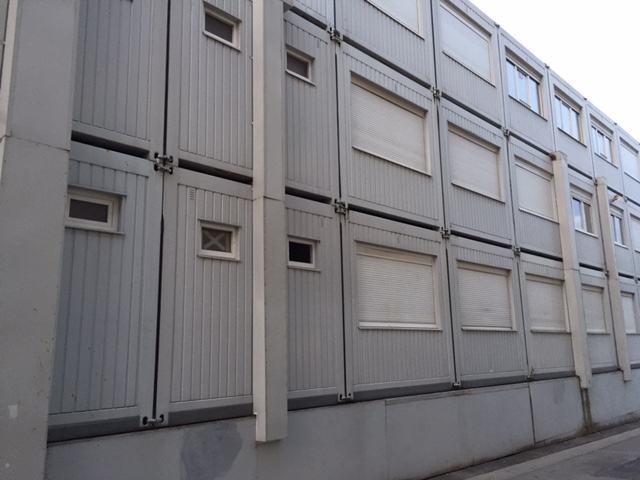
img_5354Today we saw where they are living: just beside the park in what planners in Ireland had called ‘modular’ living spaces. Containers stacked upon each other and bolted together.

Pforzheim has taken in more refugees than the whole of Ireland.

Today, as most days, Pat and I practised to ‘walk’ Pádraig across the room. Today was the first day, however, that we managed to do (a bit of) it without direct help by the therapists:)

Crisis

15 Thursday Sep 2016

Posted by ReinhardSchaler in Uncategorized

≈ Leave a comment

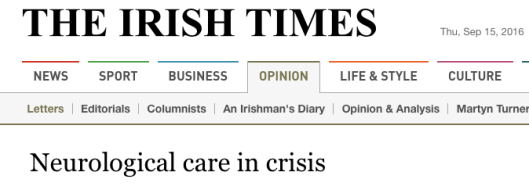
The Irish Times published two letters to the editor under the headline “Neurological Care in Crisis“. The word ‘crisis’ implies that something is changing for the worse right now, that this was a time of particular difficulty or danger – when what we are all talking about is something that has ben going on for a long time and for some reason is only entering the public domain right now. You might ask, with Supertramp: Crisis? What Crisis?

screen-shot-2016-09-15-at-20-06-59

screen-shot-2016-09-15-at-20-29-44

In about two week’s time, Ill be packing my bags (very small bags) to go on a cycle with two other old lads. I’m trying to be funny about it. But really, it’s pathetic. Most of us, including the Junior Minister in charge of Disability, agree that the An Saol Project should get funded. And we are going on a cycle. To raise €1.5m. We’ll need to cover three year’s of a pilot!

You might have heard the news today that the National Asset Management Agency (NAMA) sold, according to the Irish Comptroller and Auditor General, its Northern Irish portfolio under value and thus lost €200m to the State and the Irish tax payer. – They didn’t say who benefitted.

Looking at these news, our little miserable cycling trip sounds even more pathetic to me.

I’m still working on uploading a video clip showing Pádraig going up the stairs again today. Lots of help again. But the motivation. The effort. The direction. The focus. The satisfaction on his face. The hoorays of the people who helped him.

Hey – who would deny him, and other survivors struggling every day to get better, the help they need to win their struggle?

You?

Choosing

14 Wednesday Sep 2016

Posted by ReinhardSchaler in Uncategorized

≈ 1 Comment

It sounds bad when someone asks you ‘how did you get on just on your own’ and you say: “Actually, great!” because it almost sounds like you preferred not to have anyone else around you. But that is not true.

I spent a few days with Pádraig on my own (apart from the ‘bootcamp’ activities) and they were really, really busy. But they were really, really nice. No time to do anything else, but that was good too, in a way. It made me think of stuff I usually don’t think about…

If you live in Ireland you probably have heard or Terry Prone. If you get up early in Ireland, you’ve probably heard the ‘Living Word’, something like a ‘thought for the day’ on RTÉ Radio One. Every week, another person shares their thoughts about interesting, important, and spiritual aspects of life.

This week, Terry has been talking about different aspects of the story of the ‘good samaritan’. This morning she talked about the well known idea that, whatever happens, perspective makes all the difference. And that was the case with all the ‘good’ people passing by that injured person on the road – without getting involved. Until the samaritan chose not to pass by, but to get involved. Not because he had a different perspective on what he saw, but because he chose to have a different perspective.

images

And this was Terry’s really brilliant conclusion and message for the day (and for life): we can choose our perspective on things. We can choose whether we want to continue on our way and not get distracted by what we encounter along the way. Or we can choose to get involved because that is the right thing to do. It’s up to us.

OrdinaryDay

13 Tuesday Sep 2016

Posted by ReinhardSchaler in Uncategorized

≈ Leave a comment

What do you do about all these ordinary-day days? It’s so much easier to celebrate the extra-ordinary, the highlights, the great achievements, the out-of-the-ordinary. To do the same with an ordinary-day day is hard. Worse, it wouldn’t even come to your mind to do so.

images

Yet, these are the days that count. These are the most difficult days to get through.

Finding the strength, the determination, and the motivation for the every-day day stuff is really hard. Must be the hardest thing Pádraig ever did. For us it’s easy. We just get inspired.

Mütze

12 Monday Sep 2016

Posted by ReinhardSchaler in Uncategorized

≈ 5 Comments

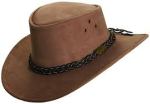
Today, Pat and I walked Pádraig across the room – with some help, advice, and support. But we did it. And we thought this was absolutely brilliant. But the best was still to come.

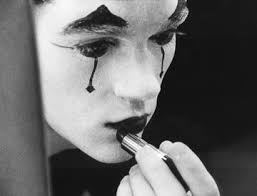
Following a session in the Lokomat and a (light) lunch, Pádraig had an hour of speech and language therapy (SLT). We thought: lets try how well Pádraig can read. That’s when the really amazing thing happened – something we had tried before, but more on a casual basis. What happened today, caused a bit of enthusiasm with the SLT. (I did point out to her that ‘a bit’ and ‘enthusiasm’ don’t really go well together.) It was an amazing first!

The way it works went like this. She showed Pádraig a card with a word on it.

screen-shot-2016-09-12-at-23-19-50

When he had read the word, he pressed the switch.

The she showed him three cards with different pictures on them. Once he had seen the cards, he pressed the switch.


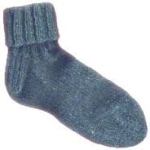
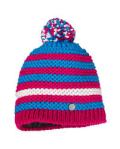
Then she showed to Pádraig one card after the other again and asked him to press the switch when he saw the picture that matched the word. I wasn’t sure whether he even knew the word ‘Mütze’. He did and when the third card with the ‘Mütze’ came up he pressed the switch.

She repeated the whole exercise with a shoe, a t-shirt, and a chair – and each time Pádraig pressed the switch to match the picture with the word.

We’ll try out some more complicated reading exercises tomorrow. Why has he never read? Imagine Pádraig flicking through web pages, FB pages, music sites… reading the news.


Wochenende

11 Sunday Sep 2016

Posted by ReinhardSchaler in Uncategorized

≈ 1 Comment

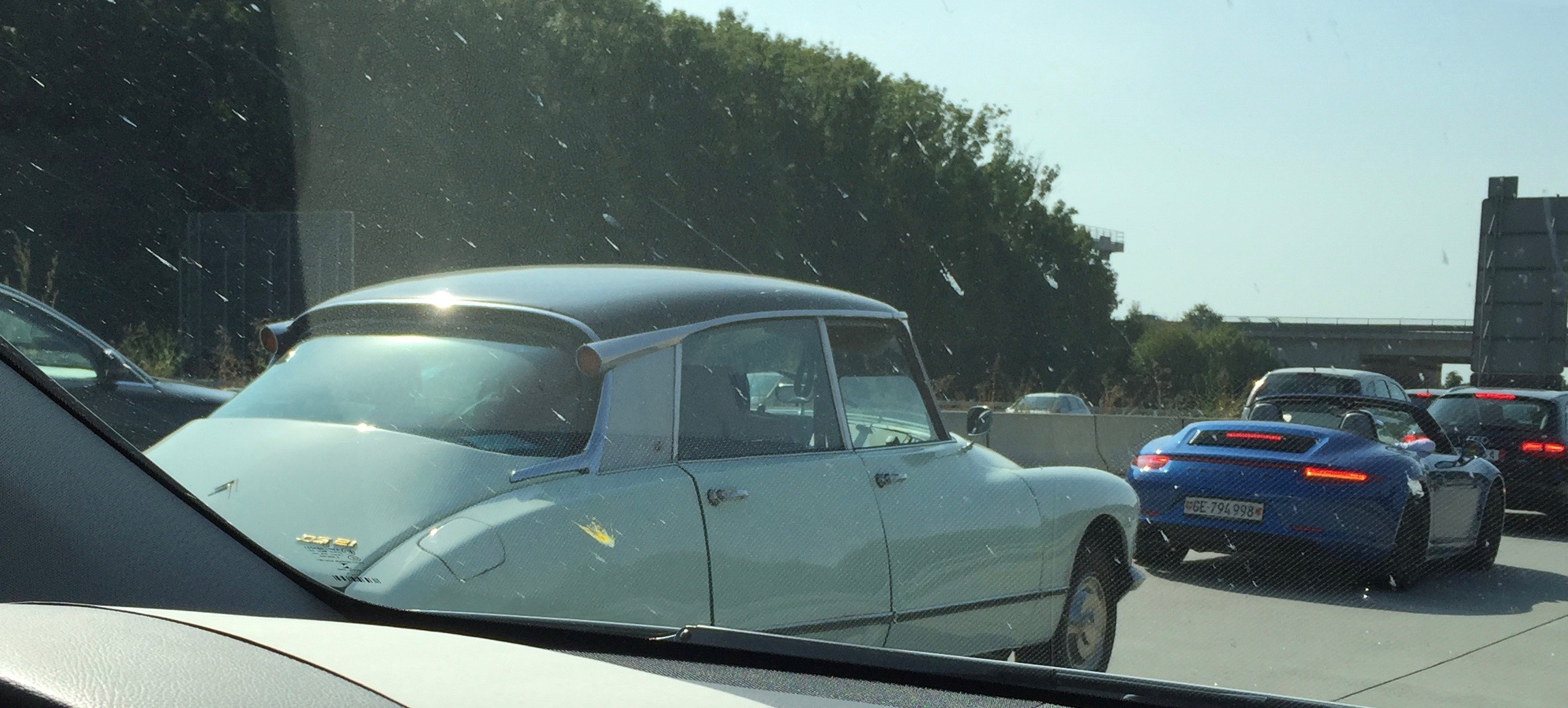
I went for a drive today to Frankfurt Airport. At the beginning, it felt like going on holidays. The weather was fantastic. There was just very light traffic. All seemed to be moving into the right direction.

Then, this car appeared on the motorway. Was it the “Mentalist”?

img_5335

Just a few minutes later, we got into another traffic jam, of Ferraris.

img_5330

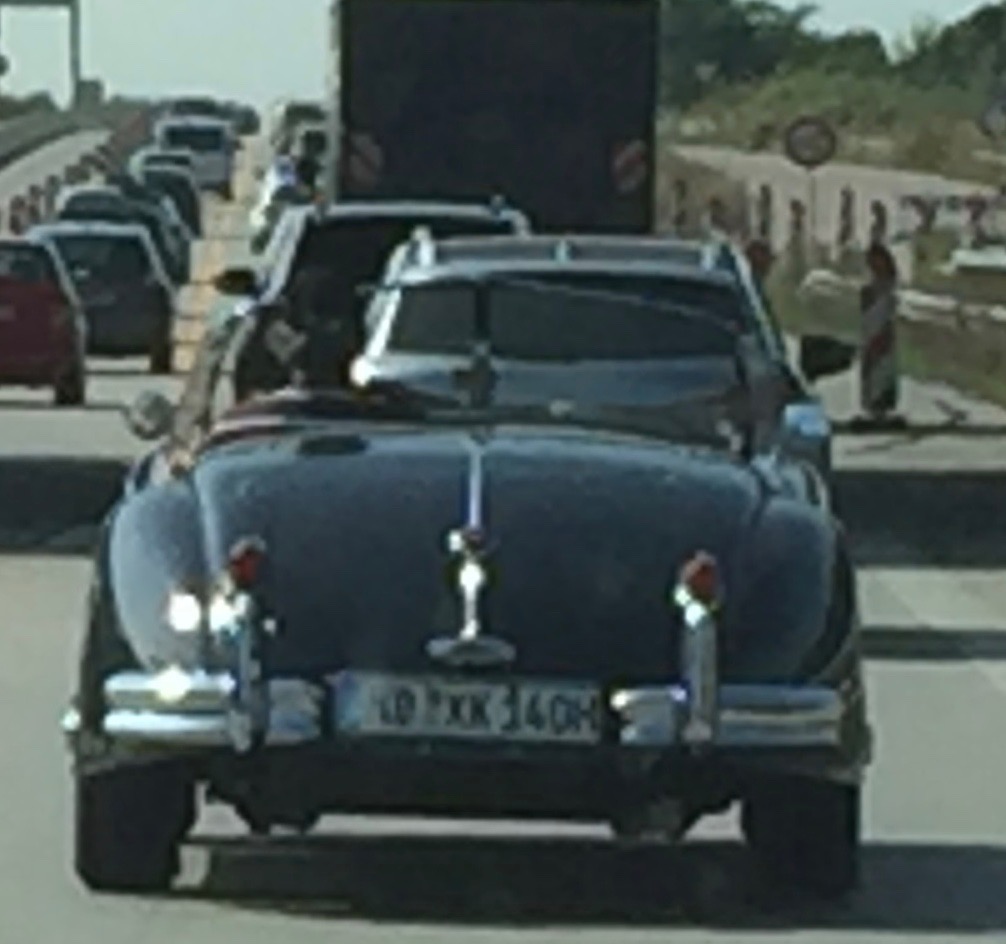
Then we saw the original Jaguar of James Bond ahead of us.

img_5336

When we got closer to Frankfurt Airport, and I saw this plane attempting to land on the opposite lane of the motorway, I realised that today was far from being a holiday-like day.

img_5334

img_5334


Back in Pforzheim, all was getting back to normal until we arrived at this Biergarten along the river Enz. It turned out that the day was going to end the way it started. Pure magic. I couldn’t believe my eyes.

img_5338-1

And my ears.

img_5337

img_5337


All in all, it was a really exciting day and a really good weekend. With plenty of visitors, great excursions, excitement, and brilliant, if somehow strange, entertainment.


King

10 Saturday Sep 2016

Posted by ReinhardSchaler in Uncategorized

≈ 1 Comment

When I lived in this really cool ‘Wohngemeinschaft’ in Cologne a few years ago (many, many years ago!) there were certain things you could not admit to. Under no circumstances. There was no grey. Just black and white.

Like not eating in a fast food restaurant.

It was ok to have changing relationships (after all, we were all free, loving people). It was ok to listen to your music really loud (after all, you were just expressing yourself). But you would never. Ever. Eat. In a fast food restaurant.

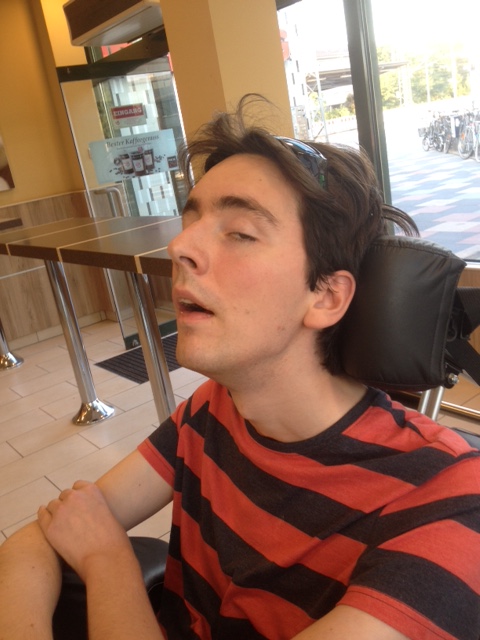
Pádraig did just that yesterday and he had a great time. Look at him.

img_1216

He poured down that smoothie in no time. No coughs. No problem whatsoever.

Then something really strange did happen. A young women came over to him and gave him 5 euro.

Imagine – you go into Burger King, buy yourself a smoothie, and someone comes over and gives you a fiver!

Pádraig is keeping the fiver for the woman in the park who is collecting plastic bottles from the bins. She’ll be happy, like he was, when she’ll receive the financial support!

TooTired

09 Friday Sep 2016

Posted by ReinhardSchaler in Uncategorized

≈ Leave a comment

Some brilliant stories tonight – unfortunately, I can’t tell them, I’m too tired. My eyes are closing by themselves and my hands press down the keys on the kyd

Tomorrow will be another day.

HSE

08 Thursday Sep 2016

Posted by ReinhardSchaler in Uncategorized

≈ 1 Comment

This one is for the experts. It’s the official reply by the HSE to questions put to them by RTÉ journalist Aishling Kenny in preparation of the pieces she prepared for Morning Ireland, broadcast on 6 and 7 August 2016.

First the questions and replies. Then some comments.


  1. Is there a programme to help people with severe acquired brain injuries?

The National Rehabilitation Hospital (NRH) provides comprehensive inpatient and outpatient services toindividuals who, as a result of an accident, illness or injury, have acquired a physical or cognitive disability and who require specialist medical rehabilitation.

The Consultant led Brain Injury Programme at NRH is backed by experience and clinical expertise spanning over 50 years.  The Brain Injury Team works together with individuals and their families / carers to achieve the best possible outcome from the Rehabilitation Programme, which is tailored to meet each patient’s individual needs.

The Interdisciplinary Team within the Brain Injury Programme provides specialised rehabilitation treatment and care, designed to assist people with Acquired Brain Injury (ABI) to:

o   Adjust to their injury;

o   Achieve the safest possible level of physical independence;

o   Participate in family life, socially and in the community

o  Individuals admitted to the Brain Injury Programme at NRH typically have sustained a complex, acquired, non-progressive neurological disability following:

o   Traumatic brain injury, brain haemorrhage, stroke and other neurological condition

o   The service offers Interdisciplinary rehabilitation to individuals ranging from:

o   Individuals who remain in the near coma state or minimally conscious state  (disorders of consciousness), and locked-in syndrome

o   Individuals with major physical and cognitive disability

o   Individuals who sustain disabling initial head injury but recover the potential to return at least in part to their pre-injury role in society

  1. Are you happy with that programme? 

The Acquired Brain Injury programme in the NRH is a specialist programme designed to met the needs of patients with moderate to severe acquired brain injury. In some cases patients with ABI have specific needs that can require them to have ongoing care at an acute hospital during their rehabiltation period, e.g. if they are for example ventilator dependant. However every effort is made to ensure that all patients who have been reviewed by the NRH team and deemed to be suitable for NRH ABI programme will have access to same. Headway operate day programmes for people with acquired brain injury which provide follow up care following discharge from NRH. Also, Acquired Brain Injury Ireland support a range of people with acquired brain injuries which increase the person’s independence in the community and provides specialisedsupport to people with Acquired brain injury residing in a number of community houses as well as transitional care in another location.

  1. How long do patients with severe acquired brain injuries wait to get treated in the NRH? 

The table below indicates the breakdown of waiting times for patients currently awaiting admission to the NRH Brain Injury Programme. Waiting times are dependant on a number of factors and reflect the complexity of need of many of these patients. These factors can include other physical comorbidities that patients need treatment for, the complexity and the length of time that patients with ABI may require in NRH depending on the progress being made The HSE is  working   with stakeholders within the  draft framework of the Neuro- Rehab Implementation plan  to develop specialist community rehabiltation teams that can support care of these patients locally and enhance discharge pathways from the NRH.

SPEC WAITING TIME
0-3months 3-6 months 6-12 months 12-24 months 24-36 months
TBI 23 7 9 9 0
NTBI 13 7 10 2 0
STROKE 21 8 3 2 1
OTHER NEUROLOGICAL 2 1 0 0 0
OTHER NON NEURO 0 0 0 0 0
TOTALS: 59 23 22 13 1
Waiting List TOTAL:         118
  1. How long does that treatment last when they eventually get in?

The target treatment time in the NRH Brain Injury Programme is 12 weeks, however each individual’s clinical needs can impact their length of stay depending on their requirements.This in turn impacts on waiting list for treatment, especially if patients become unwell during their rehab period and require acute hospitalisation.

  1. How many beds are available to treat people with severe acquired brain injuries?

56 beds (out of a total of 108 Inpatient beds at the NRH) are designated to the Brain Injury Programme  including three beds for patients with the most complex clinical needs, for example patients who are minimally conscious.

  1. Is there any homecare packages available for people with severe acquired brain injuries?

People with severe acquired brain injury present significant challenges for both the individuals and their families with many requiring lifelong high support care. The HSE’s Social Care Division, in partnership with the NRH and other agencies meeting the needs of people with acquired brain injury, are actively engaged in determining critical pathways of care and support that will best meet need their needs. It is also recognised that they frequently require highly specialist care across the acute, rehabiltation and community care setting. While every effort is made to ensure timely access to home care, the complex needs of people with acquired brain injury can require a different approach to standard homecare packages, if the appropriate standard of care and support is to be delivered in the community. Many such individuals are continuing to have their needs managed in the community on an ongoing basis; the provision of such care and support, in line with the ongoing development of the Neuro Rehab Strategy and Implementation Framework, is a priority area for further development (already highlighted in programme for Government) as highlighted above.

  1. What are they and how many hours do they include? 

Where a package of care has been provided, the number of hours is dictated by the needs of the individual. The type of care provided might include;  personal assistants with training in complex disability care, high level of nursing care needs for immobile patients, provision of specialist equipment, the ongoing provision of rehabiltation in the community to prevent the onset of complications such as limb contractures. Many  individuals  for example require high levels of assistance with all personal care and feeding.

  1. How much community based OT, physio and speech and language therapy is being provided to people with severe acquired brain injuries? 

Information in relation to type of disability is not currently collected, however, it is reasonable to project that  a significant number of individuals with acquired brain injury form part of the caseload of most clinicians relates to neurological conditions including acquired brain injury.

Ends.


The answers provided by the HSE are frightening because not only do they highlight the extend to which the (top level of the) HSE is out of touch with our daily reality and that of the people working on the frontline, but also to which extend they are ignorant of their own assessments – apart from the fact that these generalised answers do not reflect the very specific questions focusing on persons with *severe* acquired brain injury.

The following is from a Draft Model of Care document available on the HSE website:

and authored jointly by the HSE and the Royal College of Physicians in Ireland. It’s just an extract, there are many more details on “gaps” and “unmet requirements”.

There are “profound resource and delivery gaps in rehabilitation services when compared with those in other European countries”. There is an “overwhelming unmet requirement for specialist rehabilitation services particularly for people who have sustained major central nervous system injuries”. “Many community residential options for younger, severely disabled people do not meet their unique needs where continuing slow functional recovery is possible over many years after their injury.”

It makes me physically sick reading these outrageous answers and I had to stop reading them out because I didn’t want to upset those around me, including Pádraig who is with us here in Germany getting therapy – because there is virtually no physiotherapy available for Pádraig in the community. And no OT. While we are not complaining, and Pádraig has no medical issues, he had no visits by the district nurse for months. Since his discharge from the NRH he had one outpatient physio/OT appointment there that did not include any treatment, just a form-filling exercise.

All families are fundraising to cover expenses that should be covered by the HSE and the State. Because these services are not provided or not provided adequately, many young persons have bed sores, dropped feet and contracted limbs – which are all more the norm than the exception – because of a lack of adequate care.

I wonder what Derek Greene, CEO of the NRH, would say to this? Or Simon Harris, Billy Kelleher, Louise O’Reilly, Roisin Shortall, and Finian McGrath.

An Saol will be meeting with the Minister of Health, Simon Harris, on 19 September and with Fianna Fail’s spokesperson for Health, Billy Kelleher. We have met with Finian McGrath TD, Minister of State with special responsibility for Disabilities, who has expressed his support for the An Saol Pilot Project. – Acquired Brain Injury Ireland and Headway, as well as Dr Delargy, clinical lead of the NRH, have all expressed their support for the An Saol Pilot Project — precisely because so far no one has been providing the neuro rehab to sABI survivors that they need.

I am still shocked by the outrageously generalised and imprecise way the HSE answers such serious questions about those whose lives have been changed forever by a severe acquired brain injury – including that of Pádraig.

16Steps

08 Thursday Sep 2016

Posted by ReinhardSchaler in Uncategorized

≈ 2 Comments

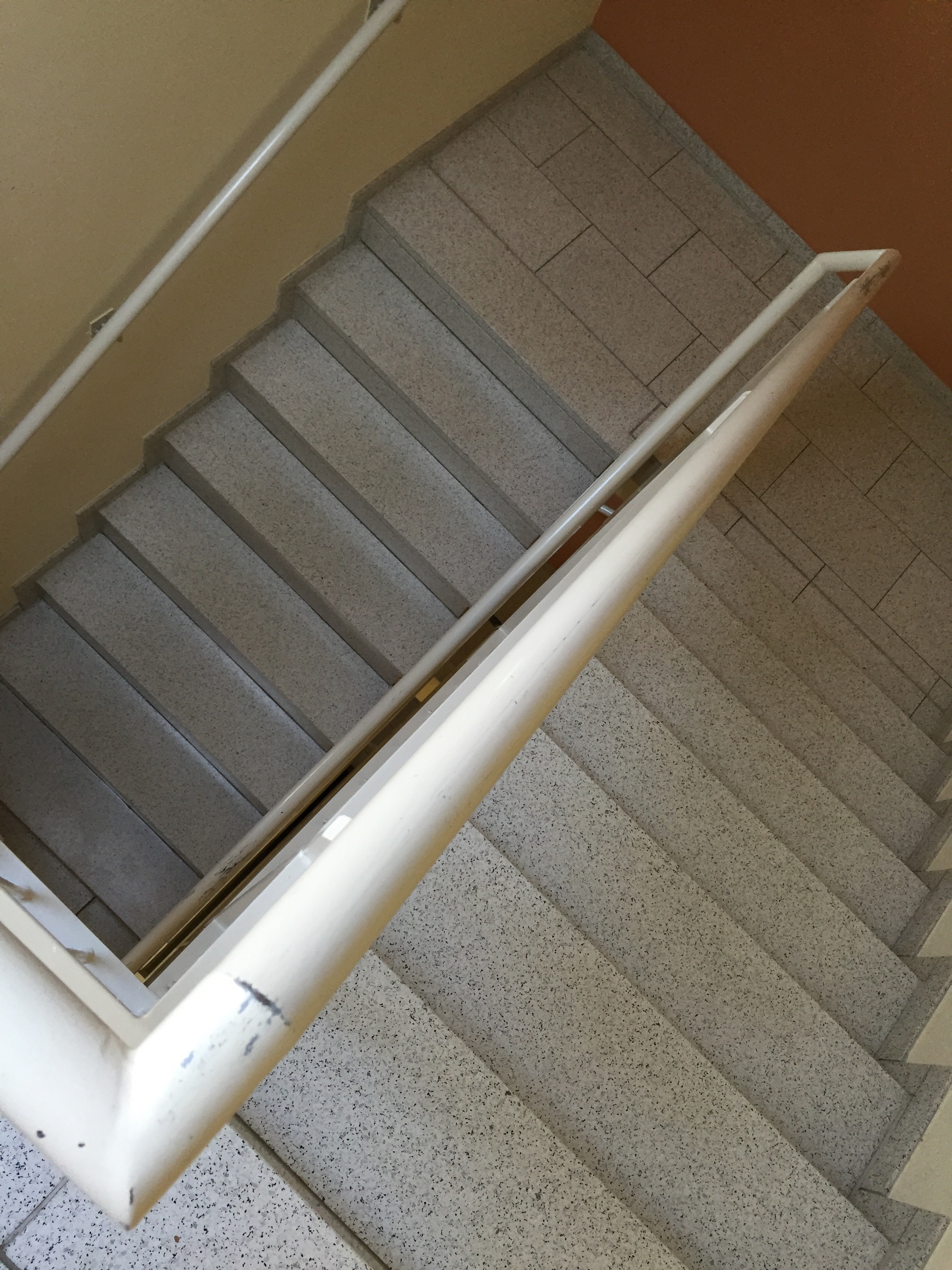
16 Steps – sounds doable. Even with a severe acquired Brain Injury.

img_5287

Actually, it didn’t to me when Pádraig’s physio announced that Pádraig was going to go up the stairs today. No ‘special’ stairs. No ‘physio’ or fake stairs. Real stairs. The one we are going up and down several times a day to go to the Bistro or to attend a therapy session. I’m no physio myself, but I’d say there are few physios around who would have dared to do this.

But we did. Pádraig did walk up the stairs. With help. But he did. And he made a huge effort to lift up his legs. It looks ‘difficult’ but it turned out to be much, much easier than any of us had imagined because Pádraig did so much of this himself.

img_5283

img_5283


To be honest, I thought I was dreaming.

Now – what’ll be next? 


← Older posts
Newer posts →

Enter your email address to follow this blog and receive notifications of new posts by email.

Join 414 other subscribers
blog awards ireland

Blog at WordPress.com.

  • Subscribe Subscribed
    • Hospi-Tales
    • Join 240 other subscribers
    • Already have a WordPress.com account? Log in now.
    • Hospi-Tales
    • Subscribe Subscribed
    • Sign up
    • Log in
    • Report this content
    • View site in Reader
    • Manage subscriptions
    • Collapse this bar
 

Loading Comments...