Tags
Advent, an-saol-foundation, art, braininjury, coffe-morning, Dublin marathon, friends-of-an-saol, nature, photography, severe-acquired-brain-imjury, travel, video
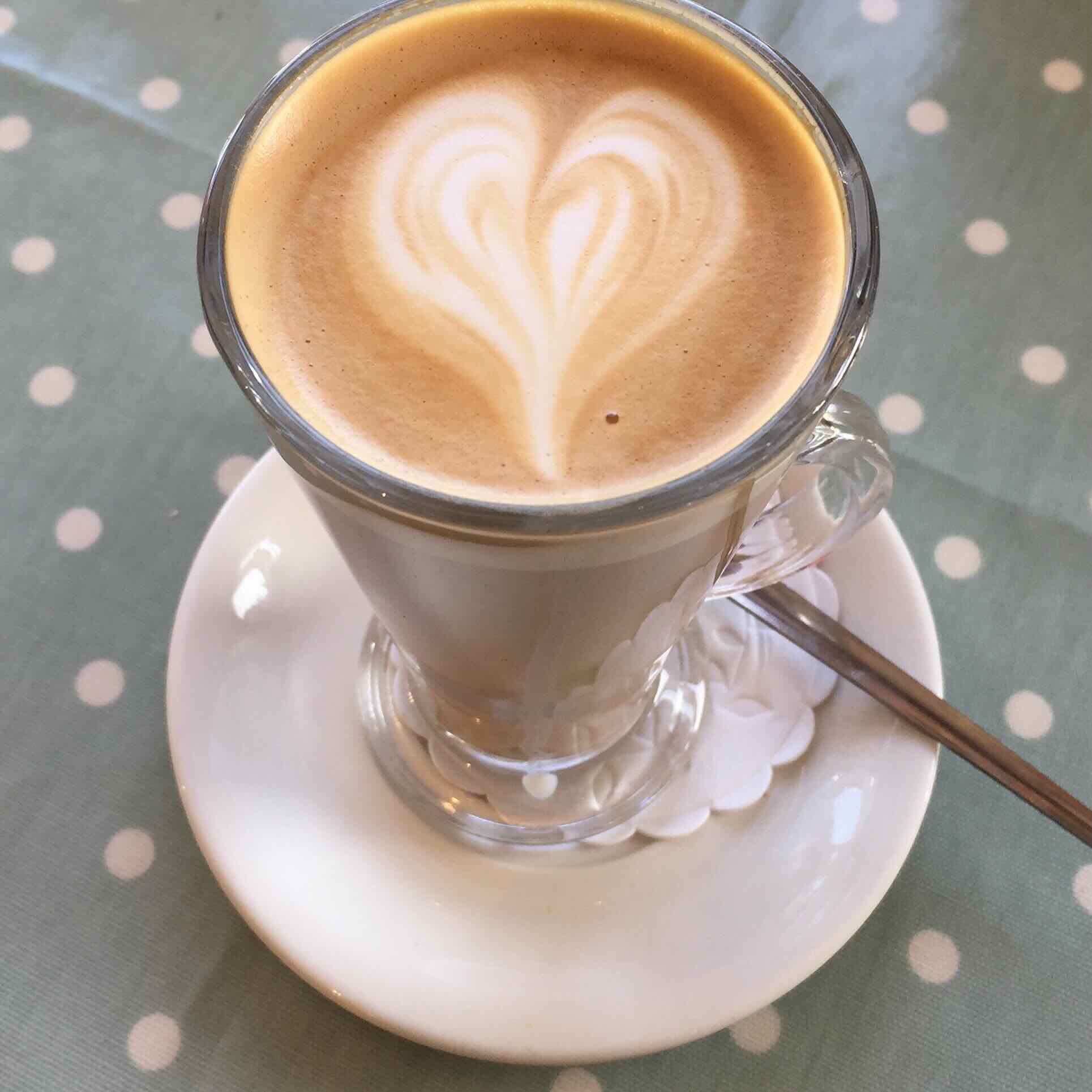
Friendship improves happiness and abates misery, by the doubling of our joy and the dividing of our grief.
Cicero
This week’s news are a little longer than usual. There is —
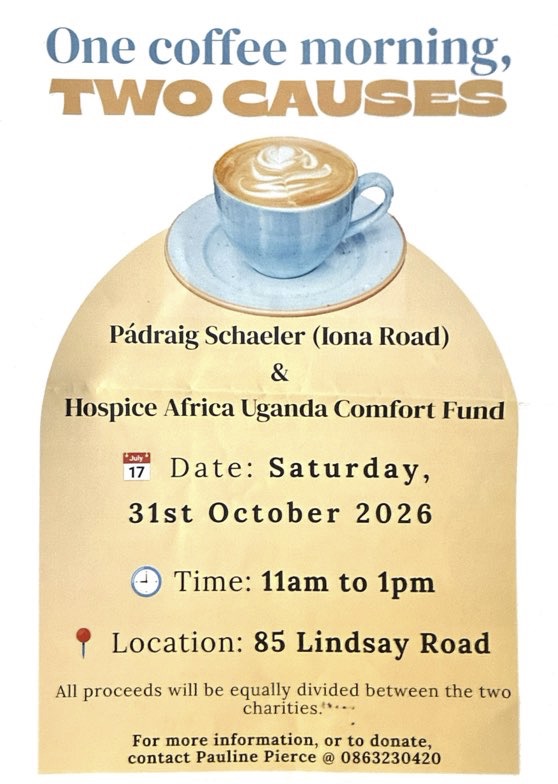
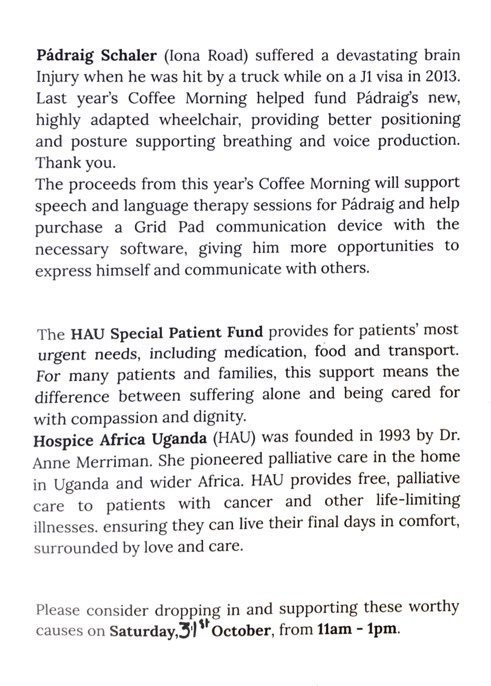
- The Coffee Morning on 31 October at 11, organised by our neighbours.
- The news about Pádraig’s impressive improvements: writing, walking, and doing squats.
- Tommy’s call for support. He will be running the Dublin Marathon raising funds for the An Saol Foundation (again).
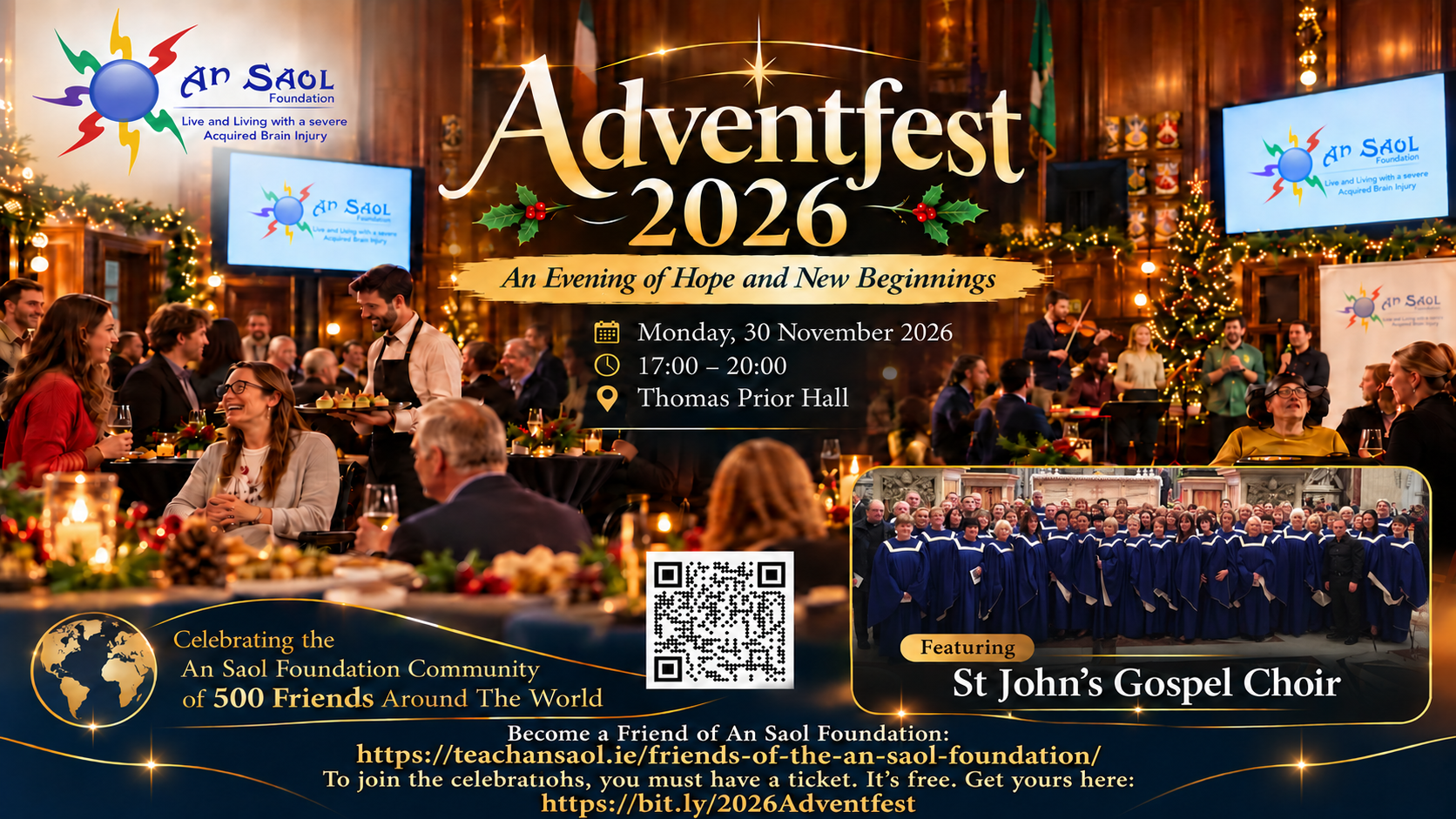
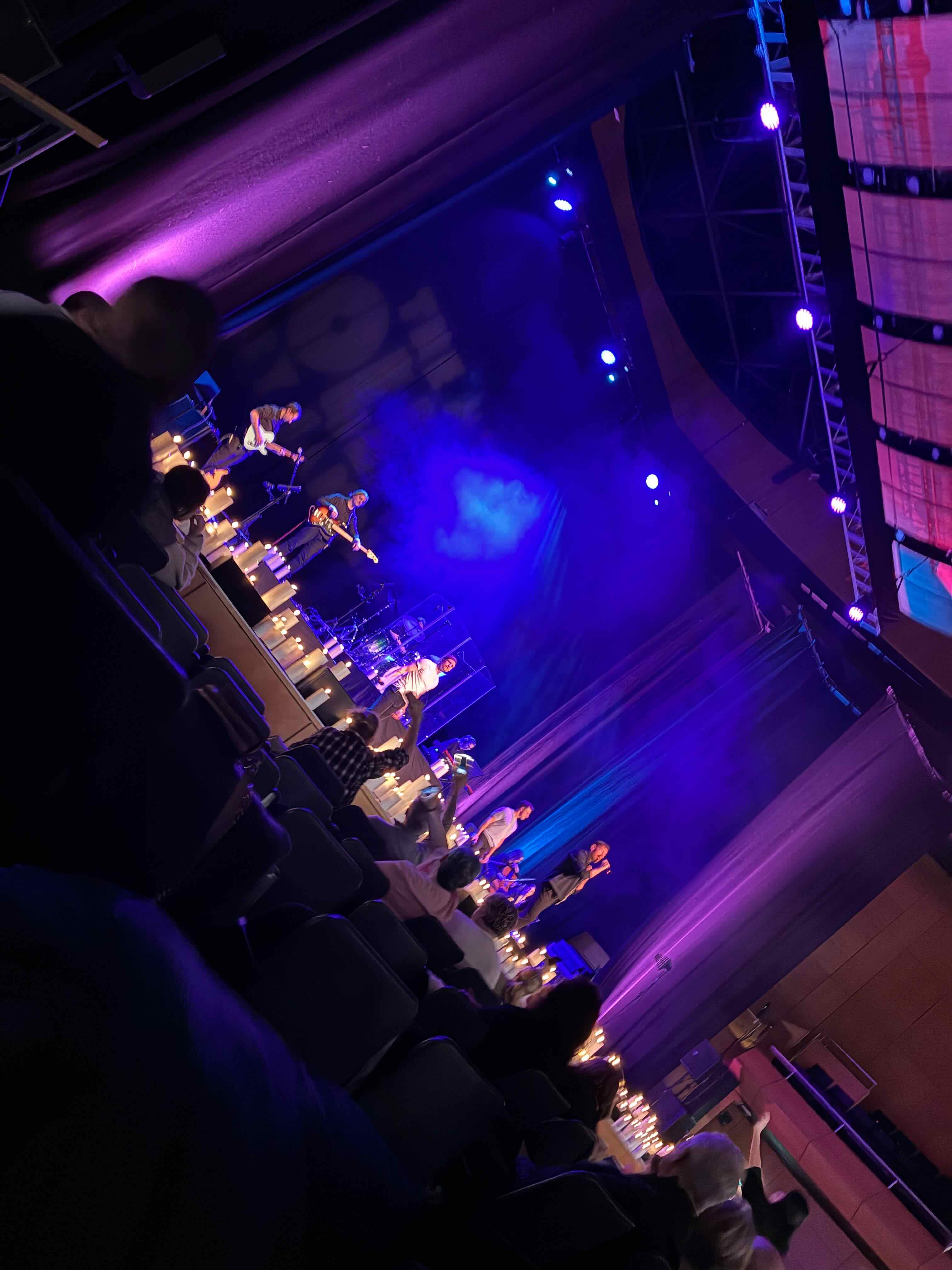
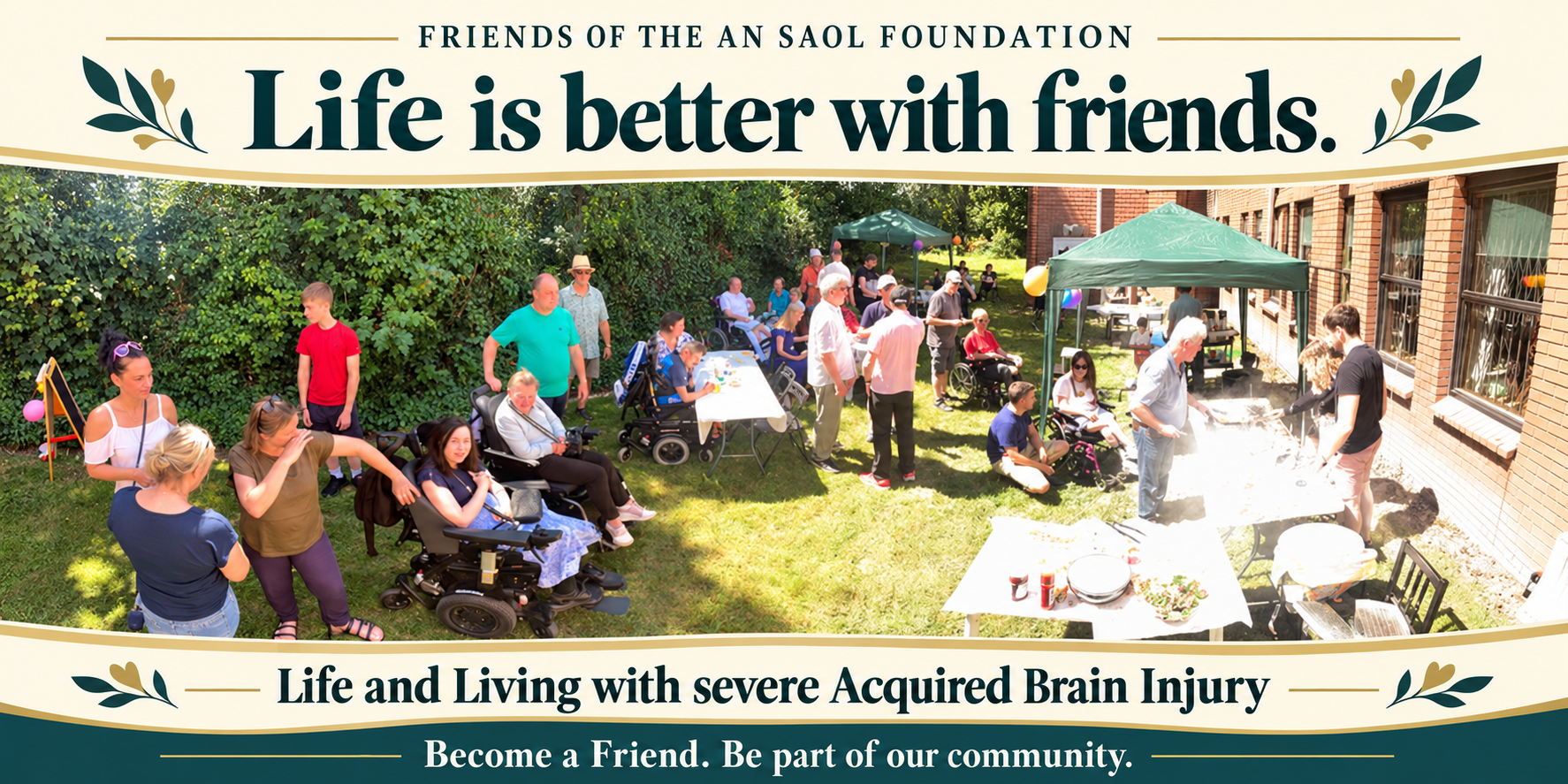
- Become a Friend of An Saol, invite 10 of your friends to join you, and get your ticket for the fabulous 2026 An Saol Foundation Adventfest TODAY. It will be an incredible evening – we will be joined by some of our Friends Around the World AND the 40 voices strong St. John’s Gospel Choir – singing in the season of Hope and New Beginnings.
Read on.
All of these events and activities are the perfect demonstration of the difference a community can make when people put their mind to it.
This is the power of us – of you!
Keep it up! Together we are creating an alternative. Improving happiness through friendship. Doubling our joy and dividing our grief.
Last Week
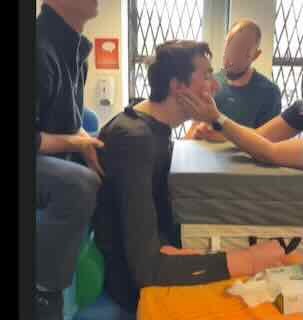
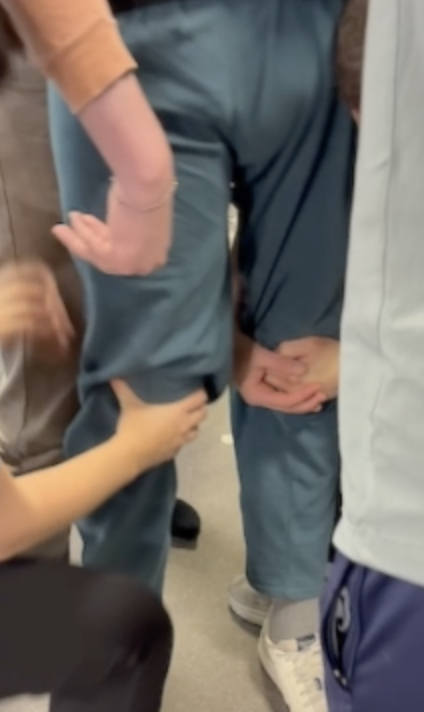
Here are some videos from last week. With the help of a specially adapted pencil and some support under his hand, Pádraig was perfectly able to write his name. He walked around 12 metres every day he attended An Saol, without any mechanical support. He did more than a dozen squats each day he used the Andago.
Writing, walking, doing squats, strengthening his thighs, buttocks and hips, and improving his balance – it seems as if Pádraig gave the door that had just opened a little a big strong kick.
A Message from Tommy
Greetings – Yes! It’s that time of year again. Despite being around enough to know better, I’m lining up for another Dublin Marathon this Sunday. Apparently, 42.2km is still my idea of a good way to spend a (possibly very wet) Sunday morning!
This year, I’m raising funds for An Saol (again), a wonderful Irish charity that supports people living with severe acquired brain injuries.
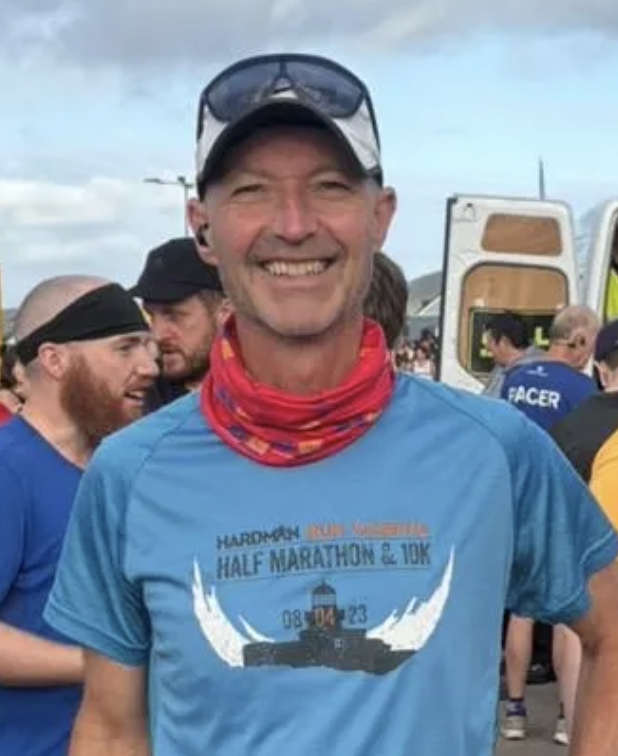
As many of you know, my son Sean sustained a severe brain injury which changed his life, and our family’s life, forever. It’s given me a very personal understanding of the enormous challenges faced by people with these injuries and their families.
An Saol does fantastic work providing ongoing rehabilitation and support, based on a simple but important belief: people with severe brain injuries deserve the opportunity to continue developing, improving and living the best possible lives.
I’m also involved with An Saol as a board member, so I’ve seen firsthand the commitment of its team and the difference their work makes.
If you’d like to sponsor my efforts, here’s the link – donate here.
I know many of you have generously supported my marathon fundraising over the years, and I really appreciate it. Hopefully, your generosity will continue to outlast my knees !
Every donation, large or small, is greatly appreciated and will support a cause very close to my heart. Feel free to share with friends and colleagues.
Many thanks again for your support- donate here.
Tommy
P.S. My ambition this year is to finish in under four hours (unless it is wet!)
Celebrate with the An Saol Foundation an
Evening of Hope and New Beginnings!
Join 500 Friends Around the World!
(And make sure you become a Friend yourself. Invite ten of your friends to join you!)
Click here to get your free Adventfest ticket today
But please only book a ticket if you are sure you will be able to attend.