Eating is not merely a material pleasure. Eating well gives a spectacular joy to life and contributes immensely to goodwill and happy companionship. It is of great importance to the morale.
Elsa Schiaparelli
It’s your turn, they said to me. Thirty eyes were looking at me in expectation and with excitement waiting for me to present my party piece. I had just learned what a party piece is and was still in awe at what my friends, sitting around in a circle in the deep Donegal Gaeltacht, had just presented. Poems, songs, a dance.
My mind went blank. I couldn’t think of my mother’s name, never mind a potential party piece.
My Gaeltacht friends were kind people. They were not going to let me sweat it out. Realising that I was in a bit of a pinch, they helped me out with the only German song they all knew because an RTÉ presenter had been playing it for a while every morning as his signature tune. Erika. It’s a catchy tune alright, tough it comes with a ‘health warning’ on youtube for a reason.
While I was really grateful for the generosity of my friends for giving me a dig out, I was also slightly embarrassed. For several reasons.
I now have a party piece. Though I haven’t had an opportunity to showcase it for a long time.
It’s not a song but the idea is the same. Getting together with family and, unfortunately these days with very few if any, friends. And contributing something.
Last week, we had a few things to remember. Eight years ago, Pádraig’s tracheostomy was removed before being discharged from hospital. We spent two weeks with him in hospital, where they had removed not just the tracheostomy but also all the monitors he had been attached to up to then. The doctors in his ‘main’ hospital had told us that even an attempt or trial removal would be too dangerous. That he could choke and die, in the worst case.
Last week, he shared the paella with us. My party piece.
One thing only I know, and that is that I know nothing.
Socrates
They should take their lead from the founder of Western philosophy and admit to know nothing.
Who?
Take your pick: investment experts giving advice on what to do with our money; employment experts telling us how to find the best job; contagious disease experts talking about COVID. Or politicians talking about anything.
If you are constantly learning, searching, wondering, you are in good company.
Being together at home for Christmas, in good company, was magic.
In 2013/14, we went to the Atlantic in Hamburg to mark the special day. One year we met Udo Lindenberg. He lives there. When he went up in the lift with us, I thought about the story Leonard Cohen told in one of his concerts about Janis Joplin joining him, by chance, in the lift of the Chelsea Hotel.
“I said to her, ‘Are you looking for someone?’ She said ‘Yes, I’m looking for Kris Kristofferson.’” It was obvious that Cohen was not the large, gruffly handsome songwriter, but he made a play anyway. “I said, ‘Little lady, you’re in luck, I am Kris Kristofferson.’ Those were generous times. Even though she knew that I was someone shorter than Kris Kristofferson, she never let on. Great generosity prevailed in those doom decades.”
Not quite the same story and company. Udo didn’t say much to us. And instead of being cool, I was slightly star struck. But good company, nonetheless.
I had googled Hamburg’s nicest walk: a stroll of us along the beach. In Hamburg, it turned out that it was an artificial strip of sand along the Elbe river, opposite one of Europe’s largest harbours – giving a German like myself that sense of the wide open, a sense most definitely not shared by my Irish family. They reminded me that no one, ever, would take a stroll along the docks of Dublin harbour. Even Udo couldn’t make up for that miserable walk, they said. Udo wasn’t to them what he was to me anyway.
In those years, Pádraig was in hospital over Christmas. No way to get him out to join us for Christmas, for all of us together. Those were days of great uncertainty. Any day could be one bringing the most tremendous fear for his life. Anything could and did happen.
Of course, anything can still happen, any day and any moment. But the immediate fear has receded and given space to the daily struggles.
This year’s highlight was trying out the Super Slicer. It cut our fingers within just minutes of each other. It does what it says on the box. Deep cuts and blood on the floor. The cuts will heal in a few days and the blood is long gone.
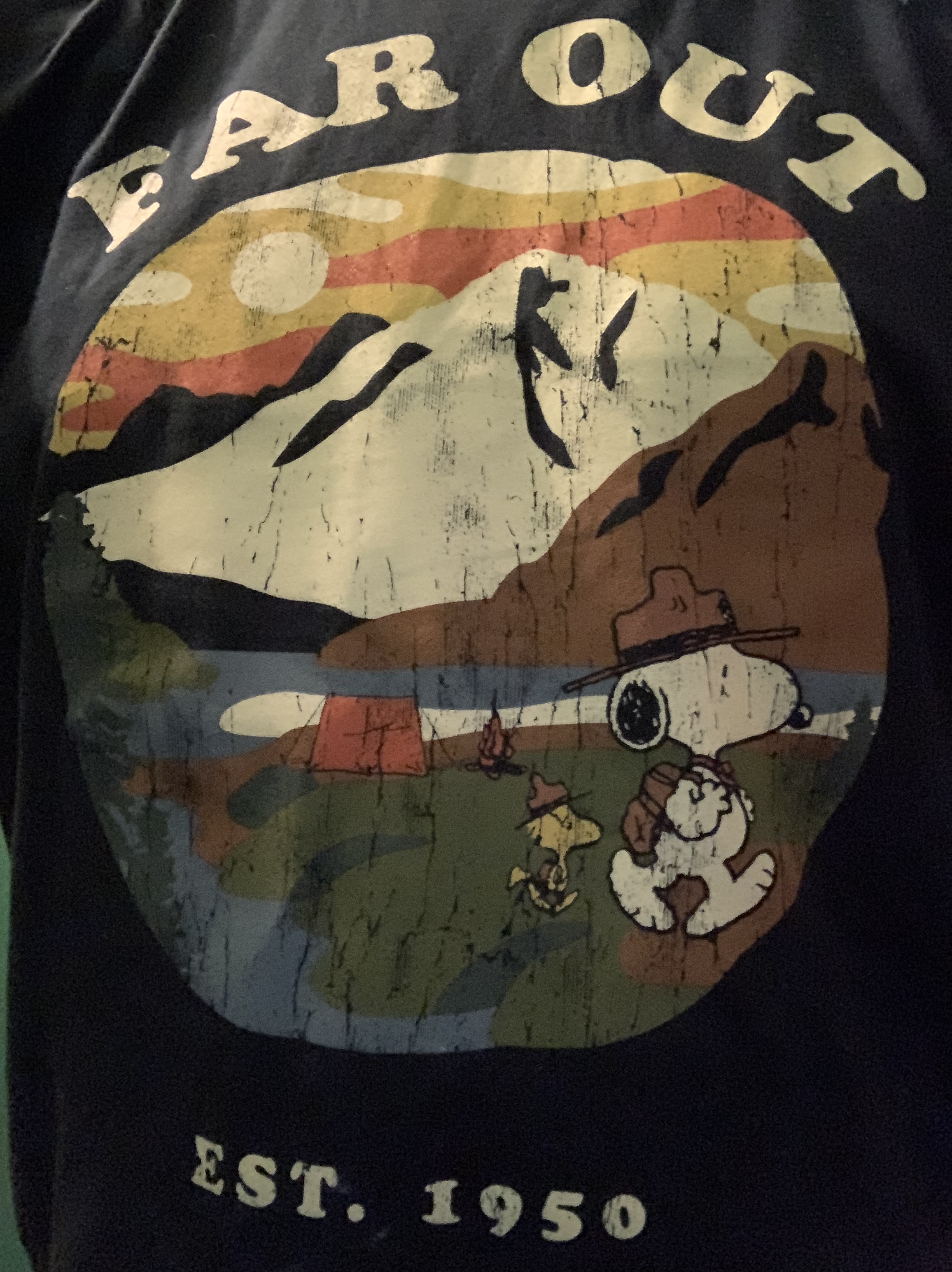
I like the Far Out t-shirt. It makes me think of Alaska 2022.
One of Pádraig’s friends told me that it took him two years to get rid of all non-essential stuff he had. My New Year resolution for this and the coming year is to try that myself.
Will I feel lighter?
I recently came across a quote by Thomas Mann (The Magic Mountain) –
“Tolerance becomes a crime when applied to evil.”
… and was thinking whether this is something to take into account, take very seriously in this new year. Become crime fighters when we see evil, even when it is passive, caused by indifference rather than actively doing harm?
I was also thinking that it often seems that it takes a tragedy to bring out the good in people.
That does not make them less devastating or traumatic. It does not make them something we’d be ever calling for. But would that mean that even tragedies have a purpose? May lead to some good?
The statement that the Word, or Λόγος, reason and knowledge, for some representing God, was at the beginning, has always meant a lot to me. It is an enormously powerful statement that expresses deep faith in the world we live in. If this world is rooted in Λόγος, it cannot be all that bad.
There is a reason to wish each other a Happy Christmas. There is a reason to be hopeful that all will turn out well, even if, at times, life seems to be everything but.
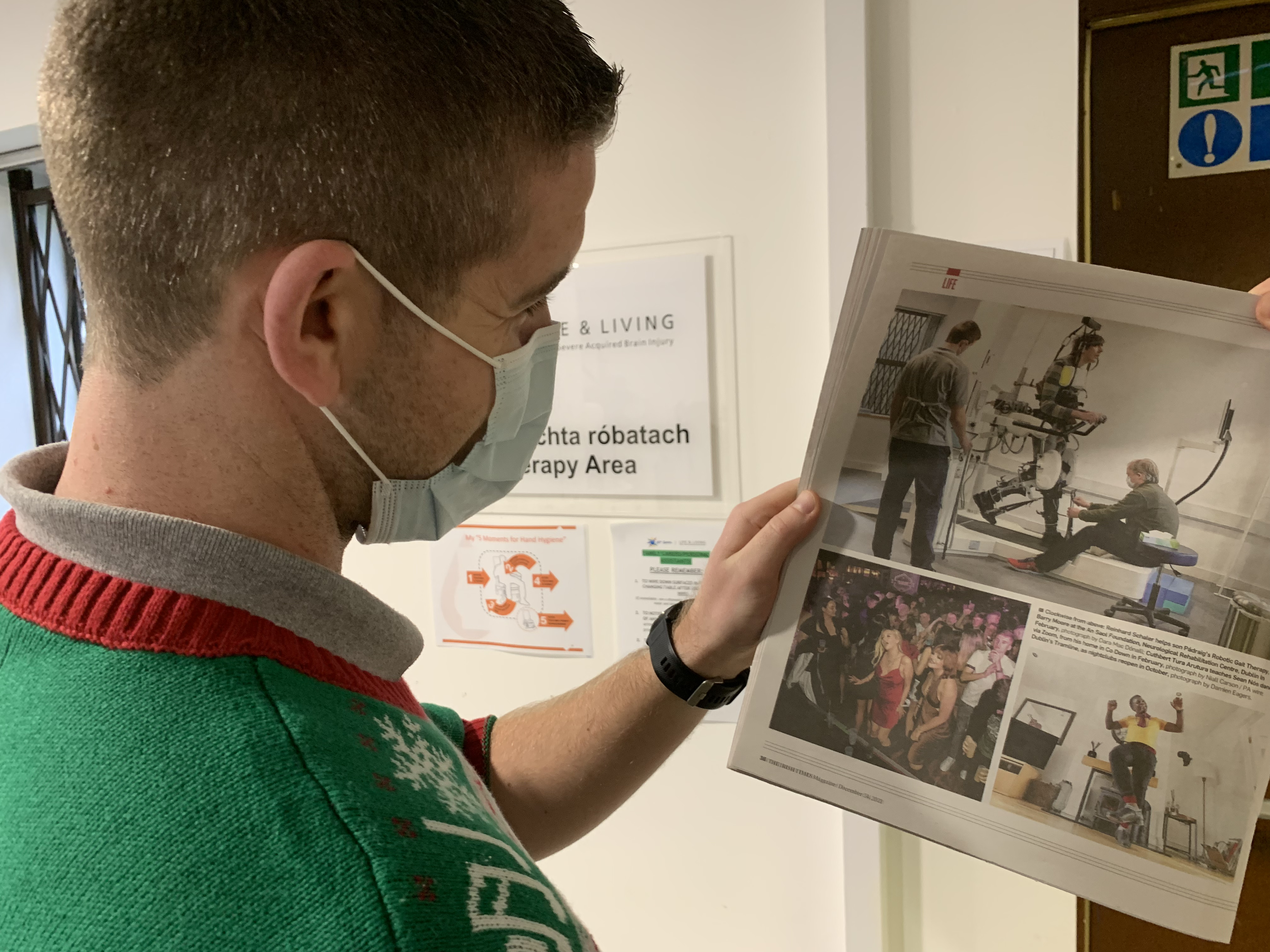
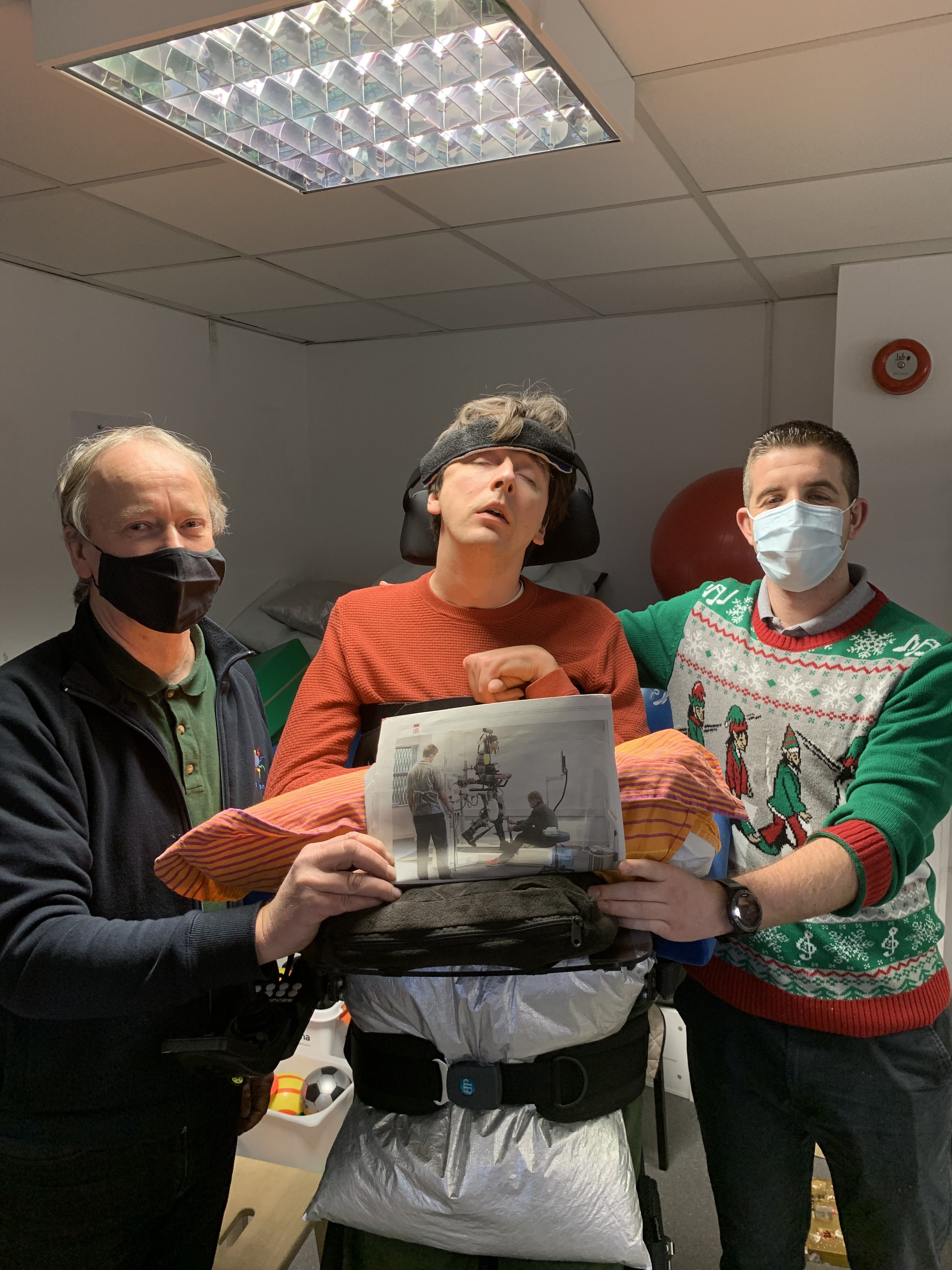
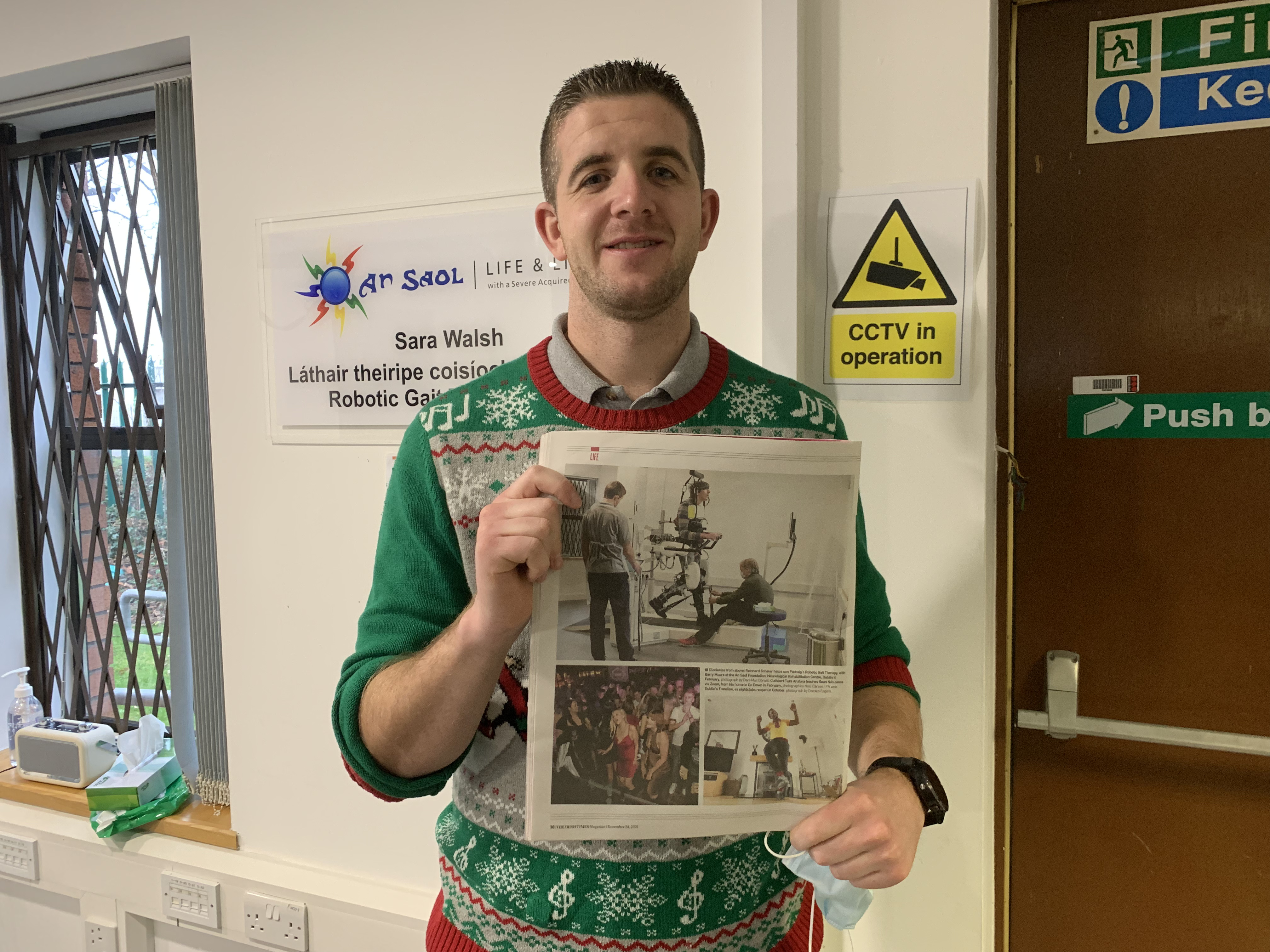
Last Friday, The Irish Times published in its Magazine The year in pictures, documenting some of the most important moments of the past twelve month.
The paper decided that one of these was the opening of An Saol and people getting access to rehabilitation that they had been deprived of up to now. They showed a picture of Pádraig, myself and Barry working with the Lokomat.
It is a brilliant picture and a great recognition of the work we have all been doing over the past twelve months.
Christmas is when it’s darkest.
It is the Word that gives us the light to find our way out of the darkness.
The ‘leaves’ of the Christmas tree are faithful because they don’t shed. They stay with us all year round.
As do the apples that used to be hung on that tree.
Traditions change. St Nikolaus becomes Santa in the red coat. The ‘fir’ tree that preserved its colour and hope for growth and warmth even over the cold and dark winter months became the Christmas tree. And the apples became shiny glass balls in all sorts of colours. The ones that resemble the original apples are nearly gone.
The traditional song ‘Ach Tannenbaum’ became one of the most recognisable carols ‘O Tannenbaum’.
Next Tuesday is going to be the Winter Solstice marking the end of the long, dark nights and the beginning of the longer, more brighter days.
The message is very similar to that of Christmas which marks a new beginning with better days to come.
I’m listening to Us and Them. For the first time in decades. After all we’re only ordinary men.
Last week, an old acquaintance rang and we talked for a while. During that conversation, he reminded me of a quote by Arthur Schopenhauer:
All truth passes through three stages. First, it is ridiculed. Second, it is violently opposed. Third, it is accepted as being self-evident.
With some luck, we passed through the first two stages. Will the truth that even a person with a very severe brain injury has a right to live a happy life become self-evident in the New Year?
Traditions change. People learn. Days will soon be getting longer.
There are brighter days to come.
PS: A good friend reminded me that 2021 was the 50th anniversary of David Bowie’s game changing album Hunky Dory.
The title song of that album was Changes. Surely, a sign of things to come.
However careful we are, and however slim the odds, a severe brain injury is something that can happen to anyone, and any family, at any time.
Pádraig, Reinhard and Pat
Well now. No Risk No Fun? Is that not a little irresponsible? Especially if we are dealing with those who already suffered a devastating brain injury?
I’ll come back to that in a minute.
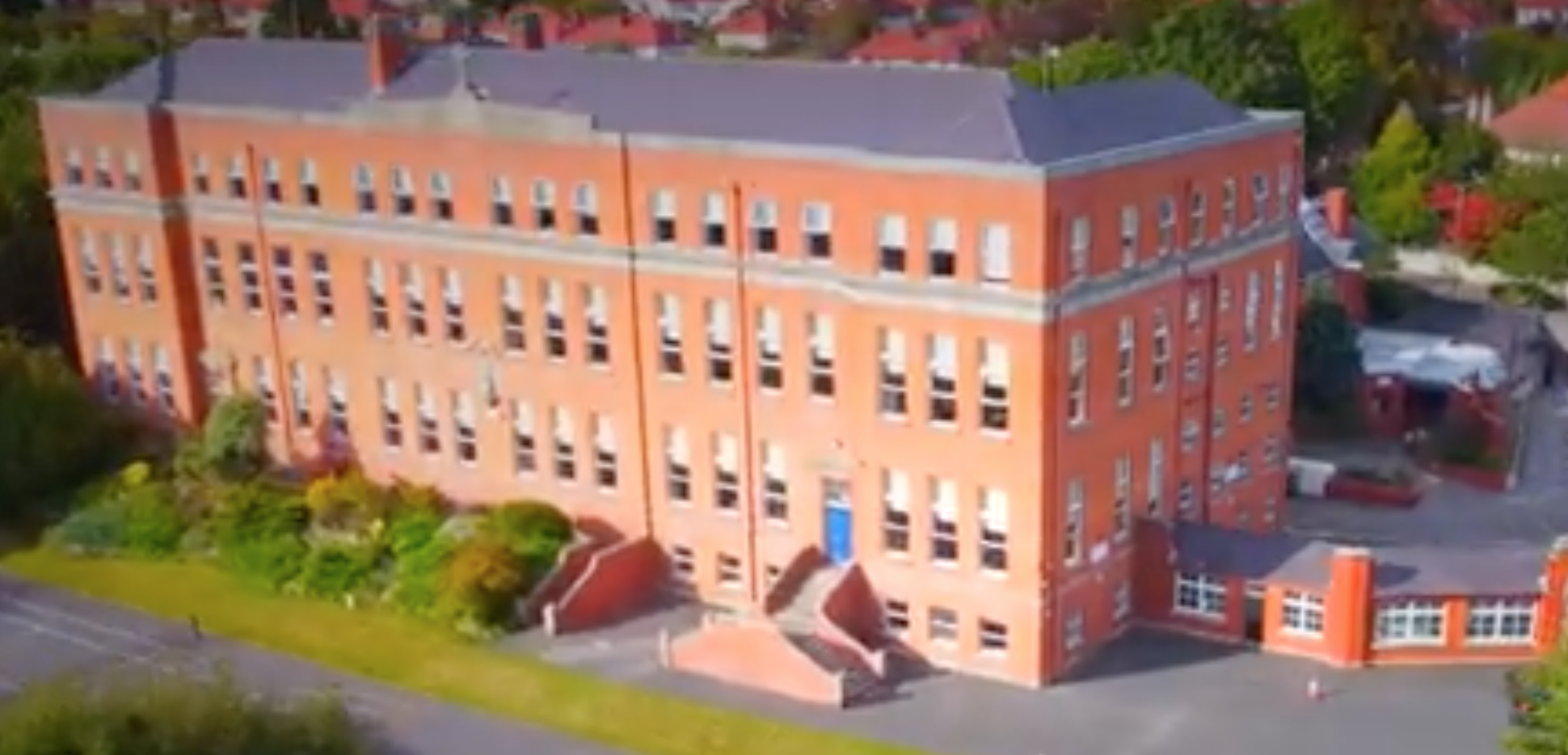
First, and on behalf of Pádraig, I want to thank the girls of St. Mary’s HFC Secondary School. Last Thursday, they had their Christmas Jumper Day and donated all proceeds to Caring for Pádraig.
What the girls have done, keeping Pádraig in their minds during this time of Advent and preparation for Christmas is extraordinary. As this is an all girls school, Pádraig never had a direct connection with the students there. For them to decide to support Pádraig so generously was extremely kind. What they contributed to his fund will help him to get the support he needs in his efforts to enjoy as much as that is possible his new life.
No Risk No Fun is the favourite mantra of one of Pádraig’s favourite (and that of many, many others) and most experienced therapists.
She’s everything but irresponsible. She just acknowledges that most of the fun things we do, have a calculated risk associated with them.
Soccer, rugby, horse riding, surfing, swimming, climbing, running, driving… the list of risk-associated fun activities is endless.
For Pádraig it is standing, and walking in the Lokomat. Yes, there is a risk. And yes, he tremendously enjoys it because, as he says, that is when he feels alive.
He has also continued to train for next year’s second edition of the Iron-Month in May, an inclusive event when more than a hundred people will complete the famous and most difficult Ironman distances over a month, according to their abilities.
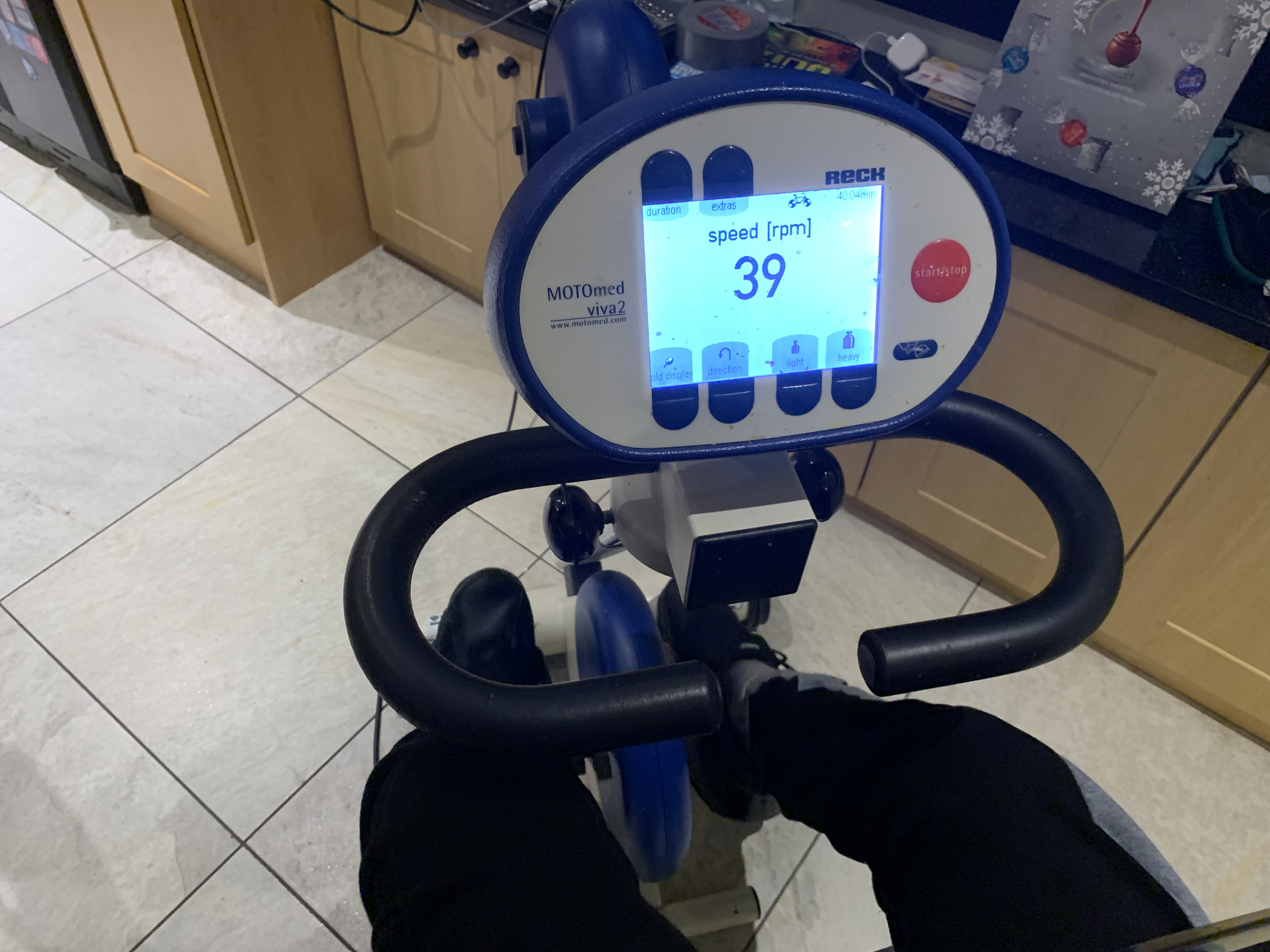
He is cycling at considerable speed, all by himself, covering a distance of nearly 5km every day.
But even if his decision to be active, to cycle, to stand and to walk, is a decision that seems somewhat too dangerous to some for whatever reason, he is entitled to take that decision in the same way that some of us take the decision to sky-dive, ski, or kite surf.
Only that in Pádraig’s case it required legislation to clarify his right to do so. The right to take decisions that do not seem necessarily ‘wise’ to others. This legislation is now six years old but it hasn’t been commenced yet. When all goes according to plan, it will be commenced in June of next year, seven years after it was approved by the Dail and signed by President Higgins.
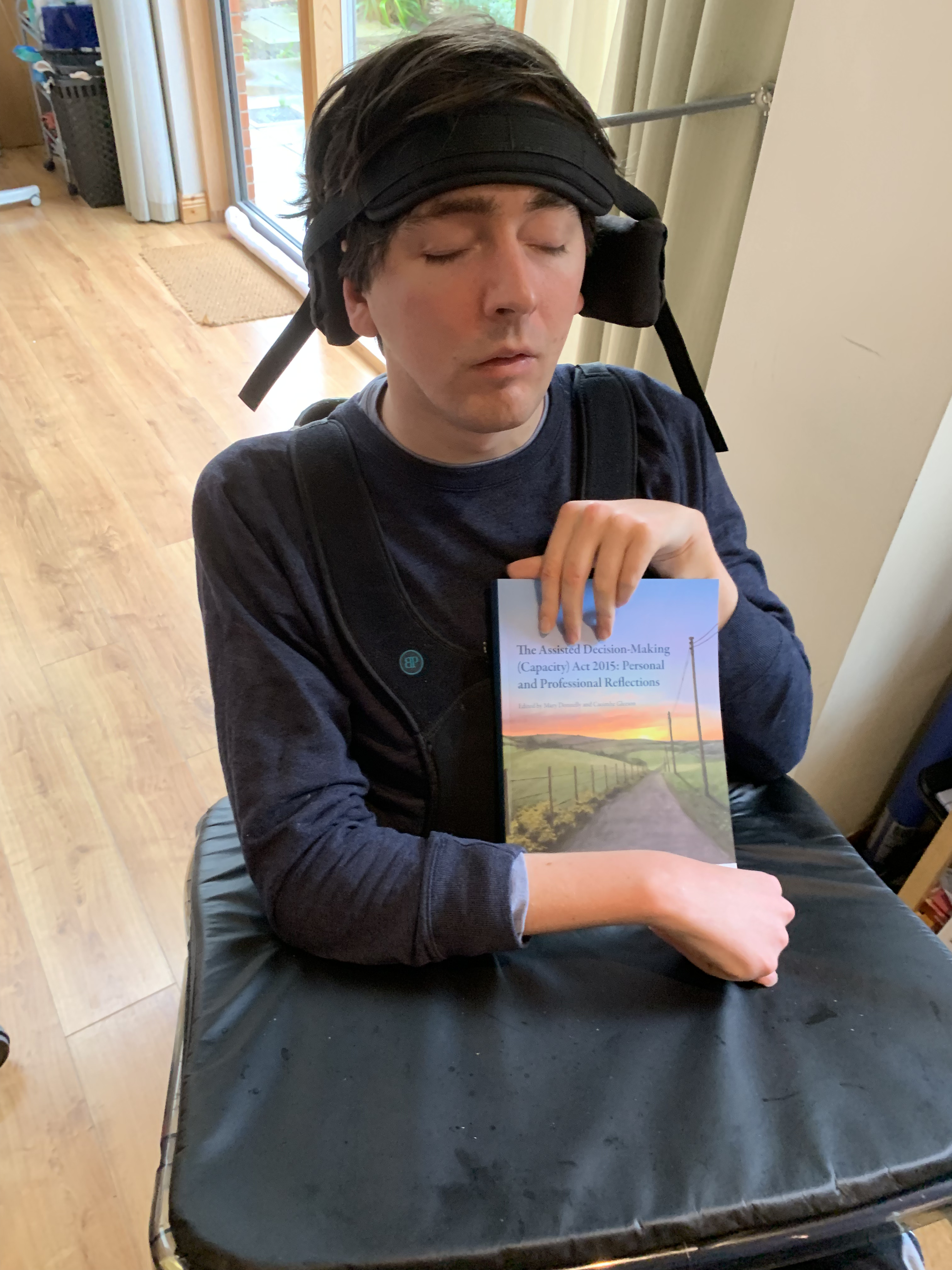
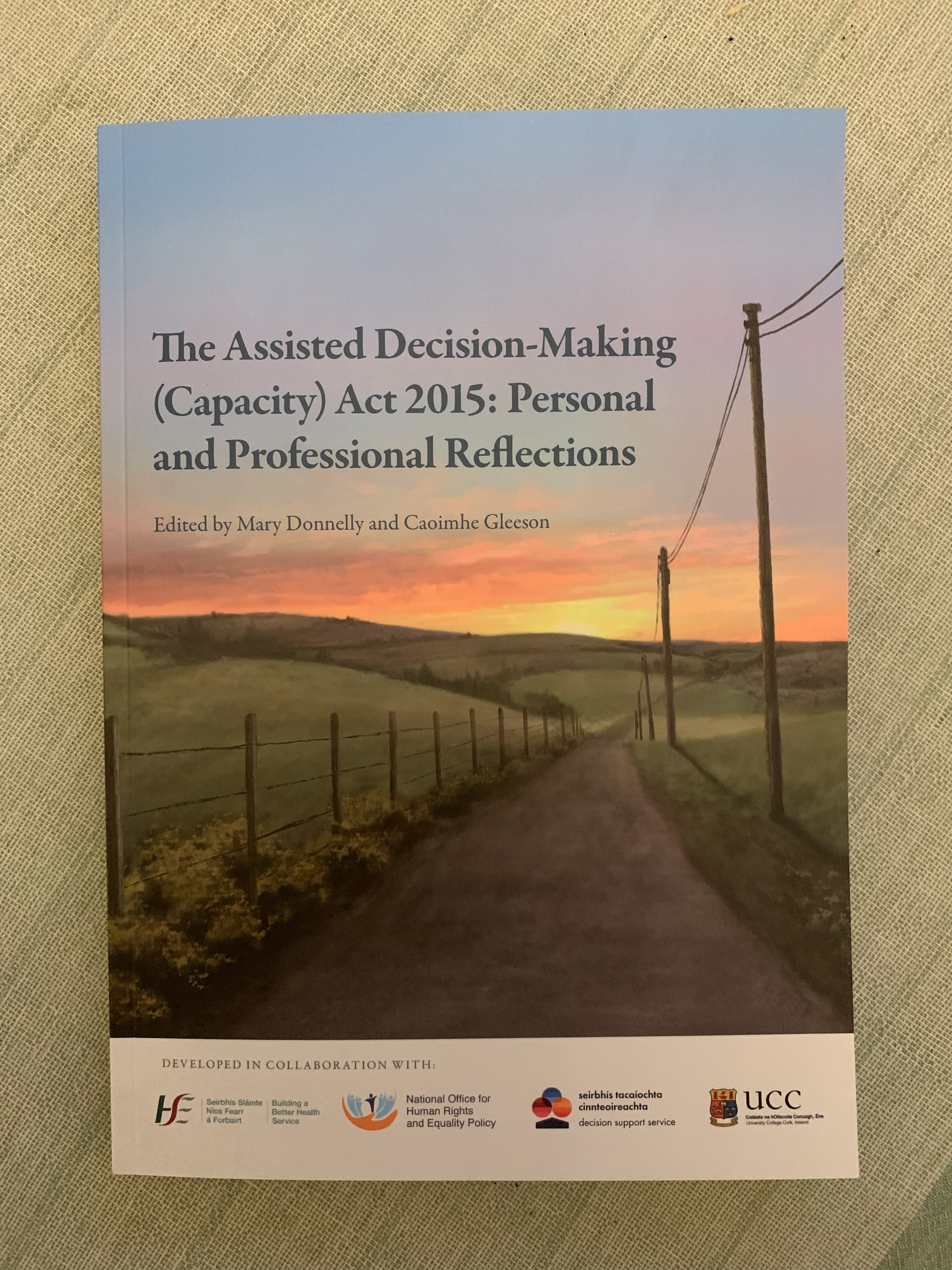
Pádraig has participated in many activities promoting the new act. Together with Pat and myself, he was invited to contribute to a book which just has been published by the HSE and can be downloaded for free here.
It is very comprehensive and nearly 300 pages long with a wide variety of contributors. It is part of the efforts by the HSE to promote the law, make it more widely known, and to educate, especially those who will have to apply it.
Here is the article —
Decision-Making, Consciousness, and Civil Rights: The Categorial Imperative for Self-Determination. A Personal Account.
Pádraig Schäler, Patricia O’Byrne and Reinhard Schäler
‘However careful we are, and however slim the odds, a severe brain injury is something that can happen to anyone, and any family, at any time.’
The consequences of a severe Acquired Brain Injury (sABI) for the injured and their family are devastating. In one second, life changes so dramatically, it becomes unrecognisable.
Until it becomes the new reality. With huge, nearly unbearable, challenges.
A sABI is a brain injury that involves a long period of unconsciousness (coma) and a prolonged disorder of consciousness (PDOC). Persons with a sABI are very highly dependent, are often non- or minimally-verbal, and require, in most cases, life-long support with basic activities of daily living (ADL) as well as life-long rehabilitation.
Those injured are generally not given much hope for the future. Their ‘treatment’ is often reduced to a basic maintenance programme, hydration, nutrition and medication, where the end always seems to lurk just around the corner.
In Ireland, any decisions for those adults with a sABI are ultimately taken by healthcare professionals and the HSE. Current law does not provide for a role for the family in any decision-making for the injured, ‘incapacitated’, person (The Assisted Decision-Making (Capacity) Act 2015 will eventually repeal the Lunacy Act of 1871 and existing case law).
PERSONAL EXPERIENCE
Pádraig, our son, then 23 years old, suffered a devastating brain injury in 2013, when he was hit by a 4.3-ton van in 2013 as he cycled to work one bright morning on Cape Cod, where he had planned to spend the summer on a J1 visa. Nobody was ever prosecuted for the accident.
On the Cape, doctors suggested organ donation to his best friend and, after our arrival, to the family. After about a week, when Pádraig was still in an artificial coma, we, his parents, were repeatedly asked whether we really wanted an ‘intolerable life’ for Pádraig as he had not been showing signs of consciousness. Back in Ireland, in Beaumont Hospital at his bedside, we were asked which nursing home Pádraig was going to go to. That was the day we reassured him that he was going to live at home. There was a waiting time of at least one year for a transfer to one of the three suitable beds in the National Rehabilitation Hospital (NRH), the only such facility in the country; even then his stay was going to be for just about three months, the time required by the NRH to assess him and plan for his future care.
Our family is Irish-German. Pádraig has dual citizenship. We decided to move with him to Germany. Pádraig had gone to the local primary Gael Scoil, Scoil Mobhí. His secondary school was Coláiste Eoin. He had studied Irish and History in Trinity College Dublin (TCD). He loved living in Ireland. Moving to Germany was not by choice. Uprooting and breaking up the family, leaving his two sisters behind was heart-breaking. But none of us saw a tolerable alternative.
In Germany, we were made legal guardians (‘Betreuer’) of Pádraig by the courts, following a lengthy process of independent medical and legal reviews and including a court hearing at his bedside. When asked, the judge explained that one important lesson from Germany’s history was that patients had to be protected. Doctors had the power to put patients into any state of reduced consciousness, the judge said. Thorough checks had to ensure that history would not repeat itself.
Our being appointed guardians by the court meant that we could now legally assist Pádraig making decisions about his medical treatment, his residence and his financial affairs.
A few years later, and back in Ireland, we learnt that this was far from common practice. The doctors in the hospital where Pádraig was assessed for a home care package told us that they would decide on his medical treatment. HSE representatives told us that agency carers would, if they felt it necessary, call an ambulance and transfer Pádraig to the A&E of the nearest hospital, without consent or consultation. We were handed a copy of the corresponding HSE guidelines. Banks would not provide us with any information on his account as this information was not requested by Pádraig himself.
When we pointed to our status as legal guardians appointed by a German court, we were told that, according to the legal advice received by the HSE, this court order had no validity in Ireland.
This is when Reinhard rang the German Embassy in Dublin to enquire about their potential reaction to Pádraig looking for protection from the Irish authorities in the extreme case of the full rigour of the Lunacy Act being applied. Thankfully, the situation never escalated to that point.
Pádraig made a significant recovery from his injuries. His tracheostomy, suprapubic catheter and artificial feeding tube (PEG) had been removed. He began to make pronounced, very clear voluntary movements. And while he was still non-verbal and completely dependent for all activities of daily life, he had come off all medication. Above all, we had established that he could hear, see, read and understand everything – in Irish, English, Spanish and German.
Most importantly, he could communicate with tongue, hand and foot movements, and by using a switch (‘bleeper’) introduced to him by an outstanding therapist in the NRH who had sourced it from the Royal Hospital for Neuro-disability, in Putney, South West London.
CIVIL RIGHTS IN ACTION
Professor Fins, in his highly acclaimed book on sABI, Rights come to Mind-Brain Injury, Ethics, and the Struggle for Consciousness, reminds us that not too long ago everybody had a right to vote, except if they were women; everybody had a right to education, except if they were black. We might add that everybody had a right to marry, except if they were a member of the LGBT community. Today’s civil rights issue, Professor Fins says, is that of the right to rehabilitation for those with a severe brain injury – for those still left behind.
There are humble beginnings – beginnings that merit the full support of lawmakers, health professionals and society as a whole. Ireland signing the United Nations Convention on the Rights of Persons with Disabilities (CRPD) is one of those, although Ireland has still not signed the Protocol to that Convention which would allow people with disabilities to make an individual complaint to the Committee. The Assisted Decision-Making (Capacity) Act 2015 (the 2015 Act), is another step in the right direction of following the Categorial Imperative for Self-Determination especially for those who, because of the gravity of their injuries, still need a substantial step to be taken by society and lawmakers Towards a New Frontier for Human Rights.
COMMON SENSE IN ACTION
In the meantime, a good portion of ingenuity, humanity and a strong dose of common sense are required to by-pass the dreadful exclusive restrictions imposed by the Lunacy Regulation (Ireland) Act 1871 – an Act that even pre-dates the foundation of the State; an Act that we agree has no place in our modern civilised society proudly promoting equality, integration, participation, equal rights, and self-determination as its core values.
After his accident, we had tried on several occasions to get a statement for Pádraig’s bank account, which he had used to manage his financial affairs – consisting mainly of regular pocket money income and some once-off gifts from his family. There was no way the bank would issue that statement without Pádraig himself requesting it – or us going through highly complicated, far-reaching proceedings. (We had always explained when in contact with the bank why we were making the call and not Pádraig himself.)
One bright summer morning, Pat and Pádraig went to the bank where his account was held, equipped with the bleeper used by Pádraig to communicate: one bleep for ‘yes’; two bleeps for ‘no’; three bleeps for ‘maybe’ or ‘I don’t know’.
Pádraig arrived at the bank with a bright smile on his face, as suggested to him by Pat, ready to let the bank clerk know with a determined bleep that he was indeed looking for his bank statement. Pat explained what Pádraig was looking for and that she interpreted for him because he was non-verbal. Pádraig continued to smile. Without further ado, the bank clerk happily complied and issued that long-awaited statement.
In a similar fashion, Pádraig has voted in several elections since his accident, from local to national to European elections. He takes his duty as a citizen very seriously.
With our assistance, he set up Cúram Phádraig Cuideachta Faoi Theorainn Ráthaíochta, employing his own carers.
Pádraig is also the man behind the An Saol Foundation CLG, which is running a three year HSE-supported pilot demonstrator project in Santry, Dublin, the An Saol Rehabilitation Day Centre. It is the first such centre in the history of the State, offering state-of-the-art day rehabilitation facilities in the community including physiotherapy, occupational therapy, speech and language therapy, robotic gait therapy, and social rehabilitation activities to those with a severe brain injury and their families, to those who up to very recently had been left behind and without a voice.
During a recent visit to the supermarket, a friendly, well-meaning assistant came up to Pádraig and Pat. She smiled at Pádraig and said, looking over to Pat, ‘He is a great little helper, isn’t he?’ Pat, although appreciating the intended kindness, was more conscious of Pádraig’s dignity and the need to protect him from pity, answered, ‘Sure, he is of no help to me at all here in the shop. But, you see, his wheelchair is great for hanging heavy shopping bags.’ She did not mention that nor was there anything ‘little’ about him at 6’7”. With that, Pádraig showed his great infectious smile, causing the lady to smile too.
Pádraig’s ability to preserve his sense of humour, to non-verbally communicate and share that humour, to spread happiness is uplifting and inspiring for all who meet him. While he is fully aware of the restrictions imposed by his devastating accident, he does not perceive his life as ‘intolerable’, contrary to the belief of some of the professionals who strongly and repeatedly suggested very far-reaching decisions should be made for him.
With the help of one of his sisters, he discovered the pleasure of connecting with his friends through regular Zoom calls adhering to the COVID-19 social distancing guidelines – on most occasions from a sunny spot in the back garden.
THE CATEG ORIAL IMPERATIVE
In addition to the physical injury, deep trauma affects the injured themselves and those close to them. Its impact is rarely acknowledged, never mind addressed appropriately. Its significant effects on their mental health cannot be overstated, often bringing with it family breakdown, economic hardship and worse.
Life with a severe brain injury is incredibly hard, for those directly affected and for their families. It is possibly even harder if that brain injury happens to a young adult with their life and dreams ahead of them: dreams of finding love, a partner and, perhaps, establishing a family.
Those with a sABI not only deserve every help we can give them to realise their ability to the fullest, they have a right to receive that support.
Above all, the voiceless have to be given a voice and with it the power to inspire, drive and define developments that will make equality and self-determination real for them.
Decision-Making, Consciousness, and Civil Rights are connected by the Categorical Imperative for Self-Determination. The 2015 Act is a long overdue step to the realisation of the right of self-determination.
Pádraig, Pat and Reinhard, for one, are very clear that there will be ‘No Decision about Pádraig without Pádraig’.
This is chapter 1.3 from the recently published book, The Assisted Decision-Making (Capacity) Act 2015: Personal and Professional Reflections, edited by Mary Donnelly and Caoimhe Gleeson, published by the HSE, The National Office for Human Rights and Equality, and the Policy Division Support Service, under a Creative Commons License. You can download the book here.
The book is dedicated to everyone who has advocated for changes in legislation in this area, especially those who are no longer with us.
Being tall and having long legs is all fun & games, until you get into a small car.
Anonymous
Pádraig had to learn the hard way following his accident that there are more serious issues than getting into a small car when you are very tall.
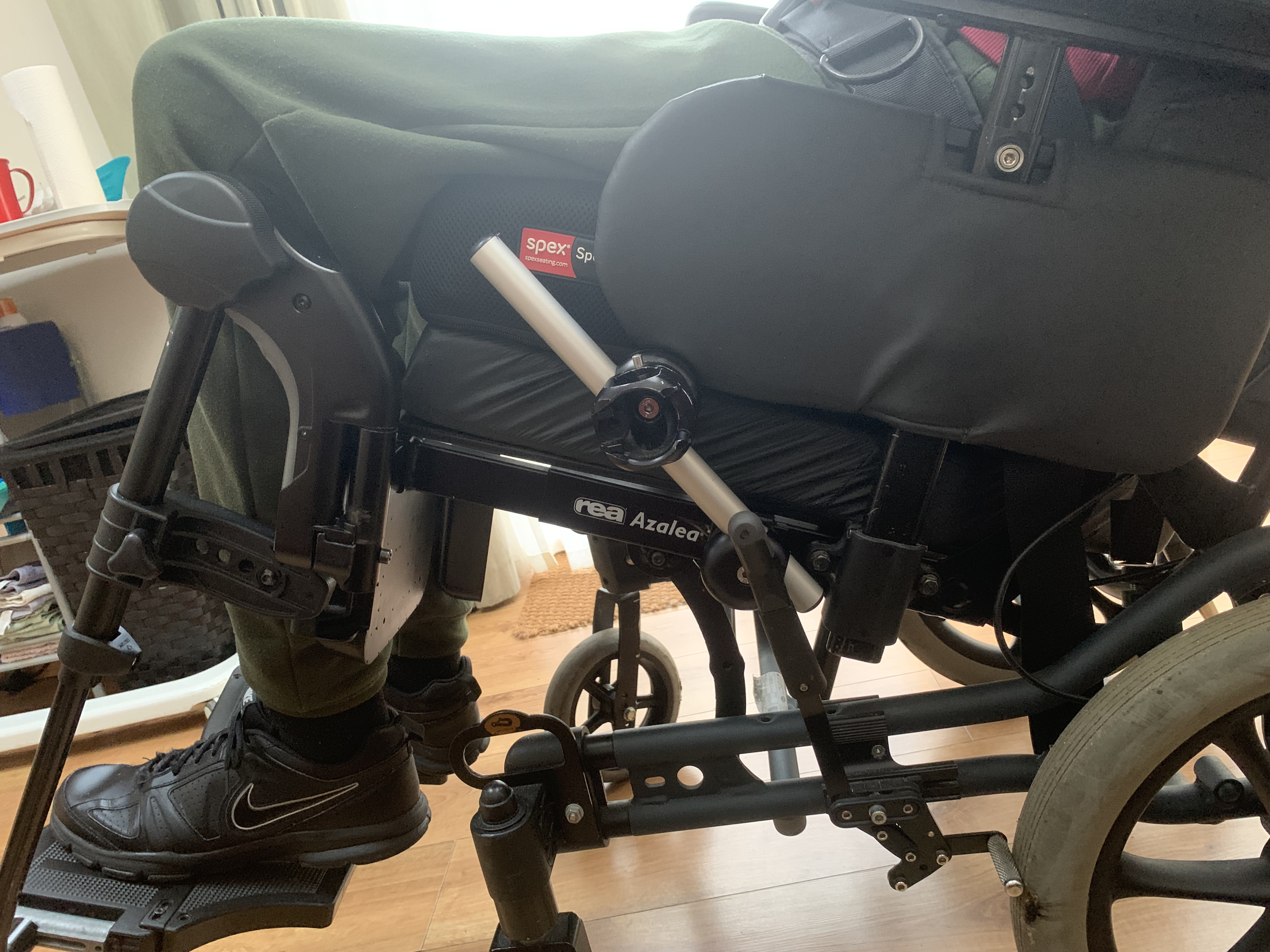
It is next to impossible to get a wheelchair for really tall people. Wheelchair engineers try their best with workarounds. Although, workarounds is not what you need for a chair you spent a lot of time in. For example, inserting an extra seating block to indirectly give more height for the footrests is ok for that purpose, but it also brings up the tipping point of the chair. The stability of the chair is not something you really want to play around with.
Orthopaedic issues also become more common and complicated if your long legs and arms provide more leverage for unwanted forces. We were reminded of the very serious problem Pádraig had in late 2019, when he could barely sleep because some involuntary movements of his left leg managed to push his femur out of his hip. When we brought him to our hospital’s A&E Department in January of 2020, they gave him an x-ray and referred him to an orthopaedic consultant. Many months later, Pádraig got an appointment for December of 2021 – an appointment that was just re-scheduled to April of next year, 2022. Had he not gone to Germany last summer to get this issue seen to, he would still be in agony – until April 2022 at least.
If you don’t understand how this is possible and allowed to happen: more than two years to get an appointment to see an orthopaedic consultant (or someone on his team) when you are in such acute pain that you cannot sleep, I am with you all the way.
This is beyond comprehension. There is no way that they even have the faintest about what they are doing, or rather not doing, to those who urgently and immediately need their help.
In good news.
Yesterday, Pádraig said, and not for the first time in the recent past, that he does not have any persistent pain and that he is in good spirits.
What is relatively new is that when we asked him what is the one thing that he misses most now is: not being able to stand by himself. Communication is also important, but he has made progress on that front. It’s standing tall that he misses most. Because, as he said : “When I stand, I feel alive.”
It could, of course, also be that he finds it hard to sit in a wheelchair that was obviously built for a smaller person than himself. We didn’t ask him.
Here is another quote about standing tall:
Stand for what is right. Even if it means standing alone. – Suzy Kassem
Eventually, one day, every valley shall be raised up, every mountain and hill made low; the rough ground shall become level, the rugged places a plain.
A very happy, peaceful and hopeful second Sunday of Advent.
But now I’m not so sure I believe in beginnings and endings.
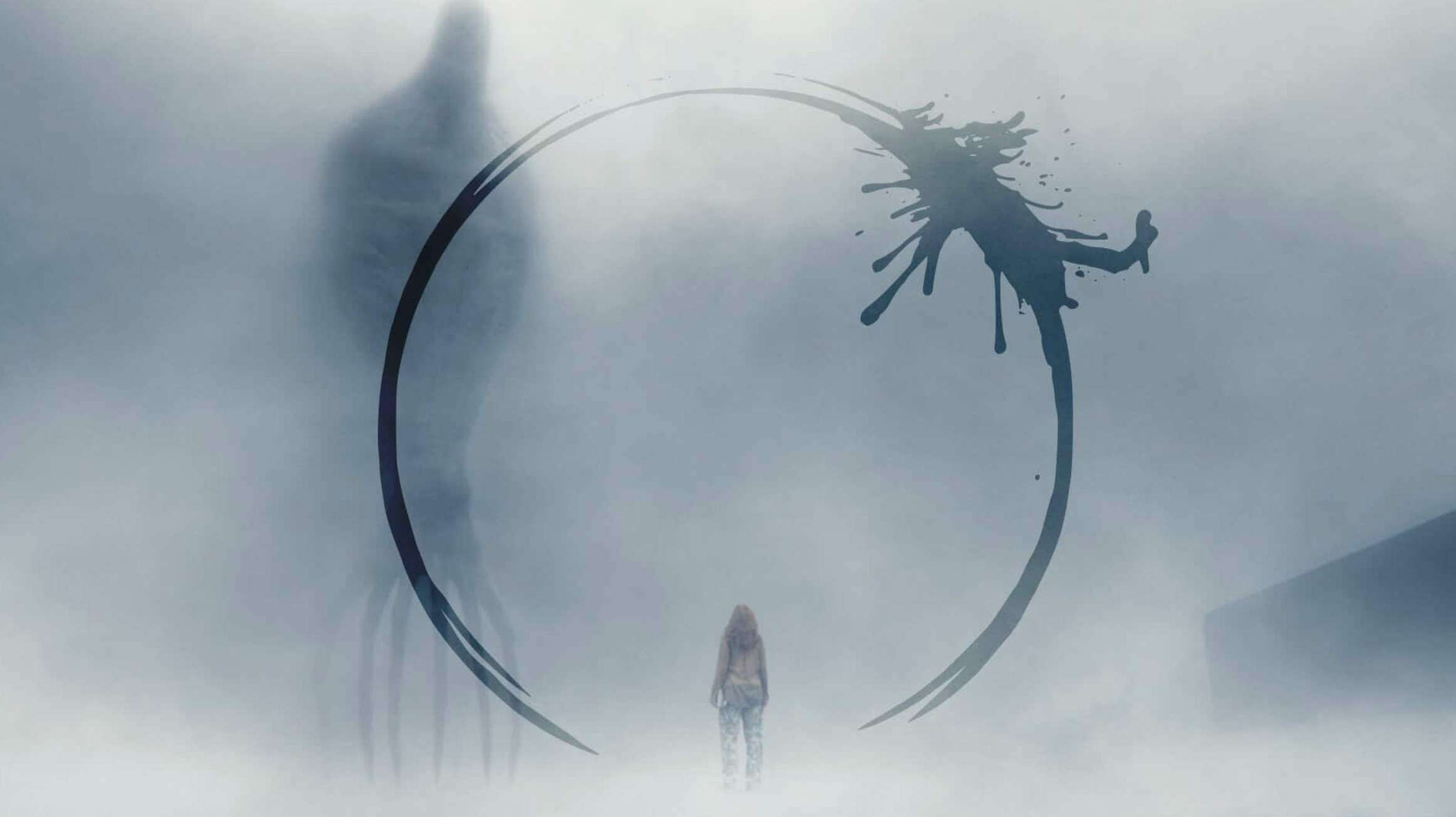
Dr Louise Banks in Arrival
Some say, Arrival is about self-discovery and the importance of love. Like many good stories, this one, Arrival, is different for different people. Much depends on where you’re coming from, your perspective.
For me, the movie is much more. It is about the discovery of a whole different, new perspective. Of time. Not linear as we know it. But circular. About the possibility that there mightn’t be a beginning nor an end.
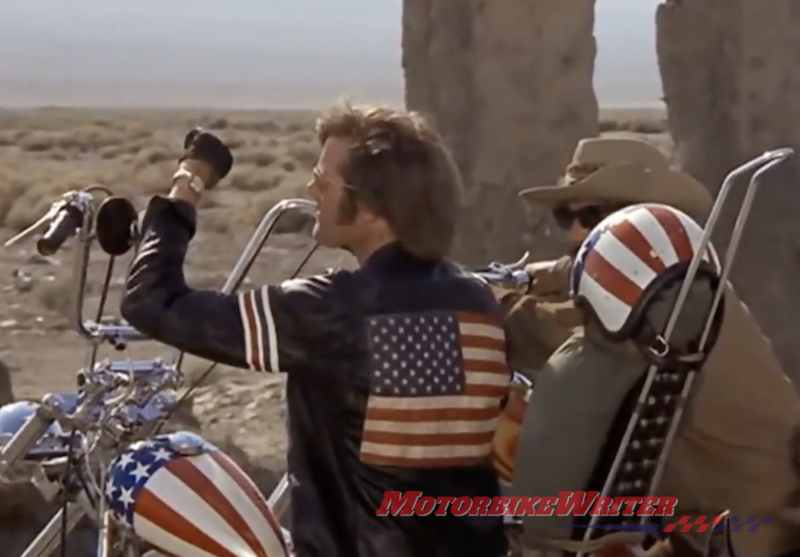
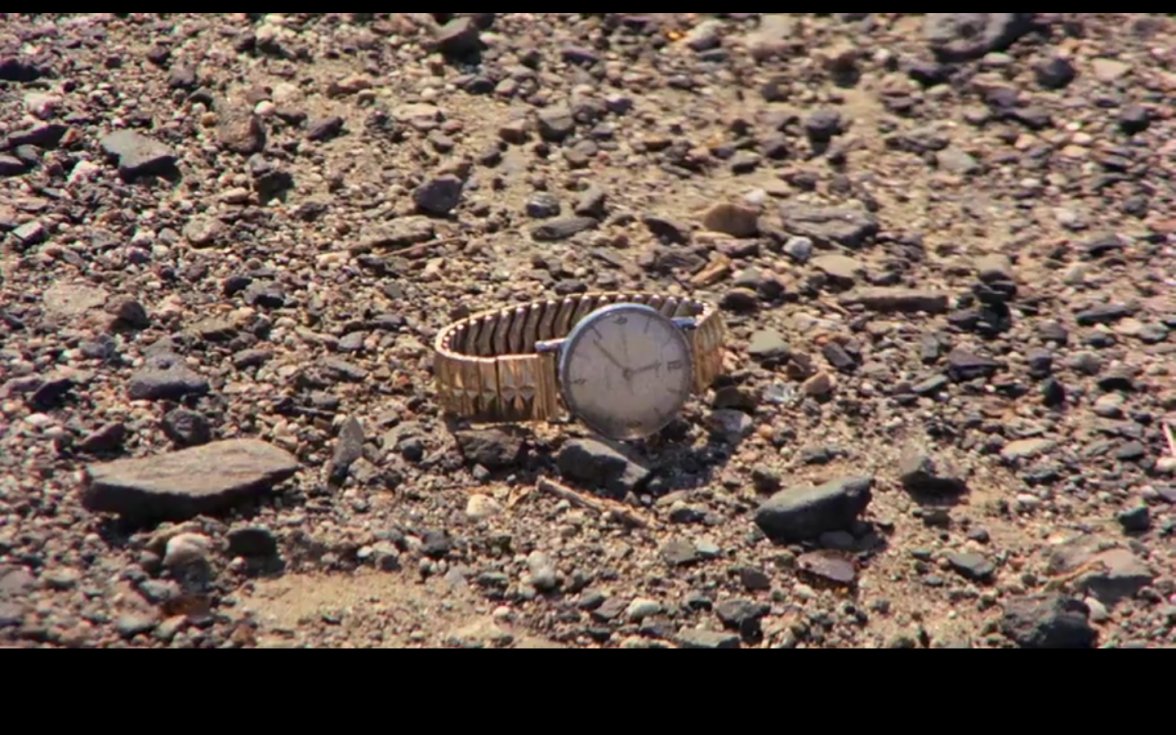
If that was true, we should, like Peter Fonda with his Timex at the beginning of Easy Rider, throw away our watches. Measured linear time doesn’t matter. We’re not prisoners of materialism, schedules of traditional life and its time, we’re free of all those constraints, we’re not living in Little Boxes, we’re free spirits, Born to be Wild, agents of our destiny, when we’re On the Road, moving, travelling, living our dreams. There is no beginning and no end.
The only people for me are the mad ones, the ones who are mad to live, mad to talk, mad to be saved, desirous of everything at the same time, the ones who never yawn or say a commonplace thing, but burn, burn, burn like fabulous yellow roman candles exploding like spiders across the stars and in the middle you see the blue centerlight pop and everybody goes “Awww!”
Advent comes around every year. The time when Christians prepare for the coming of Christ the Saviour. Every year. There is no beginning and no end.
Every year the hope is that the new year will be a better one. And there is always a ‘new’ year, every year. Light always follows dark.
What does that mean for our plans? Plans don’t work in circles. Will dreams only come true in a linear future, not somewhere in that circle?
Ryan Tubridy said on Friday’s Late Late Toy Show that one cannot understand the Show unless you’re Irish or have been living in Ireland for some time. I don’t agree. What about people who don’t think that the promotion of an abundance of (more or less) throw-away toys and show performances by kids dressed and acting like adults, with the occasional awe-inspiring pop or sports star thrown in is fun? Never mind appropriate when beginning to prepare for Christmas?
We watched the Show with Pádraig yesterday and made a bit of an event of it. It was nice to sit together with nice food, around an open fire. What was going on in that Studio we watched on our screen felt like as if it was happening on a different planet.
Do I sound old saying that for me, Advent, “Coming” or Arrival, is a spiritual, not a commercial time of the year?
What I felt yesterday was the incredible privilege of being in each other’s company.
There will be an end to the darkness. There is no beginning and no end to our love.
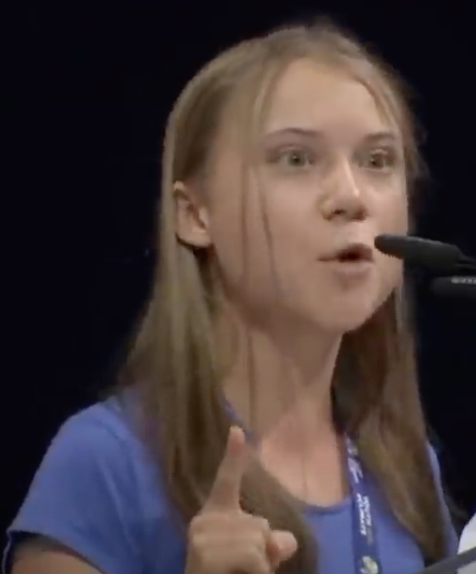
I cannot recall another speech that became famous because it continuously repeated the words “bla bla bla“.
Greta Thunberg’s address to the Youth4Climate event in Milan at the end of September didn’t go down very well. Many people criticised her for an “embarrassing” speech, for doing exactly what she accused world leaders of, for giving out without proposing meaningful alternatives.
I think she wanted to say that world leaders for at least the past 30 decades promised to do something about climate change but they really didn’t. They talked and talked and talked, they published reports and papers non-stop, they organised a lot of conferences – but they didn’t implement the radical changes that are needed to save our planet.
Would she have at least a point here?
Have you ever come across politicians who plan and promise but don’t deliver?
Pádraig had an appointment with Billy, his dentist, last week. Turned out Billy had left the practice. Caroline, a new dentist in the same practice, was so kind to do a check up on Pádraig’s teeth. She was very happy to see how well he had been looking after his teeth. Everything was in order. He left with two samples of tooth paste after just few minutes.
Before we found this practice last year where Billy fixed Pádraig’s teeth when he had a toothache, we tried all we could to get him an appointment in the dental hospital which is where you would usually go with a wheelchair. More than a year later, he hasn’t even got an acknowledgment of his request, never mind an appointment.
He did, however, recently get the appointment to see an orthopaedic consultant, an appointment we had asked for in spring of last year. This was to address his terrible hip pain that had prevented him from having a proper night of sleep. A problem that was solved in the summer of last year with a relatively simple procedure lasting less than 30 minutes in a specialised neuro orthopaedic clinic we found ourselves.
I understand an 18-year-old who feels that politicians are talking a lot but are not always delivering, who says that our hopes and dreams drown in their empty words and promises. And I don’t think that she needs to come up with solutions before she can make statements like these.
Even at my age, I feel deeply frustrated by systems that seem to have developed a dynamic of their own. As if nobody was responsible for them. As if they were so complex that they could not be changed even if we wanted to.
Do we really have to give up our hopes and dreams?
The previous day Pádraig had had a bath (in a mobile bath tub) for the first time in a long time. Now Pádraig and I were about to go on an early morning air ambulance flight to Hamburg to what we thought would be a few months of rehab. The hospital physio had come in at around 5am to get him ready for the journey. There were nurses and carers on the corridor to wish him well.
The journey turned out to be the easy part of the coming two years.
On the 11th day of the 11th month eight years ago, we moved most of our life to Germany. Just before Christmas that year, when families prepared to be reunited, to be together for this most important of family time of the year, we left half of the family behind.
While our personal tragedy was acknowledged, the health system with access to limited resources had to ensure that these resources were aimed at those with a good chance of a meaningful recovery, we were told just a few weeks later in a Hamburg radio studio by Ireland’s most senior neurologist on our first late night RTÉ radio interview.
I was not ready for when they time came. Nobody was. Not for what happened to Pádraig on route 6A in Brewster. Not for the nightmares that followed, the injustice and ignorance; the incredible support by his friends.
Pádraig stood on his own feet for a while in An Saol last week, with a little help from his therapists. He texted one of his friends what he’d like as a Christmas present from him: breakfast in the Shelbourne, no less. On another day last week he directed Donal’s clarinet using his breath. He told us using Morse Code that what he has most been missing during COVID is his friends.
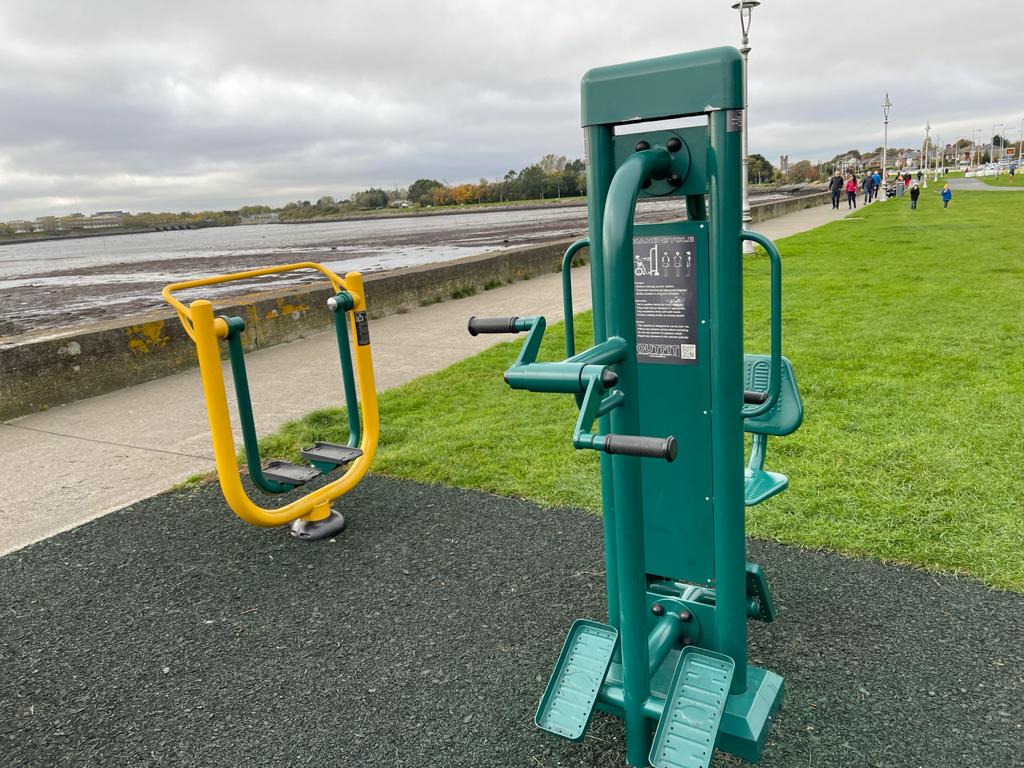
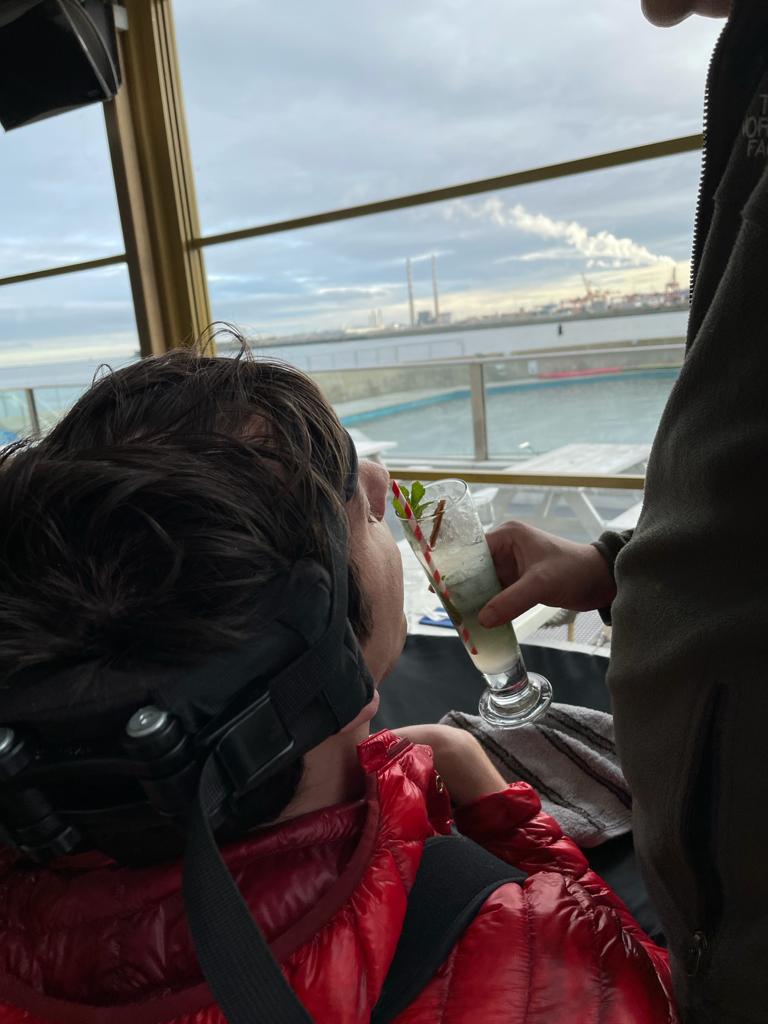
On Saturday, he went for a walk along the seafront and tried out some of the wheelchair accessible exercise equipment installed there by the Corporation.
Clontarf Baths and their restaurant are close by.
Pádraig said he would like a Mojito (sin alcohol). And after all this exercise some scallops with pork belly and black pudding. Pádraig hadn’t tried to drink with a straw for quite some time.
He also hadn’t had scallops with pork belly and black pudding. To my knowledge. Ever.
On Saturday, he finished that mojito. No problem whatsoever drinking with a straw. I thought it must have been what was in that glass that provided the motivation.
Those scallops, pork belly, and the pudding also disappeared in no time.
Last week was one of the best for RTÉ television programming in a long time.
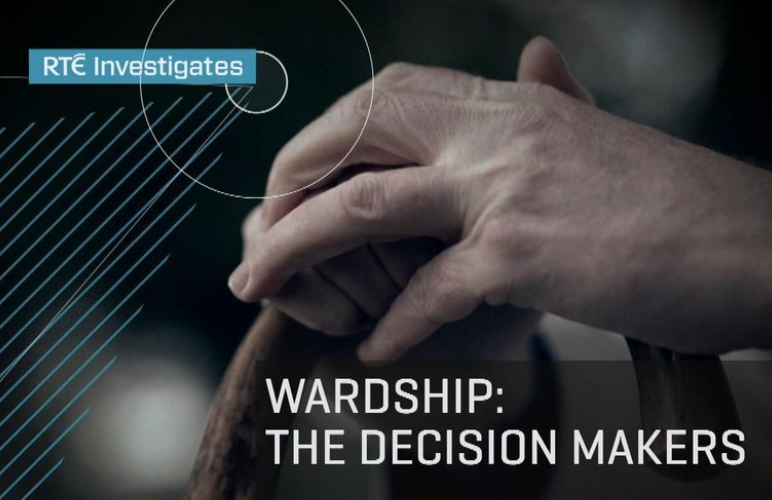
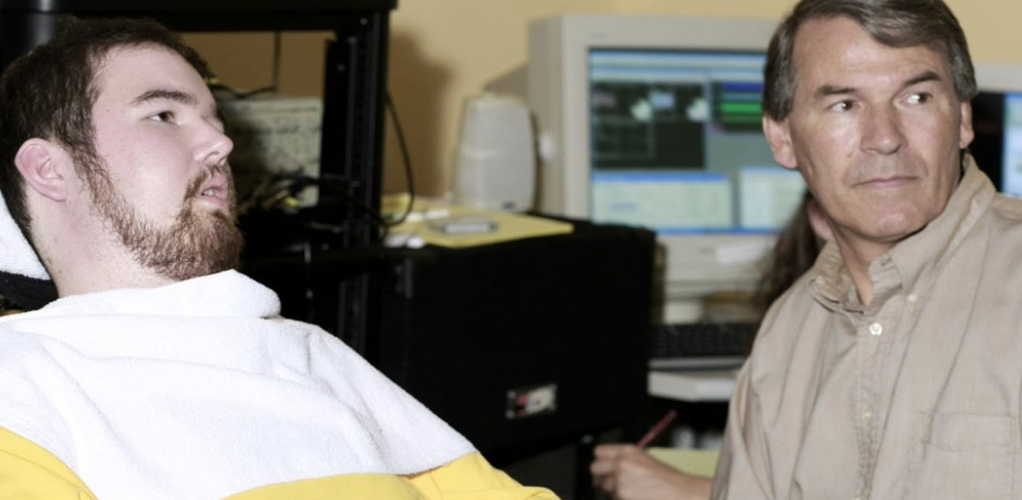
Primetime Investigates documented some of the horrendous effects of the Ward of Court system based on the 1971 lunacy act; The Missing Children told the story of the Tuam Mother and Baby home, some of its survivors and asked who the 796 babies were whose bodies were found in a sewage tank on the site; and Father of the Cyborgs looked at the life and career of Limerick born Dr Phil Kennedy who made global headlines in the late 1990s for implanting electrodes into the brain of a locked-in patient and then teaching him how to control a computer cursor with his mind.
Here is a slight variation on the theme, a quote by Henry Clay:
The time will come when winter will ask you what you were doing all summer.
Life and Living. In a meaningful, caring, social way.
If we do that, we’ll be ready for when the time comes. And we have an answer to the winter’s question.
I like writing. I never thought about who was going to read what I write, never thought about what readers, if there were any, would be thinking about me, us or our situation. Until someone told me I should.
I am writing this blog because I want to record Pádraig’s journey, my journey, and that of those around us. I want to share the good things that are happening in a place where much, on the face of it, is a terrible tragedy.
Now I’m asking myself: what about the other stuff? The insults added to the injury? The stuff that keeps me awake at night?
Last week flew by. It was over in a blink.
I want to understand time more than I do. Days, months, years. Linear. Some feel like an eternity, some like just a moment.
The content, happy man sitting on top of a mountain with his eyes closed in perfect balance. Or the man fighting windmills.
Is it ok to learn how to live with what you’ve got or should you strive for change?
Can we choose how we live and which decision we’re taking?
There is a lot going on I cannot explain or control. I cannot control how I perceive time. I cannot ignore injustice and misery. Rather than sitting content on top of the mountain, I want to shout out loud from the top of that mountain that I’ve had enough.
Would it make a difference?
Or would people just shake their heads and think when will he ever learn?
This is the dawning of the Age of Aquarius.
And it, we will make a difference. Even, or maybe because, there’s so much beyond our comprehension.
















 Hospi-Tales