The blind receive sight, the lame walk, those who have leprosy are cured, the deaf hear, the dead are raised.
Most people would probably be careful to say that miracles don’t exist. They would be even more careful saying that they believe in miracles.
I do. It depends on how you define as a miracle. Although, some believe that in the beginning there was the word, we often use words rather loosely, allowing the same word to represent slightly different concepts. What is fast to me, could be slow to you. What is progress to me, might be stationary to you. Is the man sitting on the mountain meditating poor and the guy with the yacht and the private plane and the villa rich?
The Oxford Dictionary defines a miracle as “an extraordinary and welcome event that is not explicable by natural or scientific laws and is therefore attributed to a divine agency” or as “a remarkable event or development that brings very welcome consequences”.
If you’ve read this far you’re probably wondering less about “miracles” but about why on earth I am going on about them?
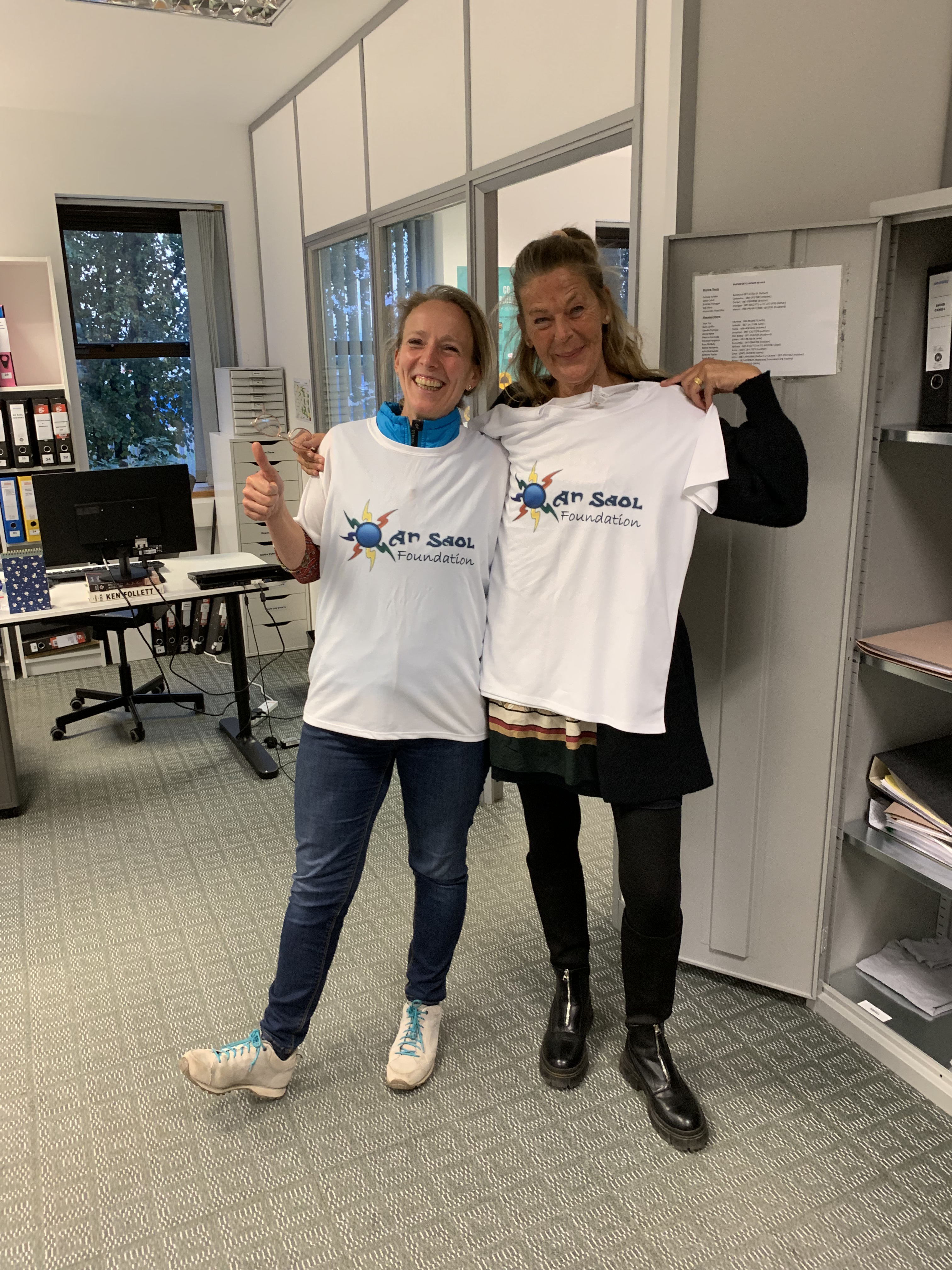
Last week, we had two extraordinary people over from my “Heimat”. Two therapists with decades of training and experience and a lifetime of humanity. Over a day and a half they saw most of the clients coming to An Saol, spending about an hour with each of them.
They supported people standing up who had not stood up in years. They walked up the stairs with a client who hadn’t even thought anymore of being able to do it. They encouraged another to make a banana milkshake who he then proudly shared with myself. Others walked again for the first time in a long long, time. All normal things. All very special for the people in An Saol.
Above all they created an atmosphere of positivity, hope, can do, energy, and ‘everything is possible’. They brought humour, laughter and at times a sense of “is this real?” to the place. Misery, pity, and desperation were nowhere to be felt.
And this attitude was contagious. The place was buzzing.
So yes. Miracles do exist. Things can change. The blind receive sight, the lame walk, those who have leprosy are cured, the deaf hear, the dead are raised. Anything is possible.
The most important thing is to try and enjoy life because you never know when it will be gone. If you wake up in the morning and have a choice between doing the laundry and taking a walk in the park, go for the walk. You’d hate to die and realize you had spent your last day doing the laundry.
Joyce Tenneson
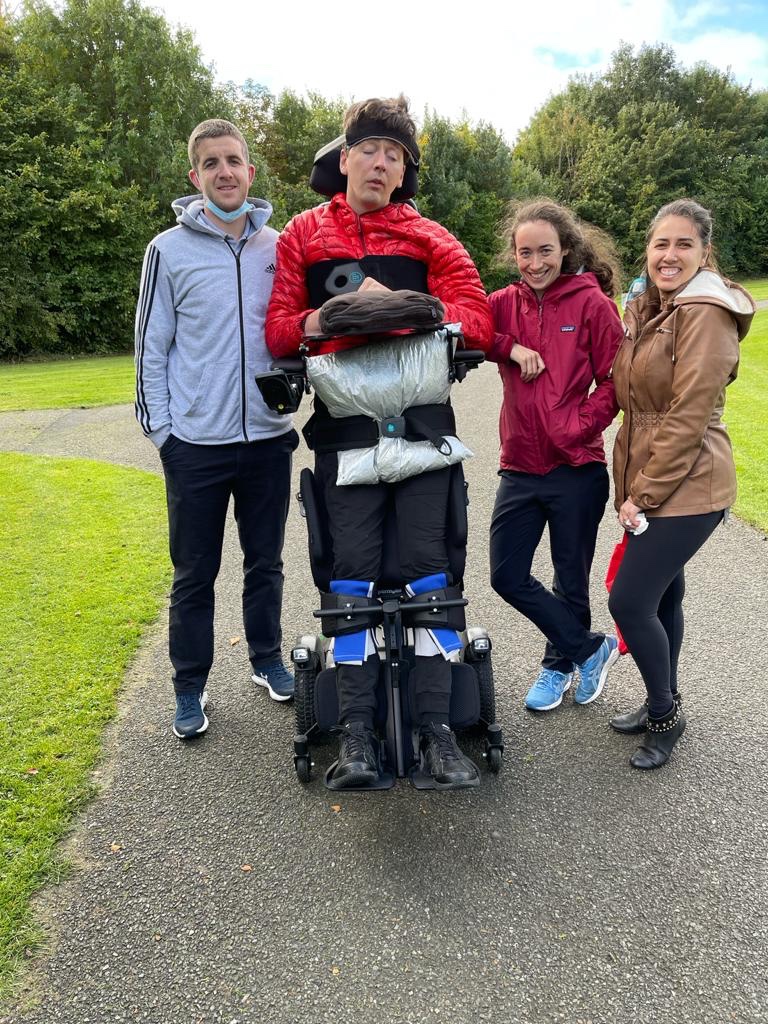
Everybody enjoying life.
No further comment needed.
It’s one of those pictures that speak a million words.
It was a test run. Getting Pádraig and the wheelchair into the car, driving it up to the park, going out for a walk. With Pádraig standing up. Sounds straight forward. But it ain’t. Until you’ve done it. Next time Pádraig will not be the only person the An Saol therapists will take out for a walk. Now that they know how it can be done it’ll be a group excursion.
I wasn’t sure whether I was going to say this, but: I felt left behind. I didn’t take that picture and I wasn’t even in the park. I sat upstairs in the office, checking bills, accounts, and reports. I wasn’t needed. Didn’t feel that good for me. But it felt brilliant for Pádraig to have experienced just a little more independence.
How do I know?
Because he said so when he came back.
-… (B) .-. (R) .. (I) .-.. (L)
In morse code.
What more would you be asking for?
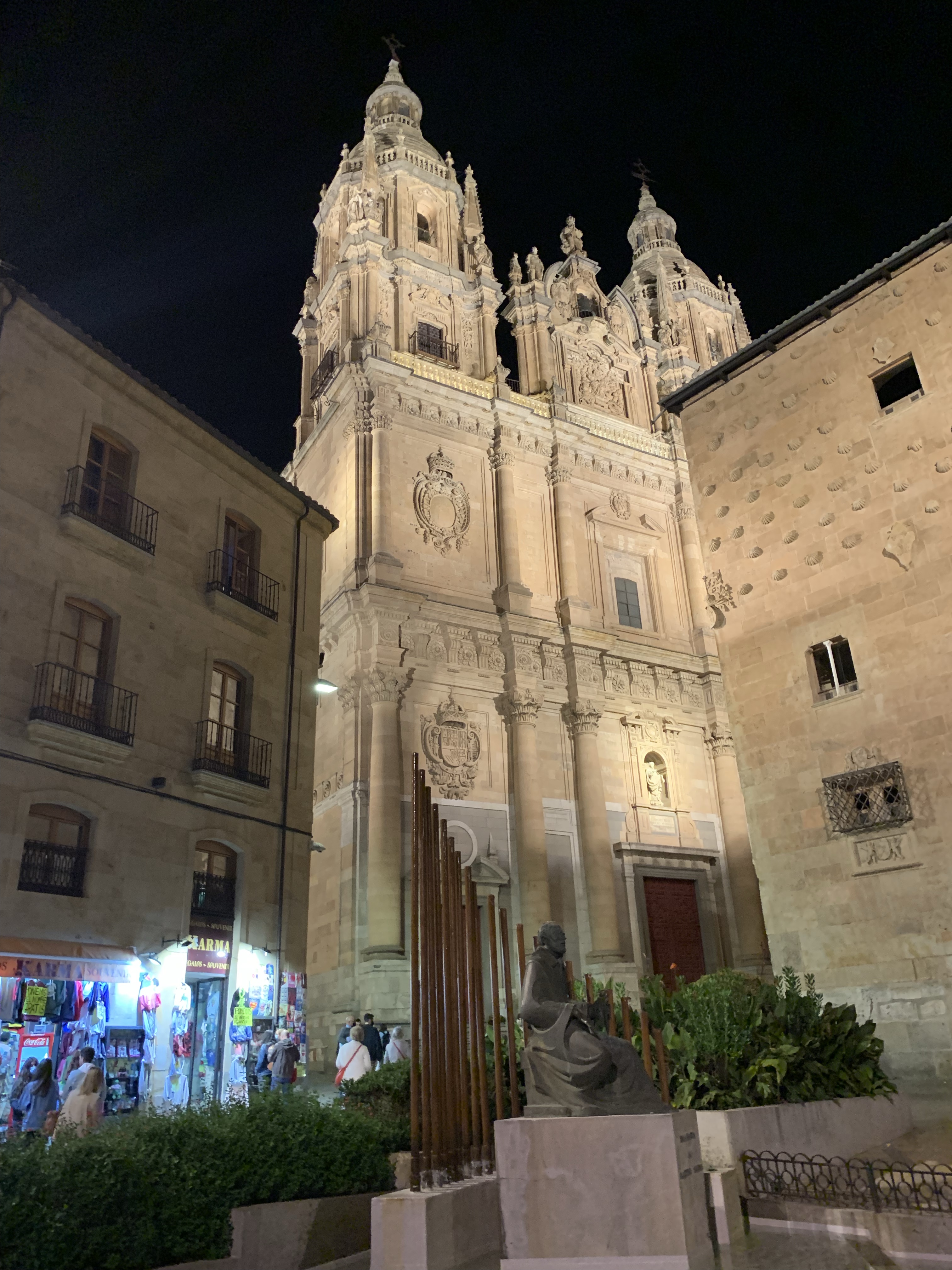
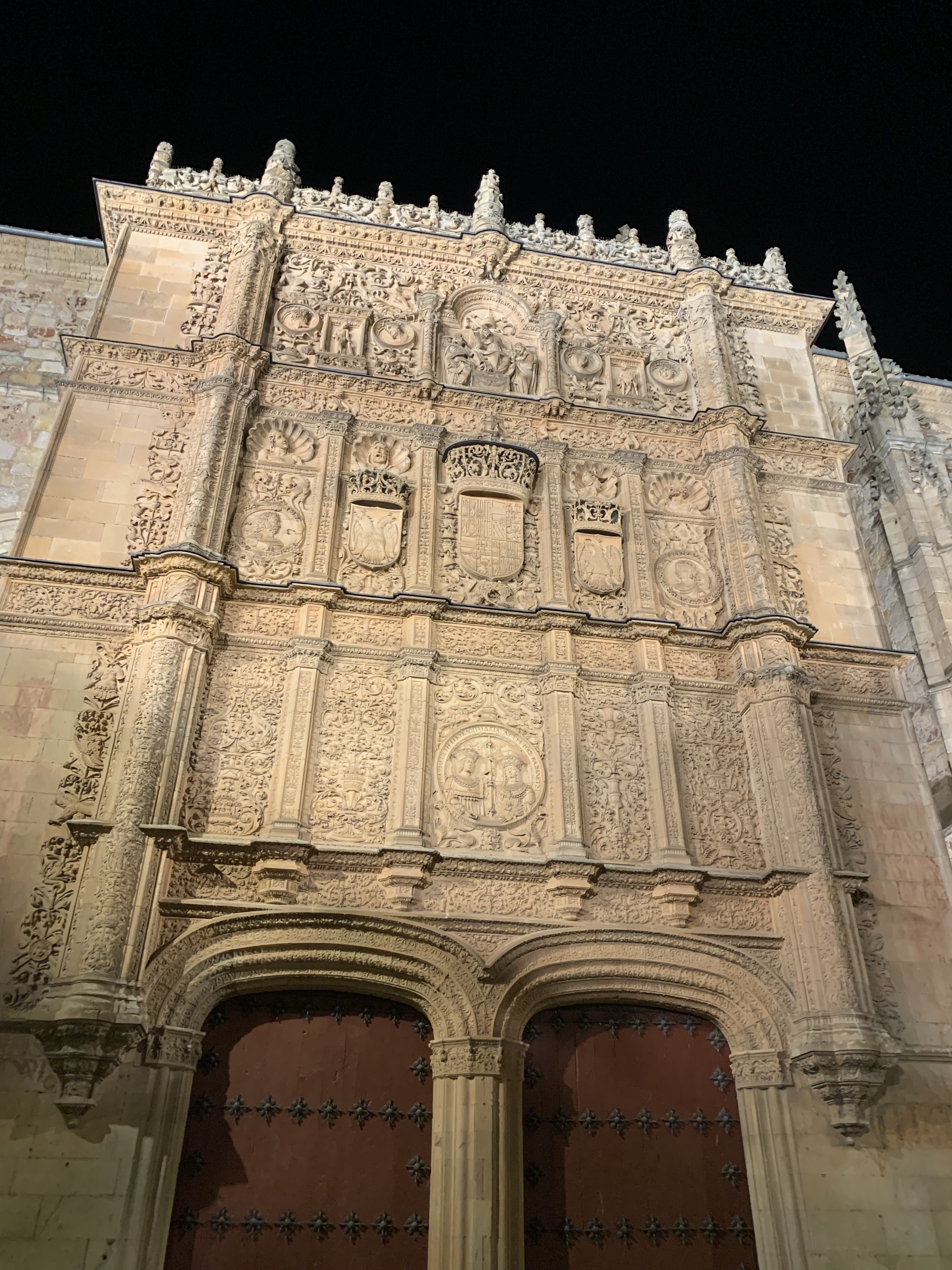
Well, I asked for a walk down 40 years of memory in 16th century renaissance live surroundings.
This weekend it happened. It was like a dream, but it was real.
“If the path before you is clear, you’re probably on someone else’s.” Joseph Campbell
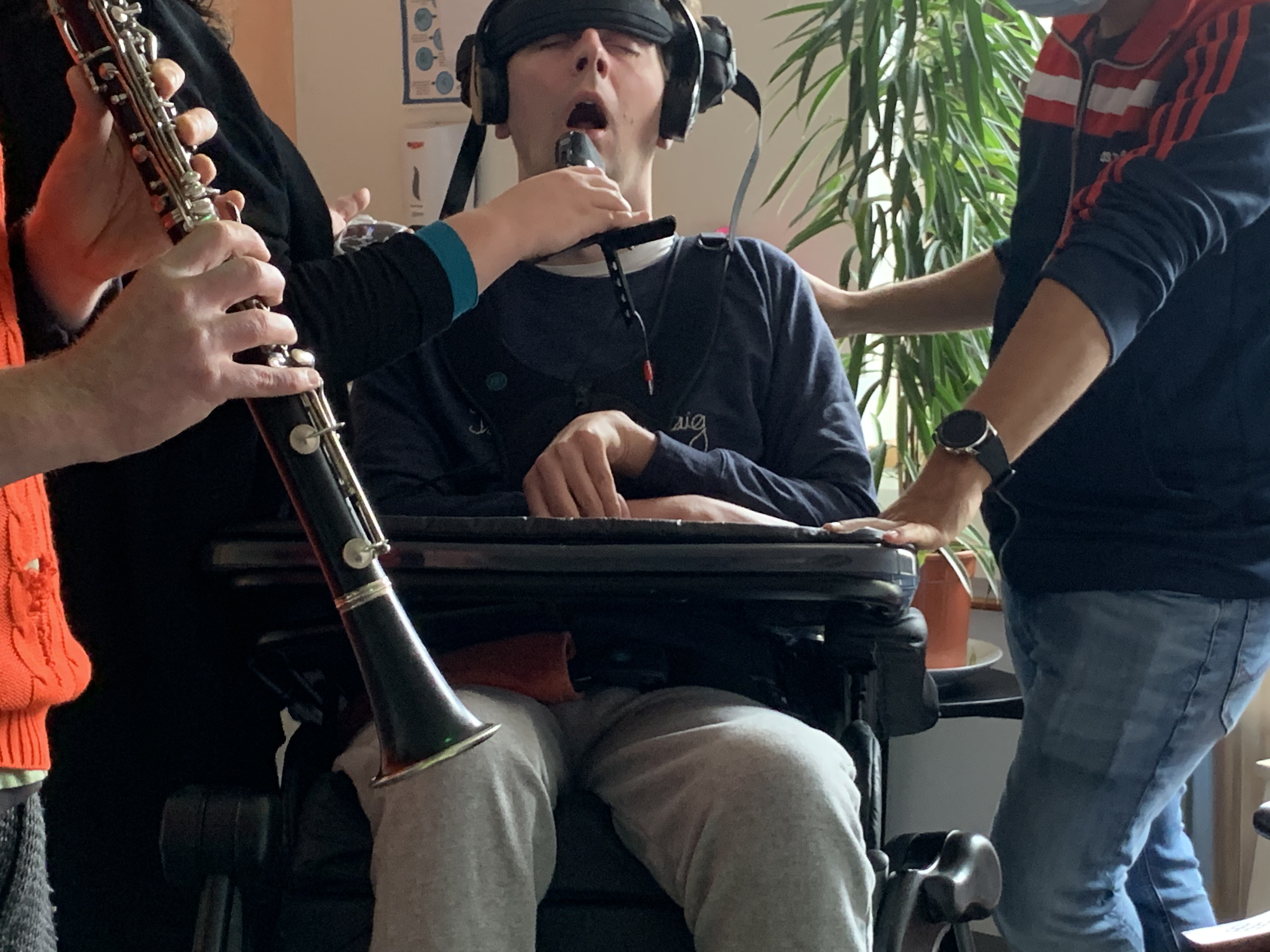
I talk so I communicate. True but incomplete. Most experts agree that between 70% and 93% of all communication is non-verbal. Last week, Donal came over from Galway and did one of the most amazing thing I ever experienced. Using a microphone with Pádraig and a headphone connected to that microphone for himself (and us), he let Pádraig lead the music with his breath.
What you heard was a short example of an hour long session, with Pádraig and other An Saol clients.
Several people played different instruments using whatever abilities they had.
Pádraig continued practising morse code. He is way ahead of everybody else, remembering the codes using mnemonics a good friend of his prepared.
It was an amazing first when he used that code to spell out the name of his favourite group and the song he wanted to listen to. You can guess the name of the group and the song (or click here to listen to it).
We are used to us and others functioning in a certain way but there are 1,001 other ways to do the same thing differently. To function in a different way.
Sometimes that ‘thing’ has to be done in a way that we are not used to.
Sometimes we have to be really creative and inventive. Take risks. Go where nobody has gone before.
Explore. Find your way. Support others to find theirs.
We decided to go to the country on what might be the last good weekend of the year.
Just back from a long walk. I’m only getting just about one bar on the network. High up in the attic. We’re in the middle of nowhere. Off grid.
We asked Pádraig this morning whether he wanted to go. He didn’t hesitate. On a good day, this is the life. Nobody here to get on your nerves. Even on a bad day, at least you can’t blame anybody but yourself.
Life is good I thought for a moment last week. That moment might last for the weekend.
“If you can’t fly then run, if you can’t run then walk, if you can’t walk then crawl, but whatever you do you have to keep moving forward.”
Martin Luther King
I didn’t think I’d ever do this. But I did.
One of my mother’s biggest fears was that we would not properly look after her grave.
If you ever visited a German graveyard, you might appreciate her fear. To me, and with some distance, in time and geography, it seems that Germans who mostly live in apartments without gardens, treat their family’s grave as their manicured garden.
I went to the graveyard and cleaned up the grave where she, my father, and my sister are buried. Not with the same dedication as my mother would have done it, but I tried.
For a moment, I shared her fears and dedication to grave maintenance perfection.
Being there was strange. It brought back memories I had forgotten I had. I wondered whether I heard voices. I nearly started a conversation with these distant voices. Something else my mother did when she visited my fathers grave.
A day later, I visited my father’s village and some famous, extraordinarily beautiful places he always wanted to show me but never did. Either he or I were not available, were always too busy.
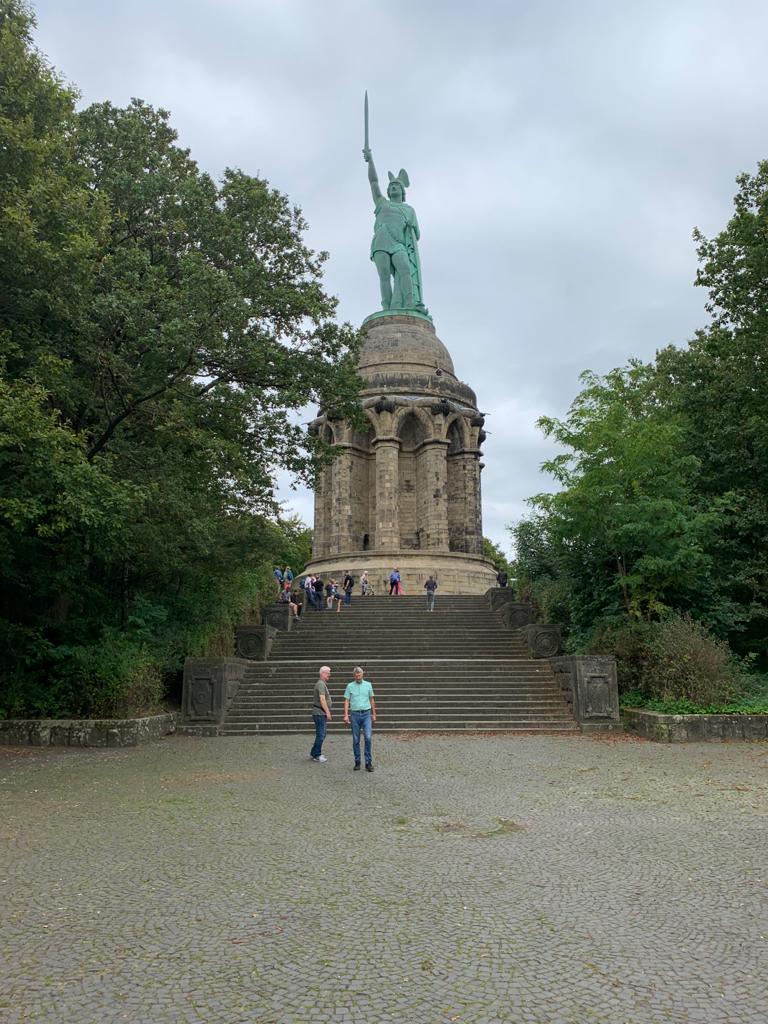
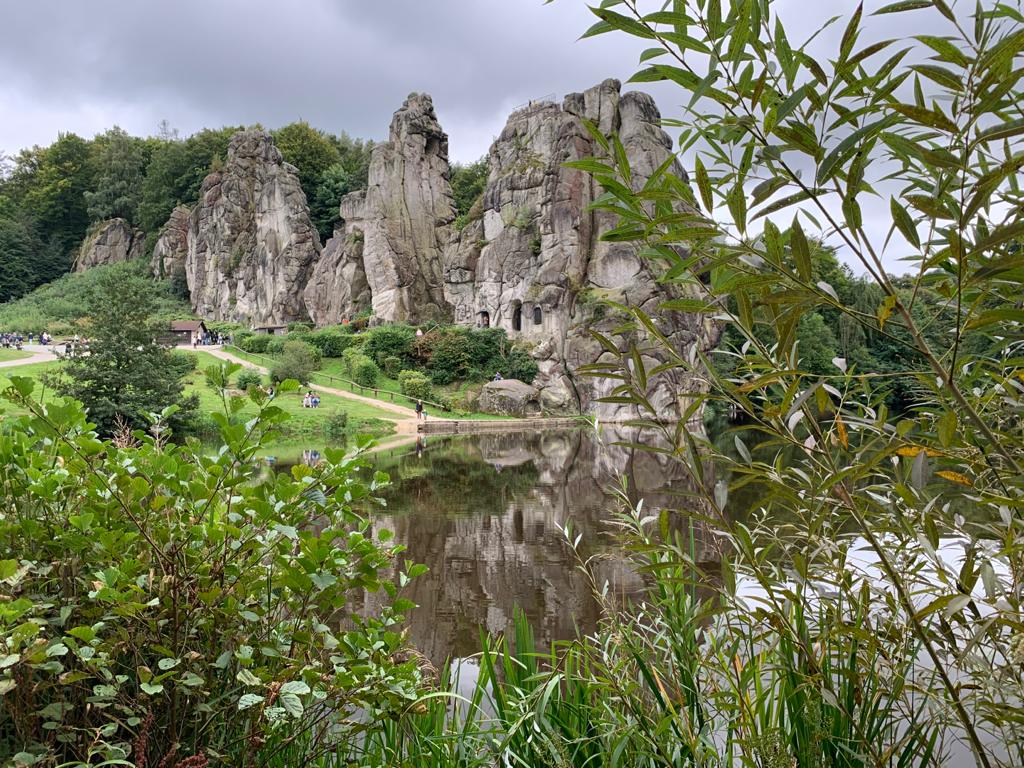
First, I went to see the Hermannsdenkmal, a monument inaugurated in the 1870s to celebrate the independence and self-determination of the German people. Hermann der Cherusker won a decisive battle against the Romans in 9 AD. Next, it was the Externsteine, one of the most unusual sandstone rock formations in Germany. A lot of myths surround the site. Lastly, we went to my father’s village with its lovely early 18th Century water castle, or Wasserschloss.
I decided to go on this journey because I had learnt the lesson from my father that time can slip away from you. Do whatever you want to do when you can. Seeing the beauty of the places I realised how much my father wanted to share the experience of visiting these places with me. That visit was postponed until I had to go without him.
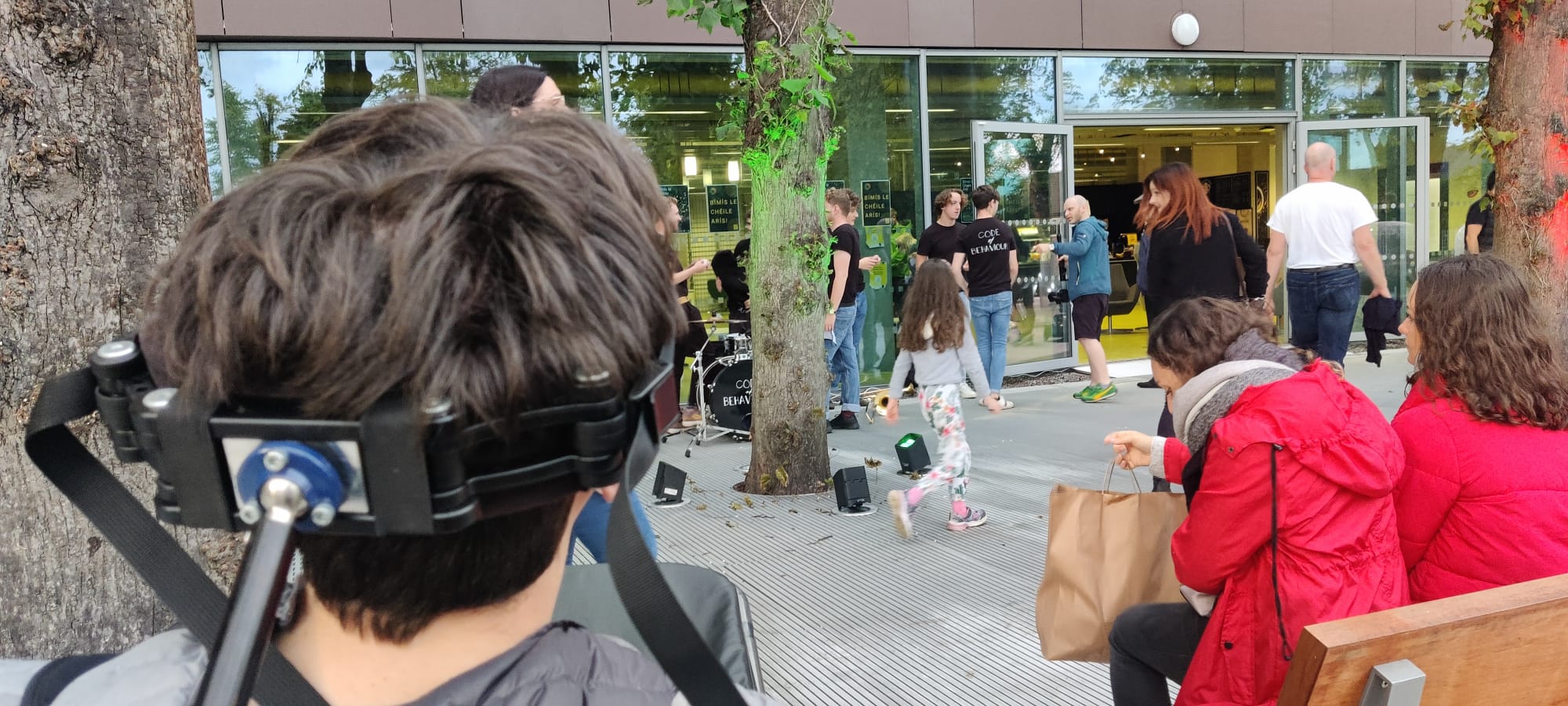
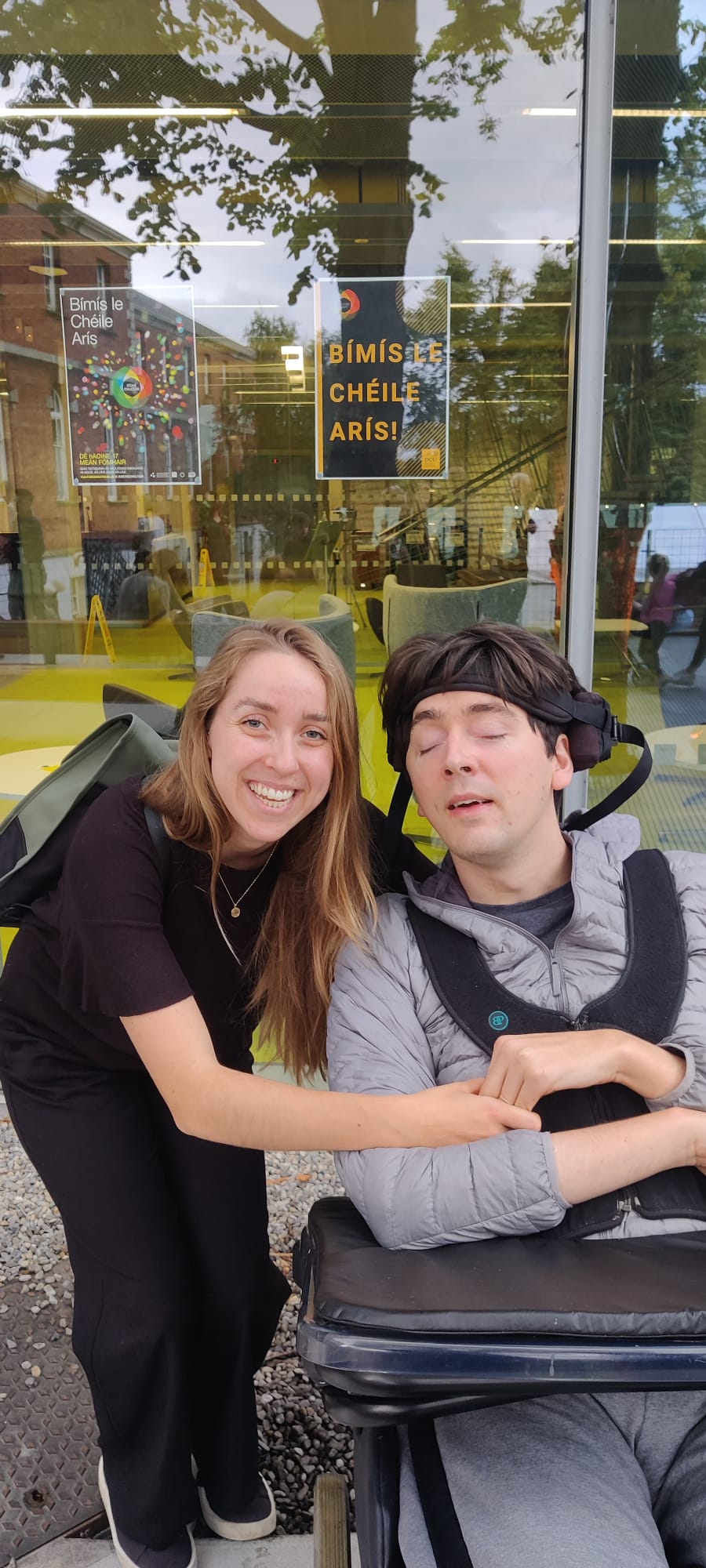
Pádraig went out to St Pat’s, now DCU, for Culture Night.
A brass band plaid. A lady came over to welcome him saying that it was so nice to see him coming out to Pat’s again with the doors of the place wide open. Pre-COVID Pádraig had attended the brilliant weekly performance of the students of the Department of Music in Pat’s during the semester.
He had a ball.
While life can bring nearly unbearable sufferings, and last week I met with some, life and living have to focus on the good things, on what is possible.
Whatever you do, and however you do it, you have to move forward.
Most likely not the best transcription of the signature jingle of Rocky Took a Lover. Would Ding Dang … Ding Dang be better?
I’m ok in the morning.
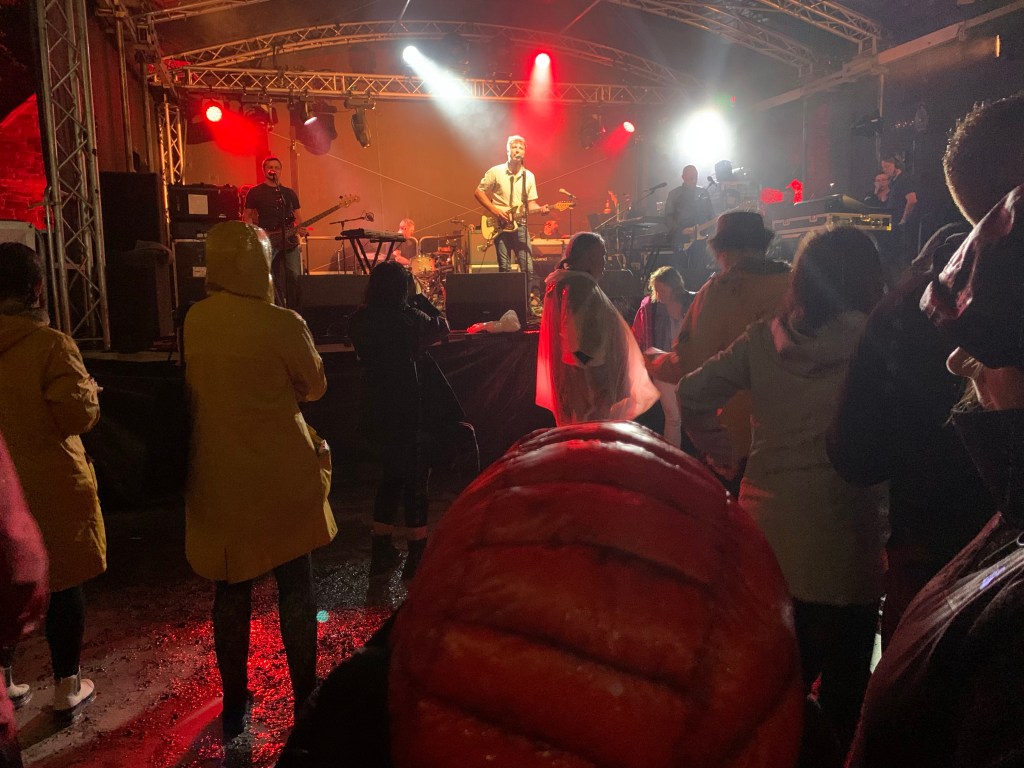
They played together for the first time in more than two years.
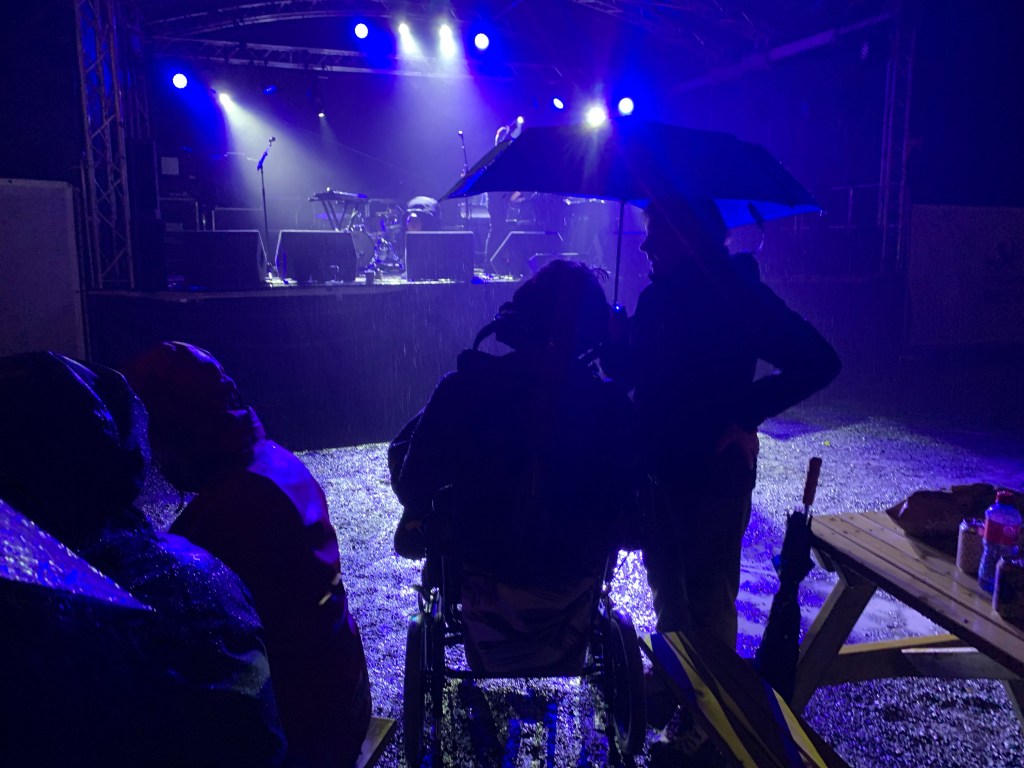
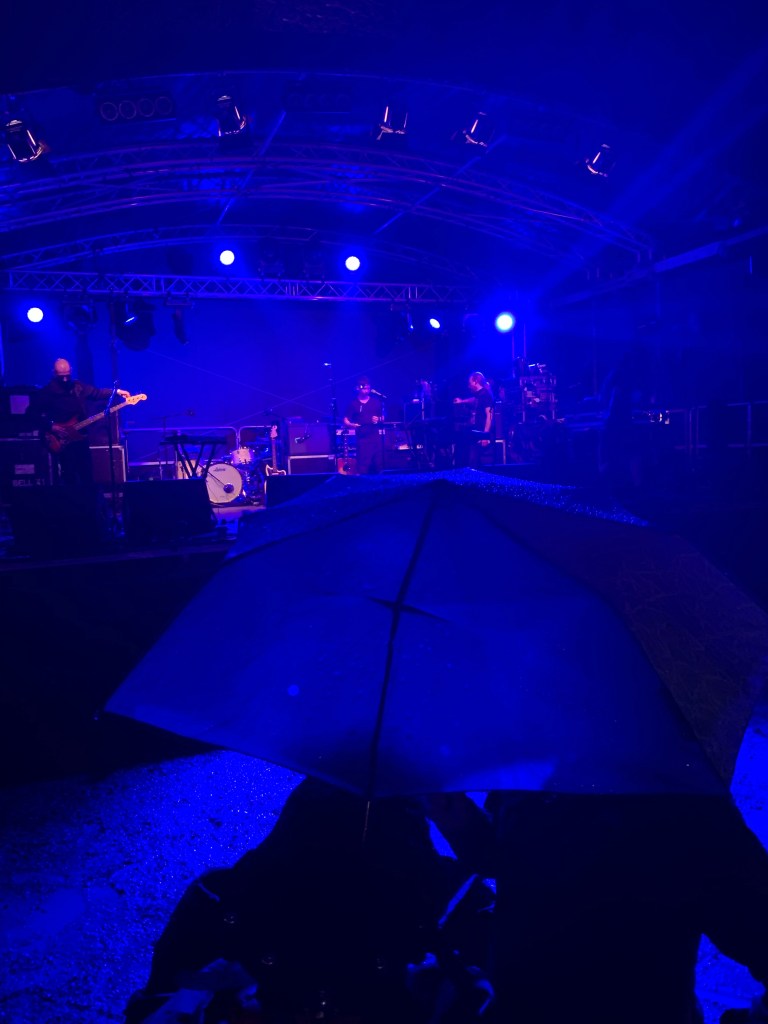
And they created magic on a wet wet night in a field in the shadow of the restored 15th Century Tower of Claregalway Castle.
It was a night when we all felt alive.
I want to be that star.
There had been moments when we doubted. The weather forecast showed rain. It was more than a two hours drive. We would have to stay overnight. They would play late into the night.
Then we decided to ignore the weather, to pack the bags, and to head off West.
It turned out to be the best decision we had taken in a long time.
And it was the mid-week beginning of a great week.
A very good friend of Pádraig’s arrived with a belated birthday present on Friday. A gadget that connects to an internet-based synthesiser and plays whatever instrument you want to play by touching it wherever you want. By creating circuits between different people, or water, or an orange – it plays music by squeezing the orange or by touching another person’s hand.
And Pádraig had no problem using his and our bodies as an instrument.
We ended the week with a mass organised by the Dublin Diocesan Lourdes Pilgrimage Group who had invited Pádraig to join them and the new Archbishop of Dublin, Dermot Farrell. We had not met him before. When he was leaving the Church he stopped by and spent a few minutes talking to Pádraig and to us. He is a kind, intelligent, compassionate man. He is quoted in the Independent as saying, referencing the writer LP Hartley:
“The future is a different country, we must do things differently there” adding “This is not to forget the past, and especially not the painful past where so many were hurt.”
I am all with him on this one. Only that there are too many who are still being hurt and who are still being left behind in the present.
I’ll shine for you. Then I’ll burn for you. Then I can shine for you. That’s what I’ll do.
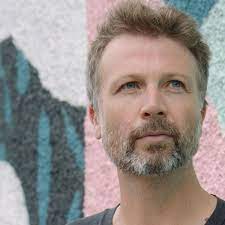
Paul Noonan – Rocky took a lover
Paul is the front singer of Bell X1, one of Pádraig’s favourite bands, with songs like Rocky Took a Lover, The Great Defector, or Velcro. The songs have beautiful lyrics and many are based on real life stories the band or Paul experienced, deeply based in Irish culture. They are super cool with next-to-no-showmanship on stage. They have a seizable, very committed follower-ship – though they never made it really big.
Someone in An Saol who knew about Pádraig’s liking of the band told us last week that he had just heard that Bell X1 were going to play in Roisín Duff in Galway next week. We enquired whether the venue was wheelchair accessible, which it is, and bought three ticket straight away, before they were sold out. With the backlog of cancelled concerts from last year now slowly coming back on stream, it is next to impossible to get new tickets for the band.
We got the ticket, double-checked and realised that the concert is part of a 5-day open air event, Fall RightInto Place, in Claregalway Castle. Nothing like knowing what you’re doing…
Last week, Pádraig went out for a walk and decided to call in to McDonald’s in the Omni for a burger, al fresco. It was the first time in more than a year that he went to a ‘restaurant’. It was a bit of a complex setting but it worked out fine.
He also attended An Saol’s Summer Fest with great food, drinks, and – above all – live music.
Because of the weather, we could not have it outside in An Saol’s back garden, but the party was nonetheless a very welcome change and quiet entertaining. Even the MotoMed got some attention and became even more attractive with some summertime decorations.
We’ll head for Galway on Wednesday morning, have a little nap on arrival, before heading for the festival in the early afternoon, supported by big umbrellas, waterproof shoes, and rain jackets. We’ll spend the night in Claregalway and get back to Dublin the next day.
It’s fun for big adventures coming your way, especially when you don’t expect them.
It made me think of perceptions, rules, guidelines, expectations.
It was the expectation by the ‘system’ following Pádraig’s accident that he was to move from the hospital to a nursing home (“Which nursing home is he going to go to?”). Its perception was that he would no longer “have a life”. We were giving rules and guidelines telling us that we, his family, would have no say in the planning of his life and decision making about his future.
The Ombudsman has recently given his answer to that policy of placing young adults against their will and that of their families into nursing homes. He called it “Wasted Lives”.
No other than then Taoiseach Leo Varadkar was quoted in the Irish Times last year as saying on the Late Late Show that nursing home care for the elderly might not be a wise investment in the future, but could be organised along the lines of “disability care where it has in fact been official Government policy since 2011 to end congregated settings for persons with disabilities” – especially in times of a pandemic. While this work is obviously still in progress, it is official policy to facilitate community living for all people with disabilities – regardless of age or severity of disability. Of course, this is supported by the UN Convention on the Rights of Persons with Disabilities, which Ireland has ratified. It recognises institutionalised facilities as a violation of human rights.
In 10 years, sadly not much has happened on this front, because we follow the same old same old perceptions, rules, guidelines, and expectations about the needs – not so much of the people with severe brain injuries – but of the system that is supposed to assist them.
Last week, I came by a billboard showing Katie Taylor with a tagline saying: “Some people follow the rules, others break them”.
When I followed that up a little I found more quotes:
By Pablo Picasso: “Learn the rules like a pro, so you can break them like an artist.”
By the Dalai Lama: “Know the rules well, so you can break them effectively.”
By Banksy: “The greatest crimes in the world are not committed by people breaking the rules but by people following the rules. It’s people who follow orders that drop bombs and massacre villages.”
By Albert Einstein: “I have only two rules which I regard as principles of conduct. The first is: Have no rules. The second rule is: Be independent of the opinion of others.”
By Mark Twain: “Life is short, Break the Rules. Forgive quickly, Kiss slowly. Love truly. Laugh uncontrollably And never regret ANYTHING That makes you smile.”
The essence of all of this is, I suppose, that nothing has ever been changed by people following rules and procedures that created the current ‘system’ in the first place.
On Wednesday, Pádraig will – and not for the first time – do what is the right thing to do. And defy expectations.
There is no picture of Eamon, because I haven’t got one.
Eamon told me last Thursday that it was his 42nd anniversary working as an electrician.
I had called him in the morning because a trip switch kept cutting out the electricity supply to the downstairs part of the house.
A few hours later he arrived with a colleague trying to find the fault. First, I was worried about the food in the freezer and the fridge. Then I realised that I couldn’t recharge my phone or laptop while they were working. Before settling in to the fact that none of that mattered too much because the internet was gone as well.
Eamon tried to isolate the problem. One circuit after the other. While he was working away he explained what he was doing, asking whether this all made sense to me.
Eventually, he isolated the faulty circuit and put in a temporary fix.
He will be back on Tuesday to finish the job.
One small faulty wire somewhere and: no phone, no laptop, no internet; but also no washing machine, no dishwasher, no fridge, no coffee machine, no freezer; no hoist, no movement in Pádraig’s bed.
Nothing moved. All because of a small wire somewhere.
What would we have done without Eamon?
The kids are back in school and the weather couldn’t be better. It (nearly) always happens towards the end of August, beginning of September.
There is a week or two of gorgeous sunshine, blue skies and no wind.
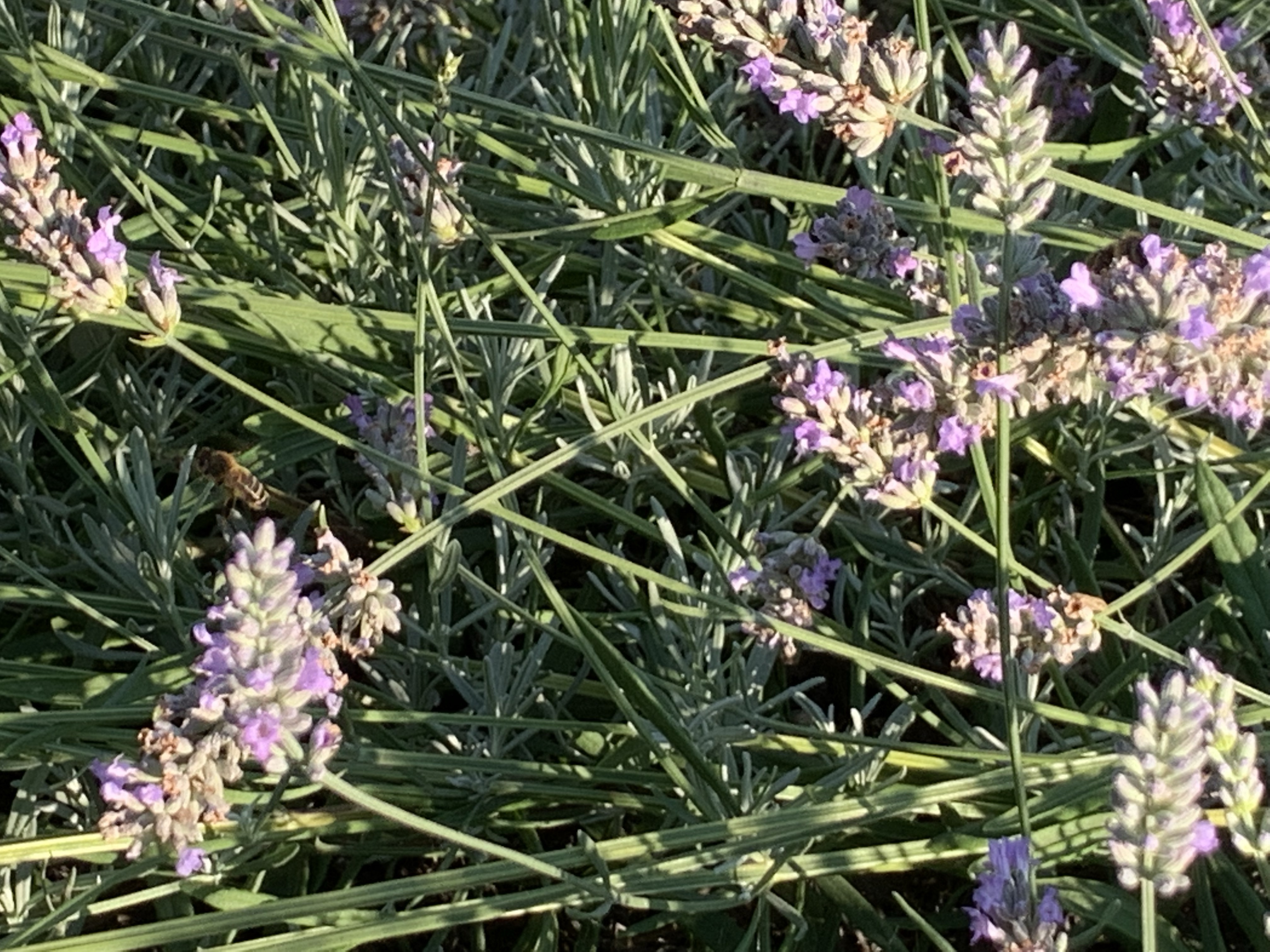
The lavender in Pádraig’s garden is still blooming and attracting large numbers of bees. Sitting there and listening to the humming bees could make you forget that we are in the middle of a big city.
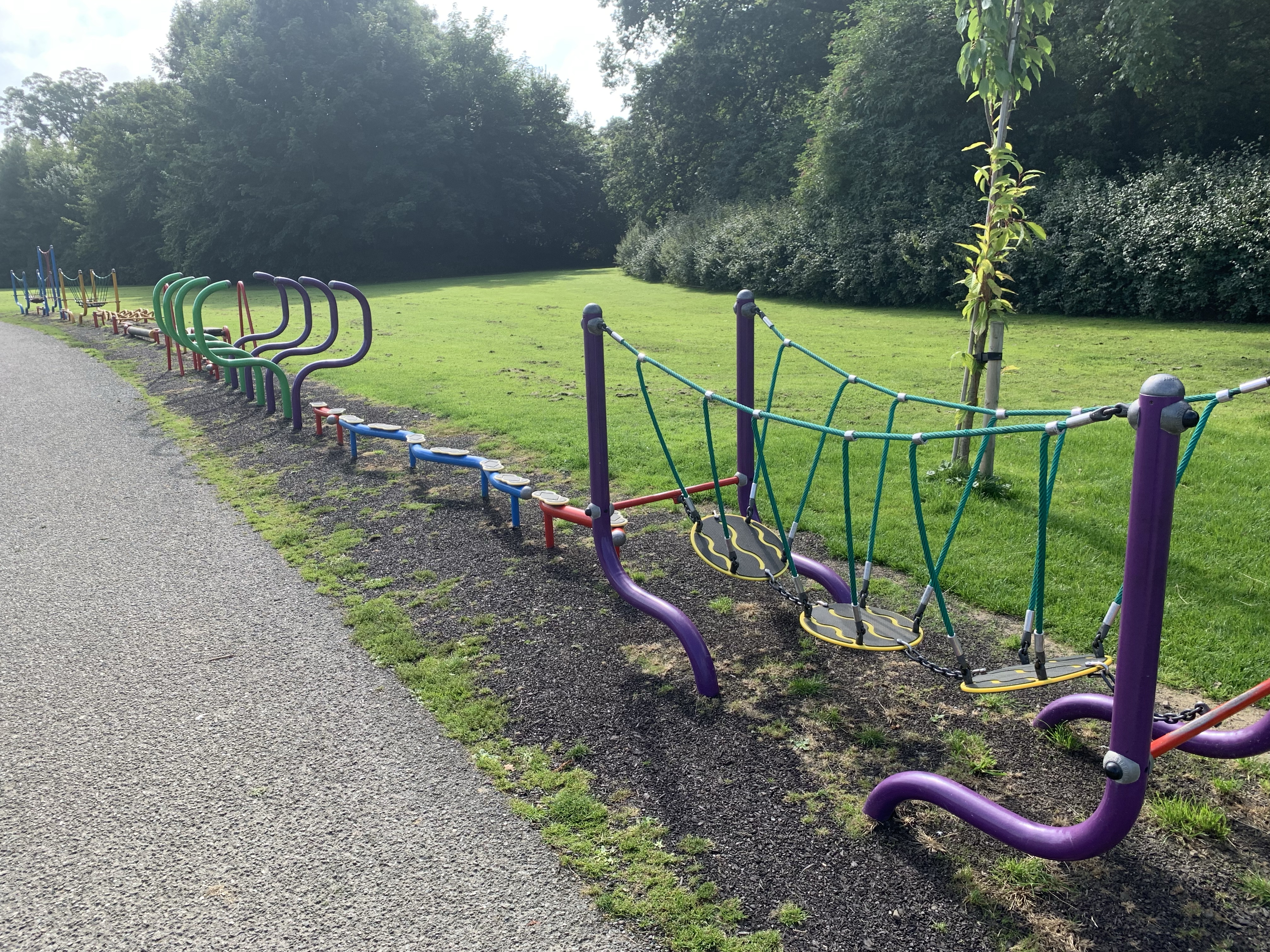
When we went for a walk in the park one early morning, we came across a few sets of exercise equipment. Really good to see that it’s so widely recognised that people need regular exercise that the Council makes the necessary investment for its people.
Unless they are in a wheelchair – in this case.
We have decided to spend what might be the last real summer weekend this year in the country. Relax, get a change of air and environment. We are so lucky that we can do this all together and that we are all enjoying it so much.
You might remember from some weeks ago that the locals who had worked so hard to set up a few brilliant country walks in the middle of nowhere had made a small bridge accessible for wheelchair access straight away after we had contacted them about some problematic steps they had overlooked.
We’ll be walking around that lake this weekend and enjoy a quiet BBQ. In the middle of nowhere. Relaxed. Care-free. Without a worry in the world.
We’ll forget about that small wire that caused so much trouble for a while.
We’re a very expensive group; we break a lot of rules. It’s unheard of to combine opera with a rock theme, my dear.
Freddie Mercury
By chance, I started to watch Bohemian Rhapsody last night, far too late. But I kept watching it until the end, more than two hours later. It’s the 2018, absolutely amazing biographical musical drama about the life of the Indian descendant, Zanzibar born Farrokh Bulsara who changed his name to Freddie Mercury and became one of the most iconic music performers ever.
I always wondered why my father’s eyes filled up with tears, especially in his later days, when he was watching the Pope on TV. Last night it was happening to me. Watching this movie about Freddie. For no obvious reason other than that I found some aspects of Freddie’s life deeply moving. Some of his views so outrageously true.
He was out of this world and he expressed that in the songs he performed with Queen. Is this the real life? Is this just fantasy? Under Pressure. Radio Ga Ga. Killer Queen. We are the champions. Anywhere the wind blows. We will rock you. Love of my life. A kind of magic.
The original version of the real Freddie’s incredible live performance at the 1985 Live Aid in London’s Wembley Stadium has more than 100 million views.
The first week back in An Saol was brilliant for Pádraig. Two therapists had just come back from a short 1-2 week internship working with experienced neuro therapists in Burgau. It’s all still fresh in their minds and because some of An Saol’s other regulars were away on a break, they decided to practice some of the things they had learned with Pádraig.
They used Pádraig’s plaster of paris bespoke splints to stand him up against a wall and between two supporting therapy tables and blocks. Just like what is done in Burgau.
The therapists and trainers stood Pádraig up in the standing frame.
And we tried out an entirely new device, the Hasomed functional electrical stimulation (FES) device, controlling the famous MotoMed, stimulating Pádraig’s muscles and supporting as well as encouraging functional movements.
Everything has its price. The question is: is it worth it?
The straight, clear, unambiguous answer is: it depends.
Queen was definitely worth it.
So is Rehabilitation.
Spending relative modest amounts of money responsibly on training therapists, widening our horizons, accessing state-of-the-art equipment, pushing boundaries, – all in order to make life and living with a severe brain injury possible, to make our aspiration for true inclusion, participation and social justice a reality – is certainly worth any penny or cent we’re spending.
Have you every heard a rehabilitation centre echoing Freddie Mercury’s (slightly adaptive) statement:
We’re a very expensive group; we break a lot of rules. It’s unheard of to combine a severe brain injury with living a meaningful and happy life, my dear.
I haven’t. Ever. – Yet, these were the words of one of the world’s most famous, ground-breaking, mould-breaking, astoundingly successful artists.
Maybe it’s time to say it. To say it loud. And to say it proud. My Dear.
I guess now it’s time for me to give up I feel it’s time.
This is Saturday Night Fever on German TV. It’s mind boggling. Stunning. Beach Party on a beach wherever. With the Take That song Back For Good – in German. An extract from a programme that went on all night.
They were all so happy. What does it take to reach that state?
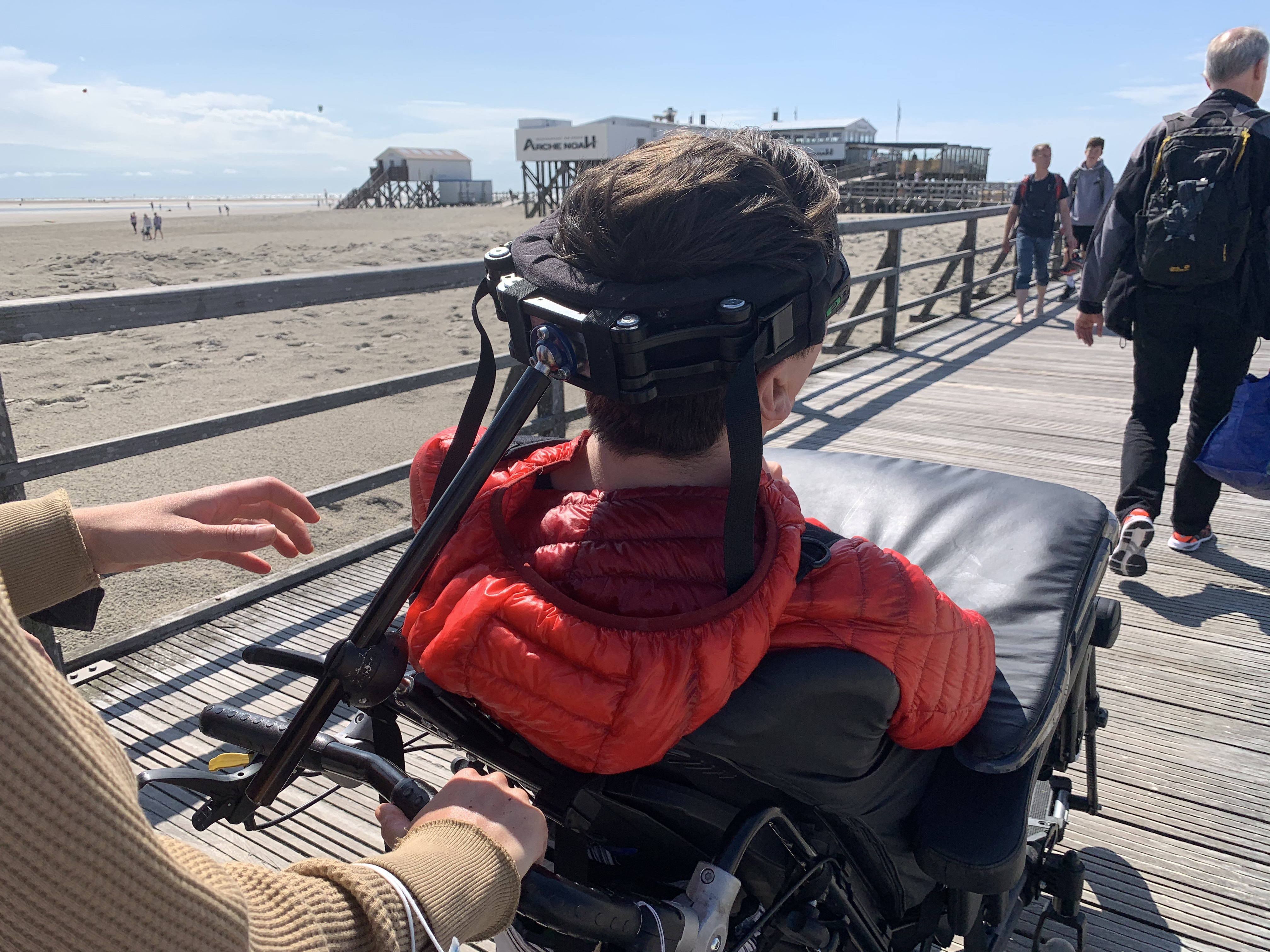
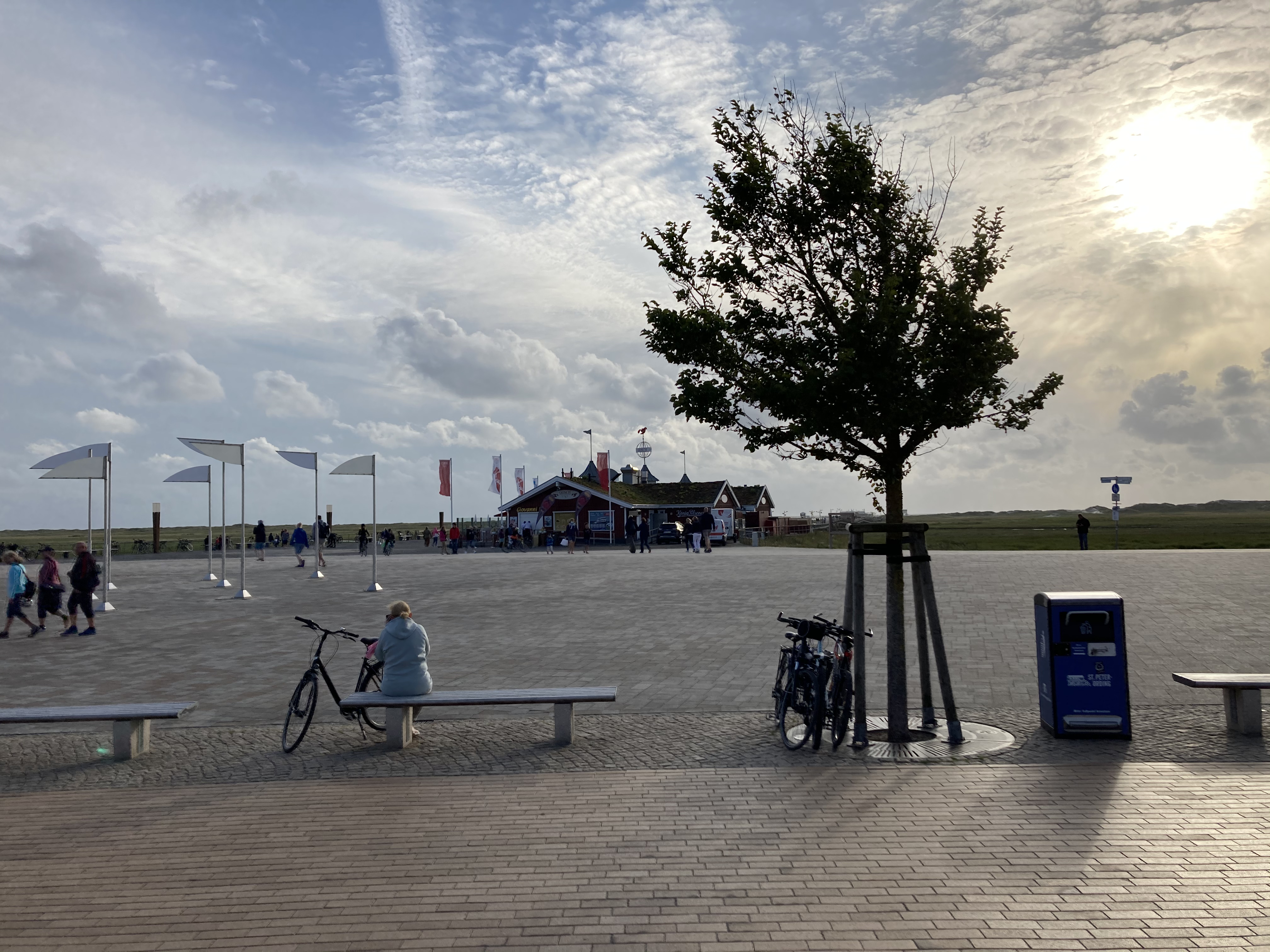
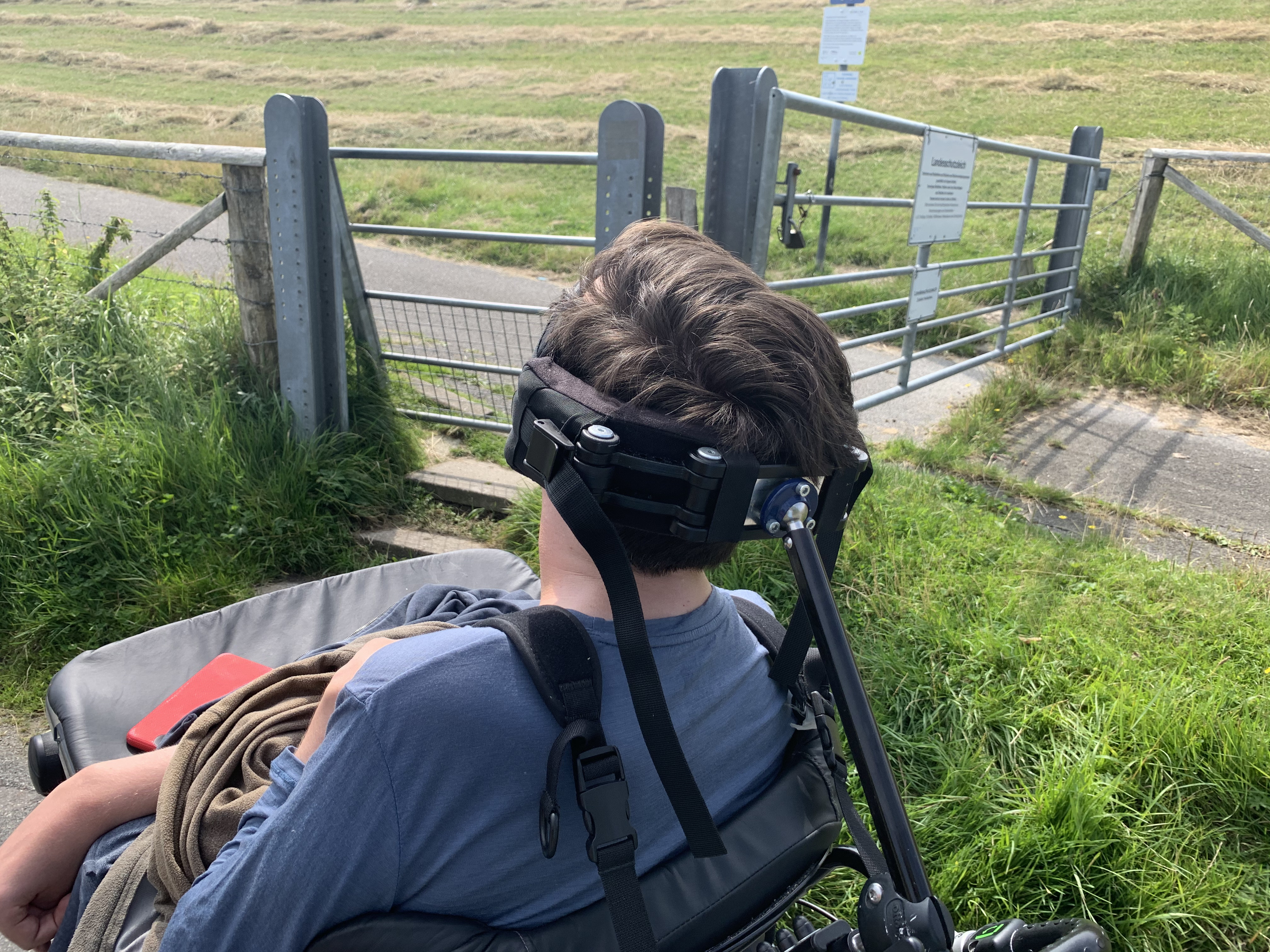
We went for long walks last week. The Arche Noah and their unique terrace where I worked as a teenager in a very different environment to that of today, the Promenade in St. Peter-Ording Bad all done up with expensive shops, and in Westerhever, where we discovered that while cars and walkers are facilitated to get up to the Deich, wheelchairs aren’t necessarily.
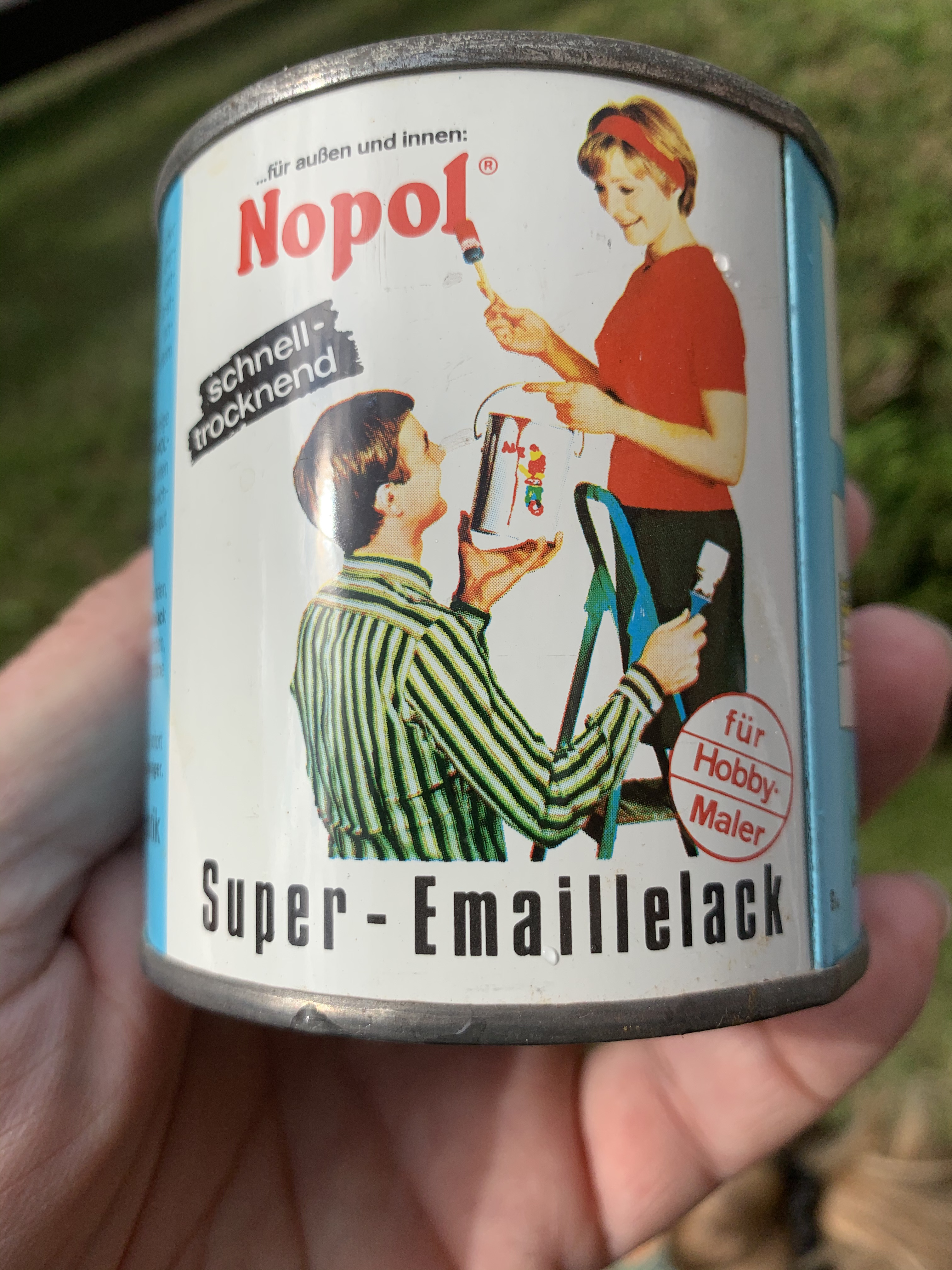
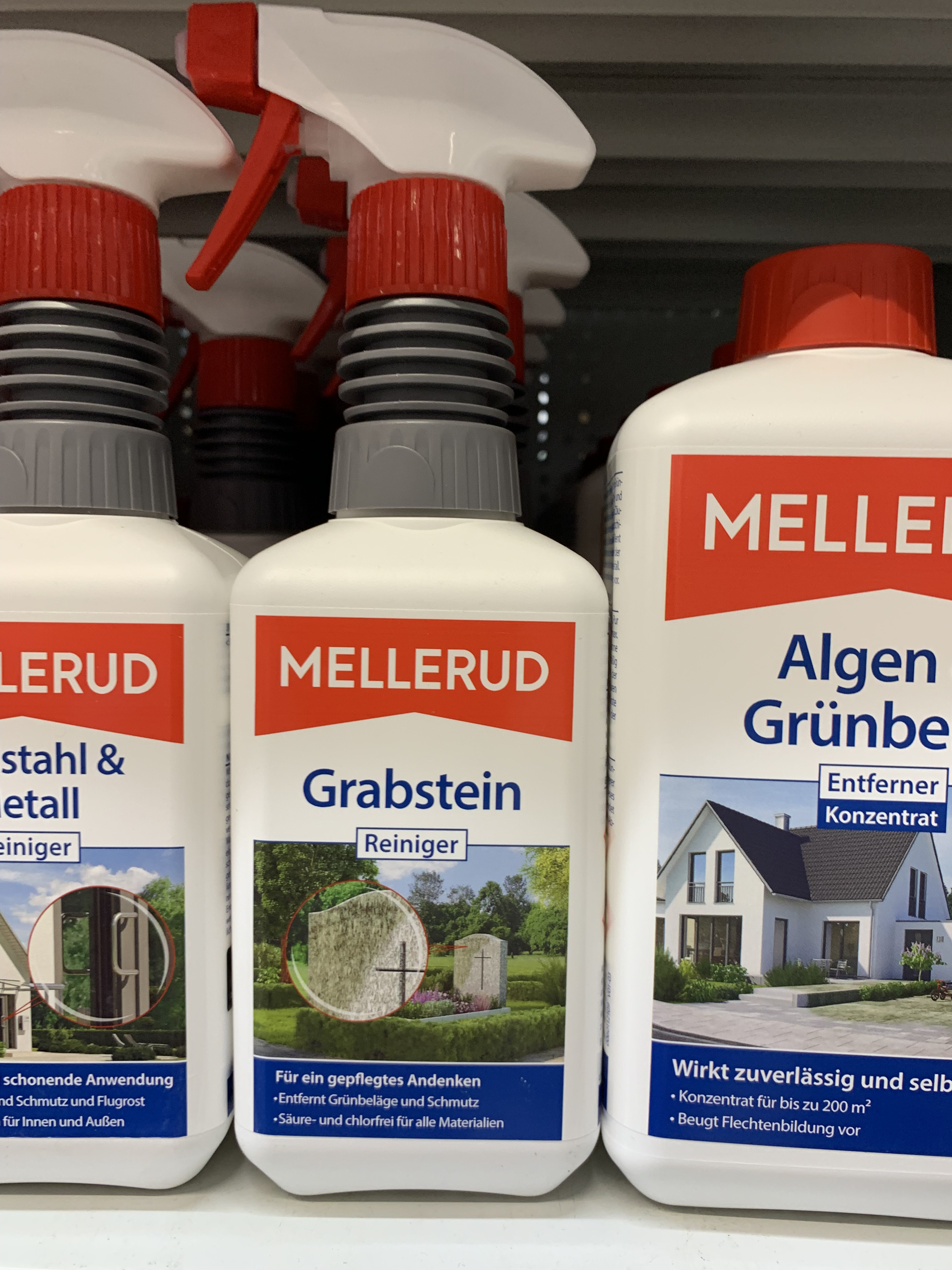
Also did some work on the house and found a few real gems, from an antique tin of paint, an ancient hoover, to a shell full of cleaning agents, one being made up to clean grave stones, Grabsteine.
This is the real McCoy. Summertime. Weird and wonderful.