Gonna Fly Now

Tags

, , ,

You, me, or nobody is gonna hit as hard as life. But it ain’t about how hard you hit. It’s about how hard you can get hit and keep moving forward; how much you can take and keep moving forward.
That’s how winning is done!
Rocky Balboa

“Yeah – My old man, who was never the sharpest, told me I weren’t born with much brain, so I better use my body”, Rocky tells Adrianna when he takes her iceskating on Thanksgiving.

When I ran up the famous steps to the Philadelphia Museum of Arts on a frosty, sunny early morning this week, I felt like not even having much use of my body, so exhausted I was when I got there.

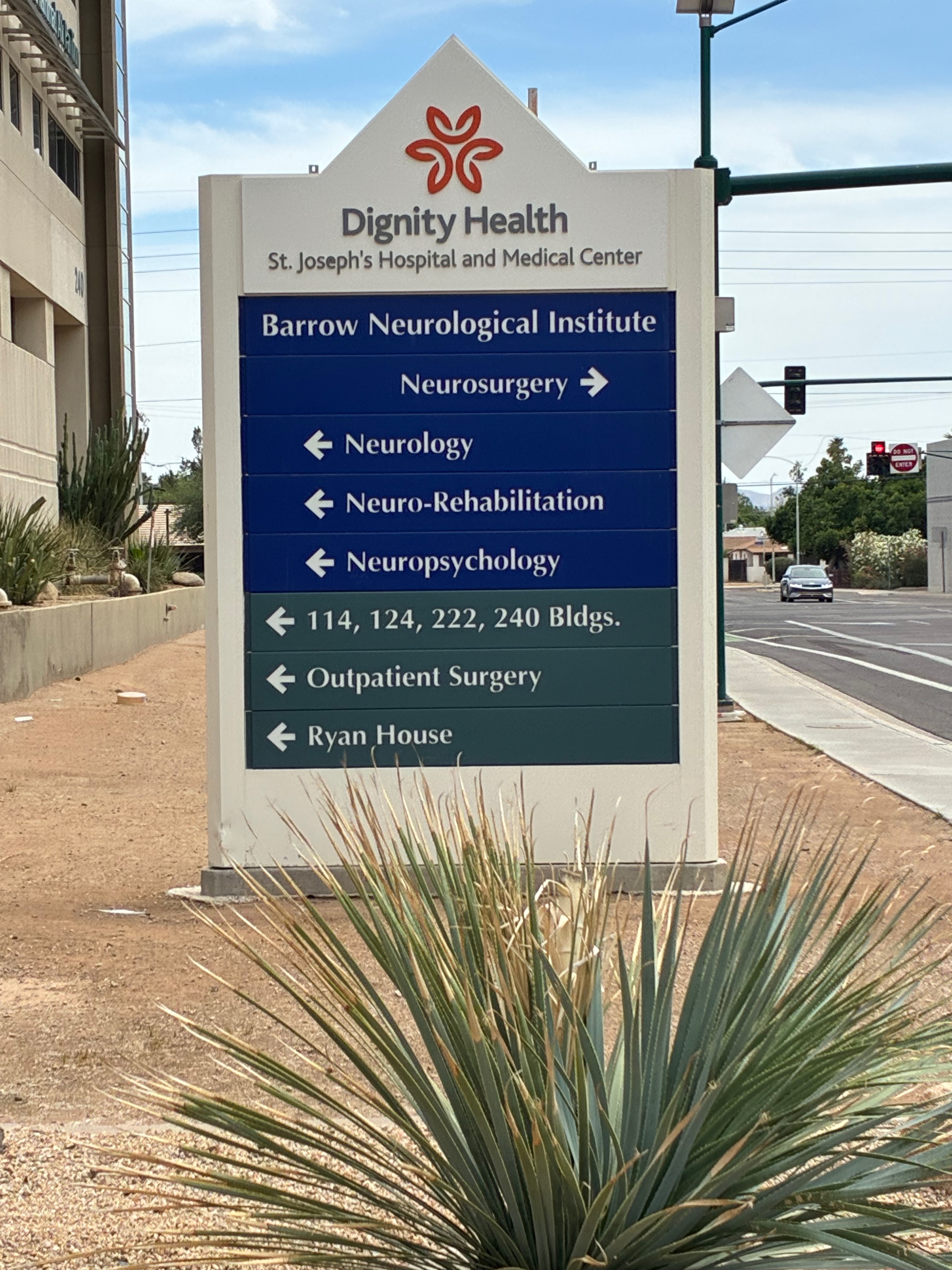
My few days in the Land of the Free though were primarily about exploring how we could collaborate with the amazing people researching, teaching, and practicing in brain injury who had come to visit us in Dublin previously to build the world’s leading centre for those with a severe Acquired Brain Injury. Thomas Jefferson University and the MossRehab Centre in Philadelphia are leading the field in the United States. The few days we spent together with faculty were incredibly inspiring and motivating. In addition to our US partners, there were also colleagues from UCD, the Technical University of Dublin, and Ulster University who are all very much behind our new joint research and teaching centre.

I took a seven hour Amtrak train journey from Philadelphia via New York to Boston, where I arrived to have another meeting, this time with the eminent Joe Giacino’s Spaulding Rehab/Harvard Medicine research group to learn about their work and to discuss how it could contribute to help those who are not yet on anybody’s radar because they are still considered to be ‘lost cases’ – when they are beautiful human beings.

Boston Spaulding / Harvard Rehabilitation Hospital

Spaulding Rehabilitation Hospital is one of the premier research and rehabilitation hospitals in the USA. They were incredibly accommodating and supportive making time for a visit and detailed exchange, even on a Saturday.

The Hospital is very old but its current building was opened in 2013.

Cape Cod

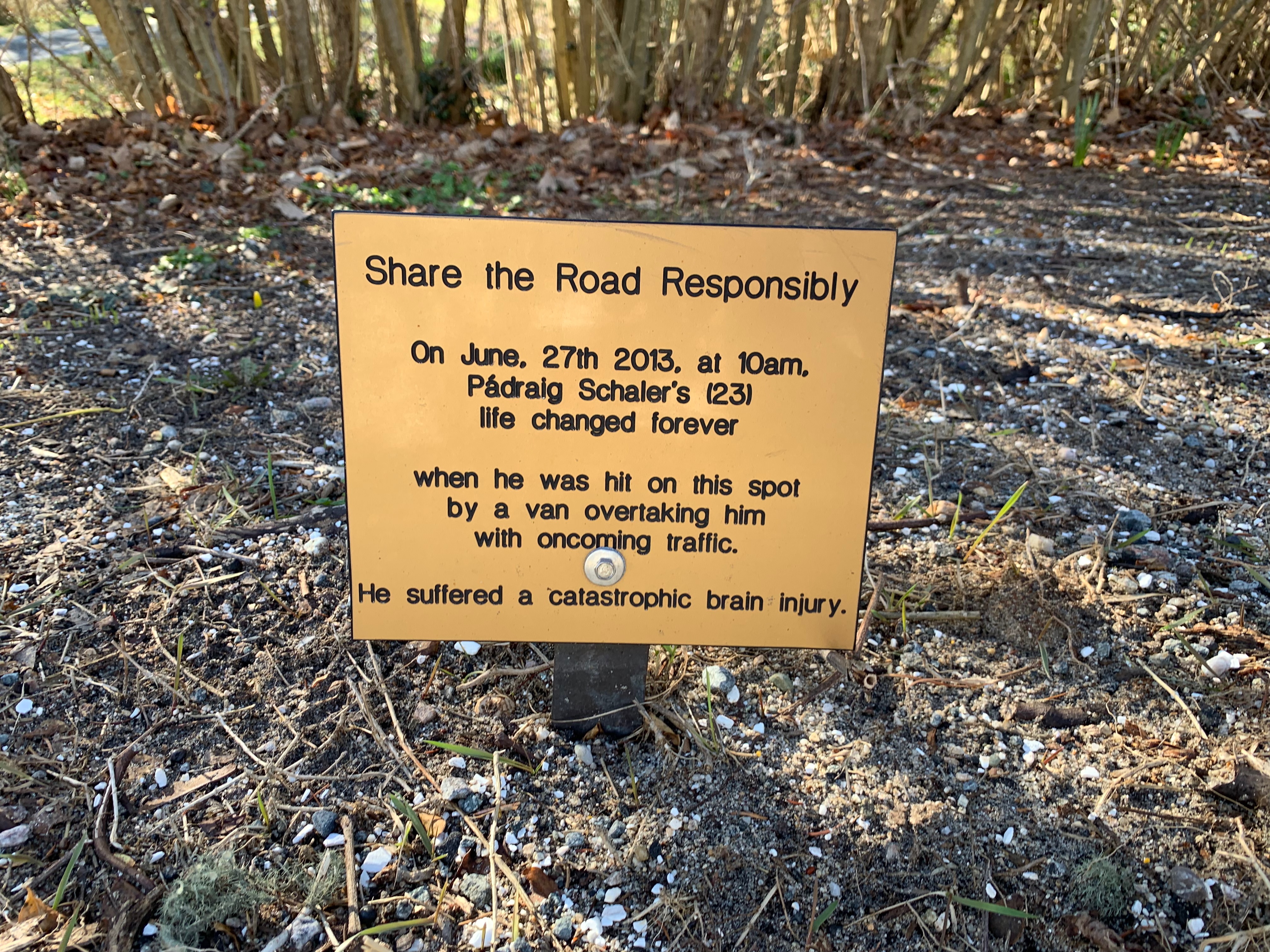
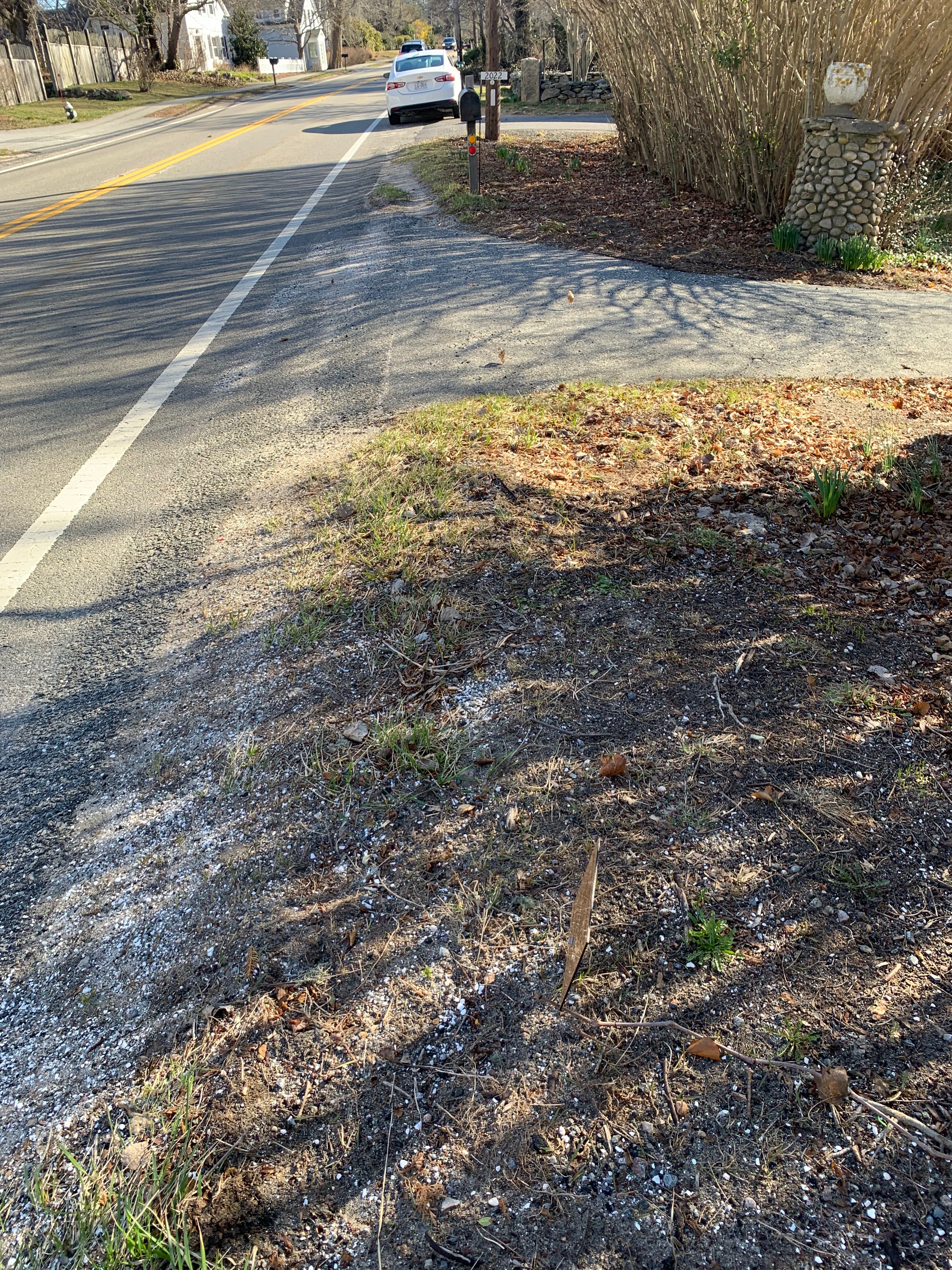
The last leg of this trip is to Cape Cod. I was nervous about going there, especially on my own. Last night, I jogged from the Hyannis Inn to the hospital. Today, II will meet with a good friend who has accompanied us from afar for many years. I hope not to drown in memories but to take back more strength and determination to change the world, even a little.

If you were there 13 years ago, you will recognise the cafeteria, the visitors’ waiting room, the doors to the ICU, the chapel, and, of course, the hospital building itself. The smell was still the same, the noises had not changed, only that it was virtually empty. The time I remember here was busy, we never left, there were sometimes dozens of people around, waiting, helping, getting coffees non-stop and there was – the organ donation team waiting for us in the cafeteria. They never met us.

This is for Pádraig who has been showing me every day that it ain’t about how hard you hit. It’s about how hard you can get hit and keep moving forward; how much you can take and keep moving forward.
That’s how winning is done!

I want to see the manager

After one look at this planet any visitor from outer space would say ‘I want to see the manager’.
William S. Burroughs

Would you agree? If you were that visitor from outer space, would you ask to see the manager because of the mess you had encountered when you arrived at the blue planet?

And who would that manager be?

Wouldn’t it be nice if there was a sensible person responsible for running the place, one you could complain to about the chaos and destruction – or even the ignorance, the looking-to-the-other-side, the knowing-but-choosing-to-ignore-it, the stringing-it-out-until-it goes-away, and the blaming-the-system-but-never-myself attitude?

We got lots of praise for our work. We know what we need to too. We have demonstrated that we deliver. We have incredible support in many different communities.

Nevertheless, so far neither a manager, nor a minister, nor the Taoiseach himself have had enough interest to cut through the red tape to allow us to do what everybody agrees needs to be done.

When trying to see the manager it seems to me that they have left the building. A bit like Elvis. Or the von Trapp family. They’re gone. So Long. Farewell. Auf Wiedersehen. Good-Bye.

Teach An Saol, the House of Live, our National Centre, has to be built. Not in 20 years but in 2025. With Satellite Centres around the country, providing services for those who up to now have been left behind, with many of them, inappropriately, currently placed in nursing homes.

What will it take to get the manager back to do their job?

We have heard promises after promises. But – at some stage the question inevitably arises: Does the word of a senior civil servant, or of a politician, of a minister, of a Taoiseach, count for anything? Or do they just tell you what you want to hear?

Are they, in their heads, singing the “Ten Years After” song:

I’d love to change the worldBut I don’t know what to doSo I’ll leave it up to you

While countless committees meet to provide advice and to inform, God alone knows who; while public servants are continously designing new processes with corresponding forms to be filled in and to be duly submitted for review and subsequent signature by the relevant representatives of the authorities in question following thorough consideration by the above mentioned committees, while there is an endless cycle of meetings, committees, strategies, plans, and papers — we ourselves take action because we need to.

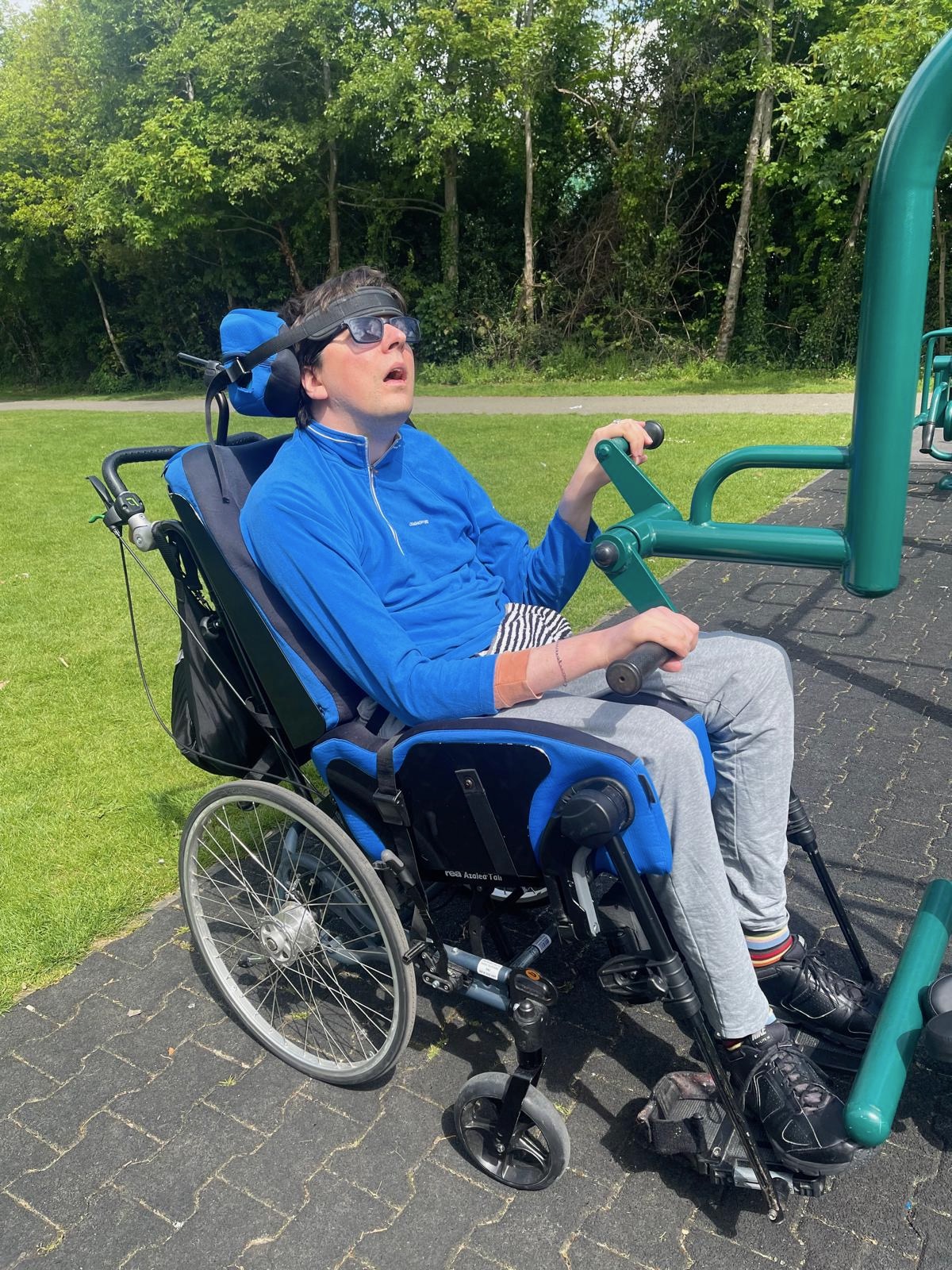
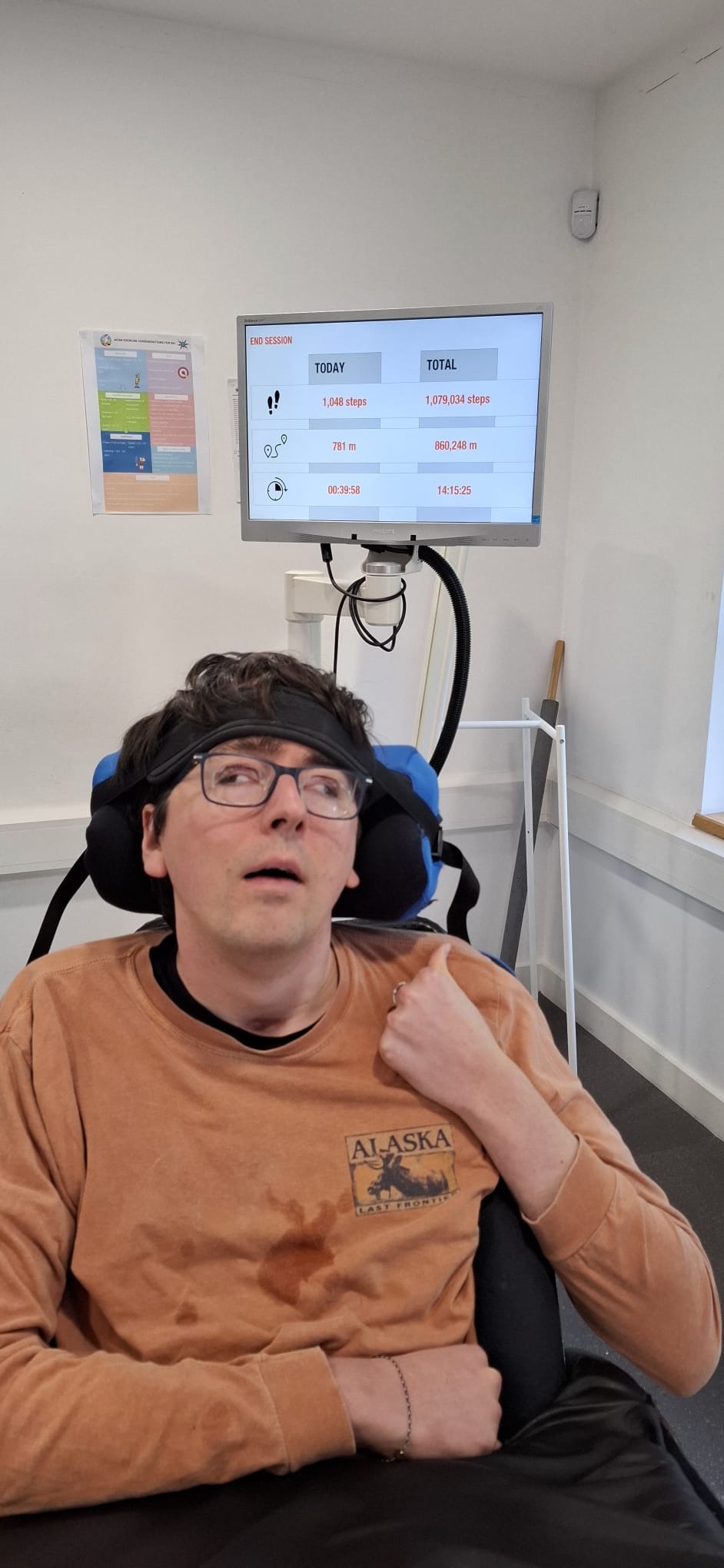
Pádraig is continuing to work hard with Kay Coombes and with the brilliant support from the extraordinary staff at the An Saol Foundation Centre in Santry. One of the current goals is to support the strengthening of is upper body, including his neck – sitting in an ordinary chair, not the wheelchair, with plenty of support from the front.

We continue celebrating life and living.

No better day for that than St Patrick’s Day. No better place for it than lovely Leitrim.

I have an ‘Alien Passport’ from my early days in Ireland. I still want to see the manager.

Someone needs to take charge. Some time soon.

Lá Fhéile Pádraig sona duit.

Sail, not tie at anchor.

Water always goes where it wants to go, and nothing, in the end, can stand against it. Water is patient. Dripping water wears away a stone.
Margaret Atwood

It took a bit of an effort but I got up early yesterday morning and went for a walk when the sun was about to rise. It was that time of the morning when it is no longer night but not day either. When the birds start singing but most people are still in bed.

It had rained during the night and the ground was still wet. There was a smell of damp in the air. Because it was not as cold as it used to be earlier in the week. I could see the first buds on the cherry blossoms. Spring is no longer just in the air.

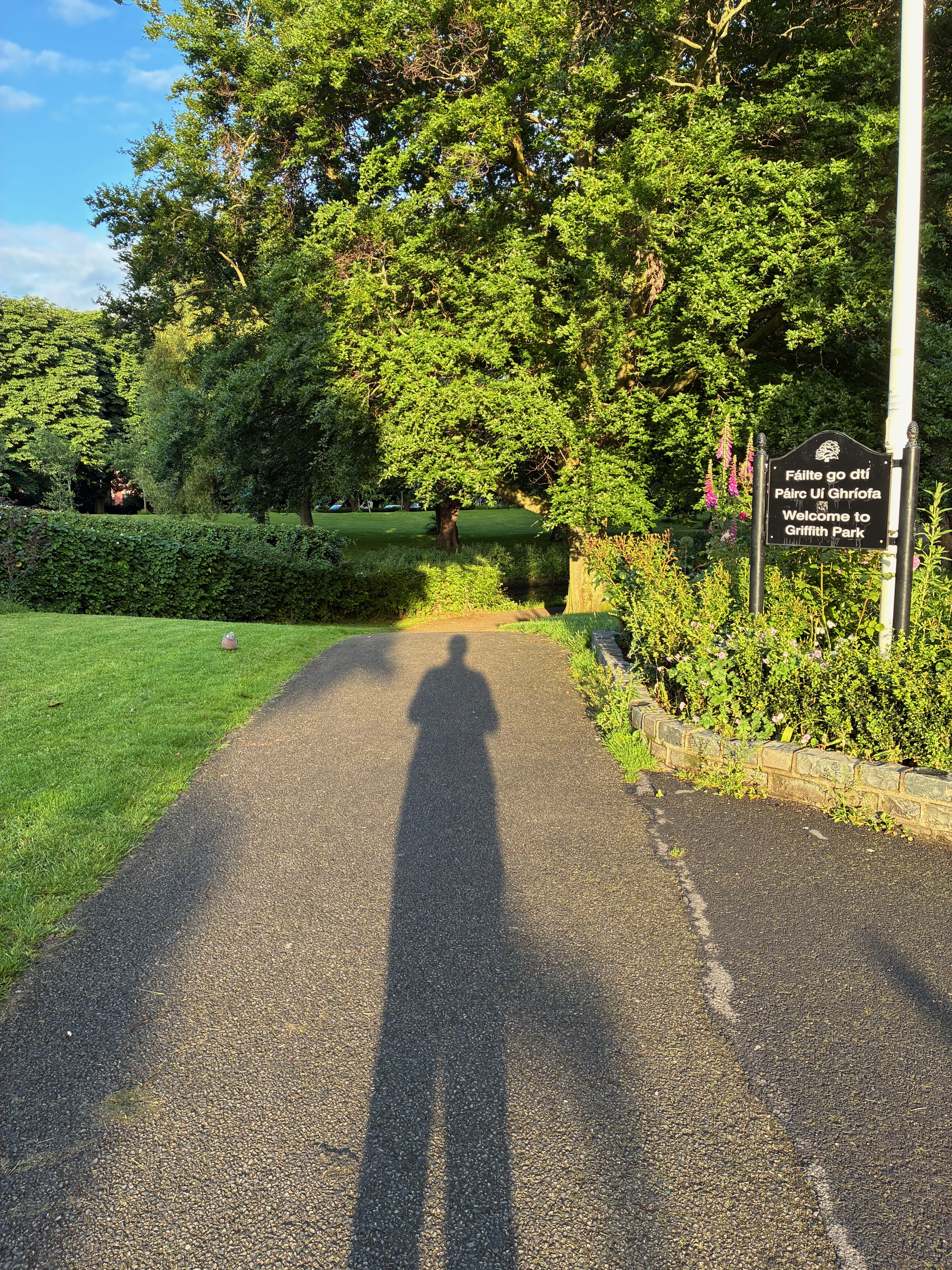
There is a walk I take down to Griffith Park, across a little foot bridge, through one of the pedestrian side gates that is newer locked, and along the Tolka River.

It might sound cheesy to say this, but I felt happy. Happy to be able to walk, breathe, hear the sound of the water, hear the birds singing, see nature coming back from winter into spring time, even the man with his little plastic trolley restocking supplies in the Tram Café beside the playground.

Whatever did it, all the misery of the world, all the troubles in my life, all the injustice, frustrations, and even that feeling of utter helplessness – it all disappeared.

For no reason, I was the happiest man in the world.

I was so happy that I promised myself to remember this moment, because I knew it wouldn’t last forever.

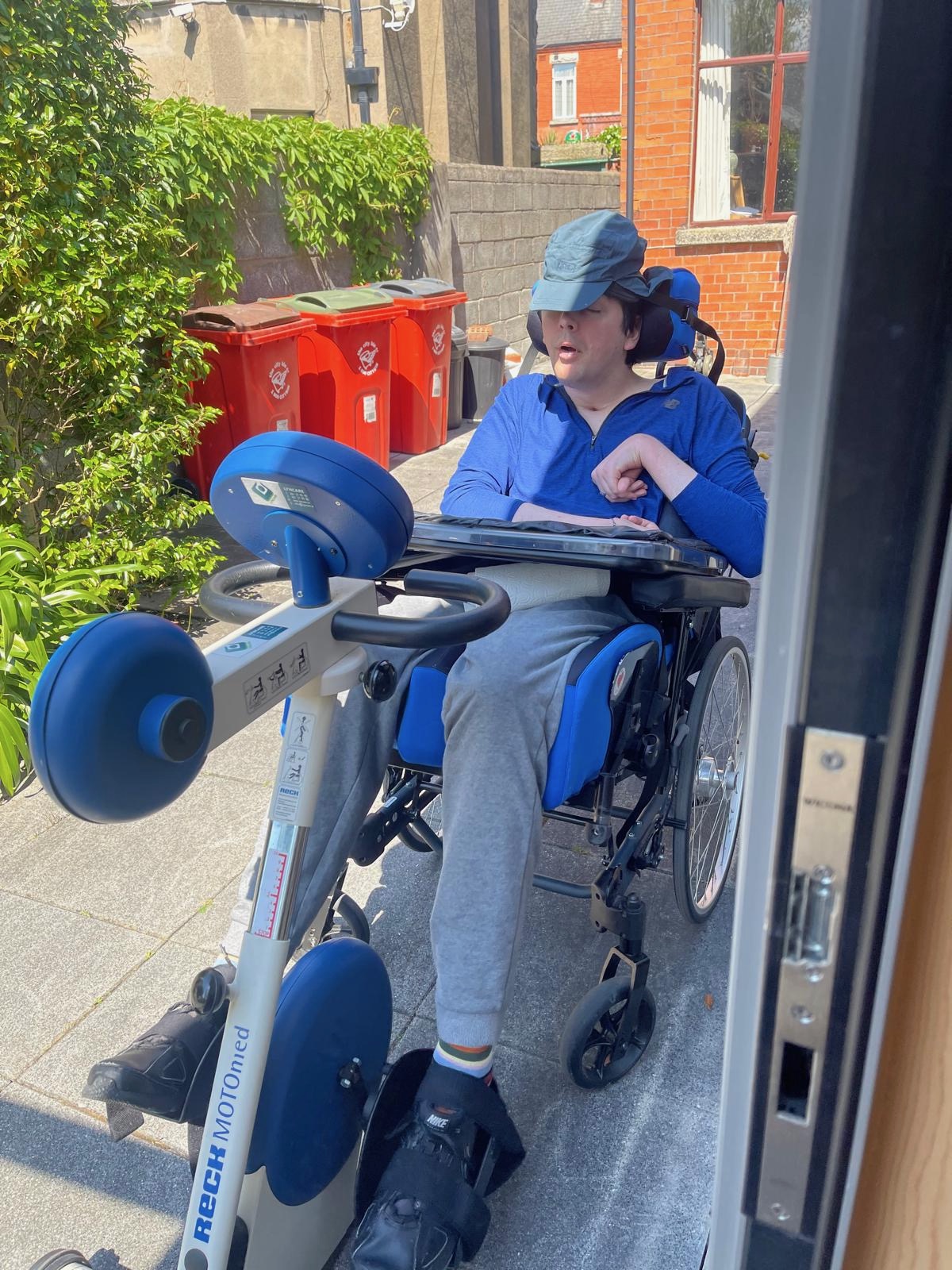
I wonder whether this is how Pádraig feels like sometimes? Really happy to be around people? Real happy to go to see his favourite musicians? Really happy to go for walks, go shopping, go to meet up with friends? Really happy to stand, stretch, cycle the MOTOmed? Really happy to have this massive impact on disability rights, on the incredible change he is inspiring on the health system? Really happy to be a game changer and a trailblazer?

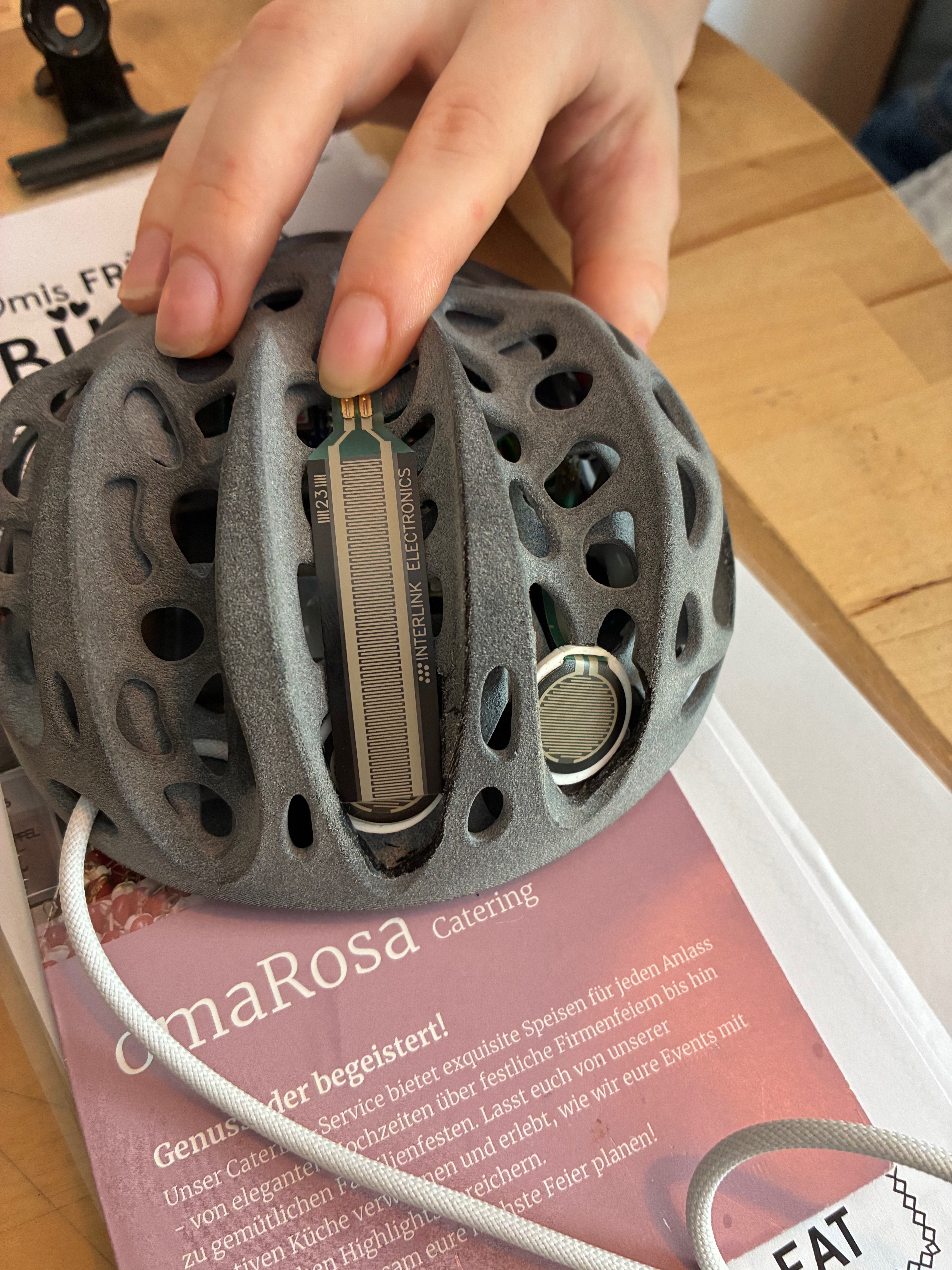
He has been practicing a new communications device he has on loan from SMARTBOX to try it out – with a view to buy it. He is using it with a G-Click which is “a special switch that uses a minature solid state gyroscope. It offers zero-force switch operation by detecting tiny amounts of tilt, and auto compensates for any accidental position changes from the user”. You get the gist. Graham Law, an engineer and the owner of Celtic Magic, used to build rockets. Now he builds some of the most sophisticated access devices in the world from his lab in the East Midlands of England.

Both Pádraig and Graham are like that water that will always go where it wants to go, and nothing, nothing in the world can stop it.

We must set sail. Sail, not tie at anchor. Sail, not drift, as Franklin D. Roosevelt said.

Which is when we will discover the most amazing things life and the world have to offer.

What a Surprise

The first method for estimating the intelligence of a ruler is to look at the men he has around him.
Niccolò Machiavelli, The Prince

When I travelled in Google-Land last week, I ‚met‘ Emma (13) who had been treated at Alder Hey for cerebral palsy. Alder Hey Children’s NHS Foundation Trust is one of Europe’s biggest and busiest children’s hospitals, where they treat everything from common illnesses to highly complex and specialist conditions.
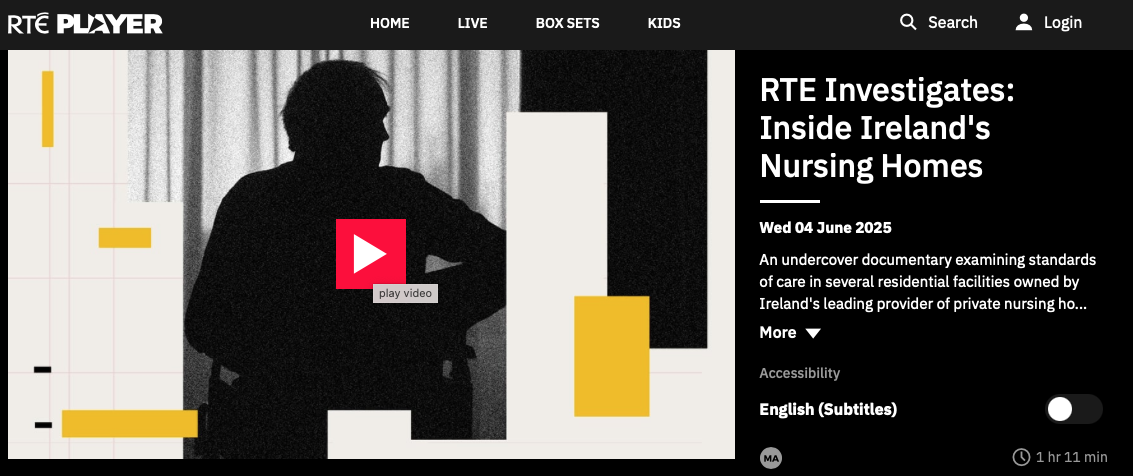
In these pictures from April 2022, she is holding one of the very first copies of Hospi-Tales, a book put together by Graphic Medicine team at Comics Youth who had spent a year visiting the wards with the aim of raising the confidence and voices of young people with lived experiences of acute, chronic or terminal physical and mental ill health and help them to tell their stories through the medium of comics.

The first thought that crossed my mind was: It took those guys 10 more years than it had taken me to come up with such a brilliant title! I must get it and check it out.


Pádraig’s week was busy as always and slightly more exciting as the average week.

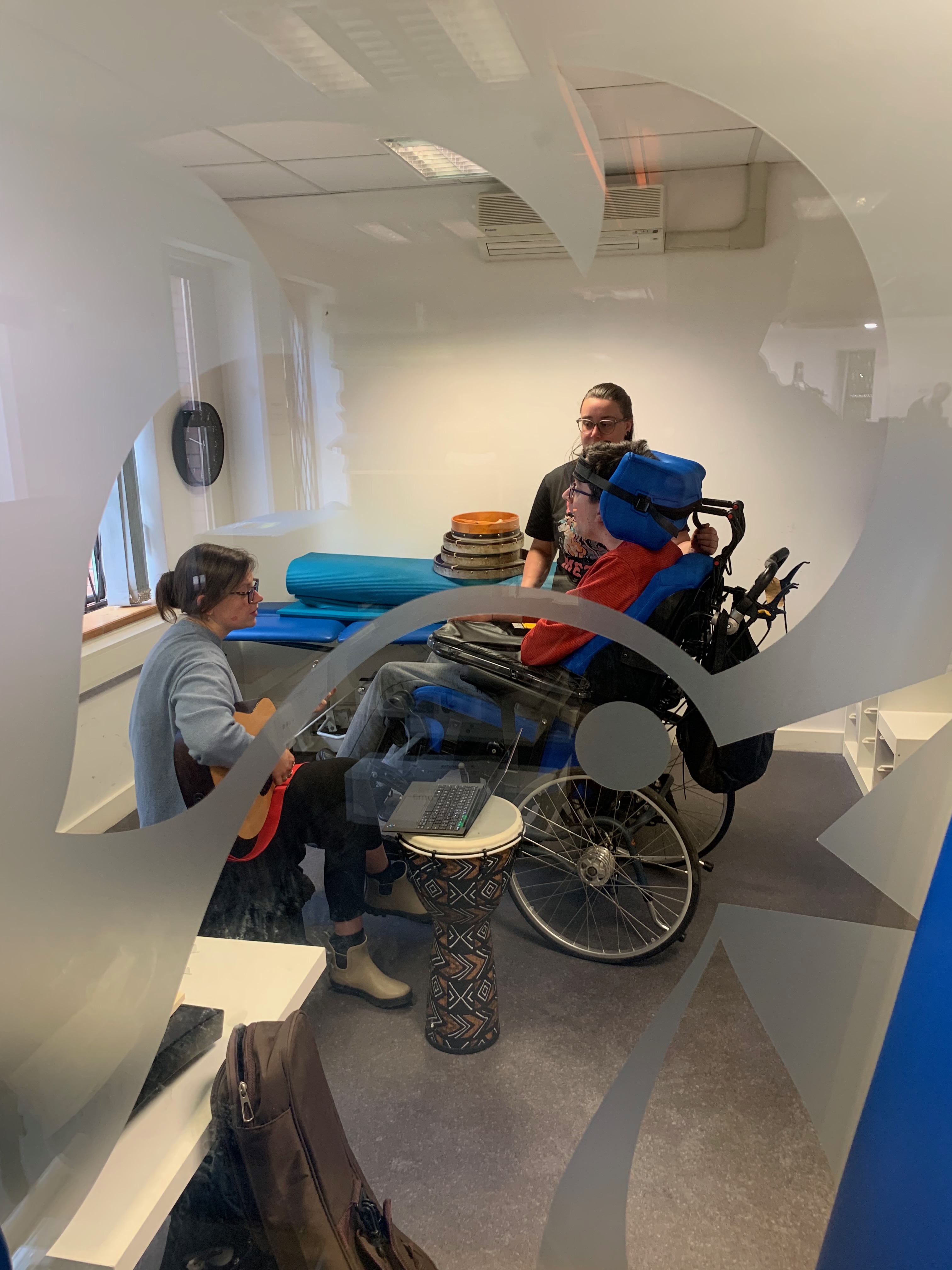
He had some visitors from UCD and Thomas Jefferson University who checked the music tech out with him again. He hadn’t had a session with the guys for some time. It was brilliant to see how Pádraig engaged using the bespoke access tool with the music, playing bells, drums, and the pipes – all via a synthesiser. He also took the opportunity to have another go at the Xbox in An Saol’s Gaming Room.

On Saturday morning, we all went to the Lighthouse Cinema to watch The Blue Road about Edna O’Brien’s life and times. The movie was produced by one of his friends, with Barbara Broccoli of James Bond fame being one of the executive producers.


It is a brilliant movie with fantastic original footage and many many incredibly interesting facts, opinions and views about Ireland’s most famous female writer. I learnt a lot of what would have been my formative years, had I been born in Ireland. And they weren’t pretty.

In the evening, Padraig went with one of his best friends to see Dara Ó Briain in Vicar Street. It was three years ago that the two of them went to a concert together in The Point, or the 3Arena as it is now known, to see Girls Aloud. That was the very first time that Pádraig had gone out with someone, totally on his own.

This was a milestone.

We were unsure whether it would all work out and were thinking ‘what if…’, not really being sure what that ‘if’ was. In the end there was none and both had a cracker of a night with a band that was pure fun. The night was the first of many in which Pádraig went out without us, without a carer – but with a friend.

We hadn’t bought tickets for last night’s gig but helped the two of them to get the wheelchair into the venue. When we were leaving, they guys at the door asked us if we would like to stay on for the show – “totally up to you”?

‘Sure, why not’, we said – and got two tickets up on the balcony, in the middle of the front row, about the same seats Michael D. had for the Irish Folk Awards earlier in the week. Upfront, in the distance, we could make out the two watching and listening Dara.

It was brilliant to be amongst people, seeing them, hearing them, feeling them, smelling them, shuffling with them up and down the narrow stairs and along the equally narrow corridors. Dipping our toes in something normal, something you’d do on a Saturday night.

There was no shortage of kind, generous, and caring people around. Pádraig would not have gone out without this brilliant Christmas present from his friend. We would have wandered the streets, waiting to pick the two up at the end of the concert, had it not been for the kindness of the lads in Vicar Street.

It was refreshing to experience an evening that was so different, because of kind people, to what seems to be going on in the rest of the world.


I can’t believe that I am quoting Machiavelli again. But these are changing times. So here is another quote by the famous man, just for a thought:

The first method for estimating the intelligence of a ruler is to look at the men he has around him. (Machiavelli)

Fake

“Hope is not about believing things will always get better, but about finding meaning no matter what happens.”
Byung-Chul Han

Last week was another step forward in Pádraig’s journey, marked by quiet progress, meaningful connections, and a reminder of the power of music.

A Night of Music at Iona Church

On Thursday, Pádraig attended a string quartet performance of Beatles music in Iona Church. The setting was intimate, the sound rich and layered, bringing a new depth to familiar melodies. The music wasn’t just something to listen to—it was something to experience, to feel. Watching him take it in, it was clear that moments like these matter, even if we can’t fully measure their impact.

Progress in the Everyday

Beyond the concert, the past week was filled with small but significant moments—responses during therapy, interactions that felt clearer, and a growing sense of engagement. These aren’t breakthroughs in the traditional sense, but as Byung-Chul Han suggests, hope isn’t always about radical change. It’s about recognizing meaning in what is, rather than waiting for what might be.

Moving Forward

There’s no roadmap for this kind of progress, no fixed milestones to measure against. But each week, in ways both seen and unseen, there is movement. And sometimes, just being present—whether at a concert, in therapy, or in everyday life—is enough.

Fake and Real

I hope you noticed that up to here there isn’t a word I wrote. Nor a picture I took.

I decided to give Chatgpt another go. And this is what it produced. Pretty scary stuff.

These two pictures of last week’s String Quartet Beatles Concert by Candlelight in Iona are real.

As was the magic of the evening.

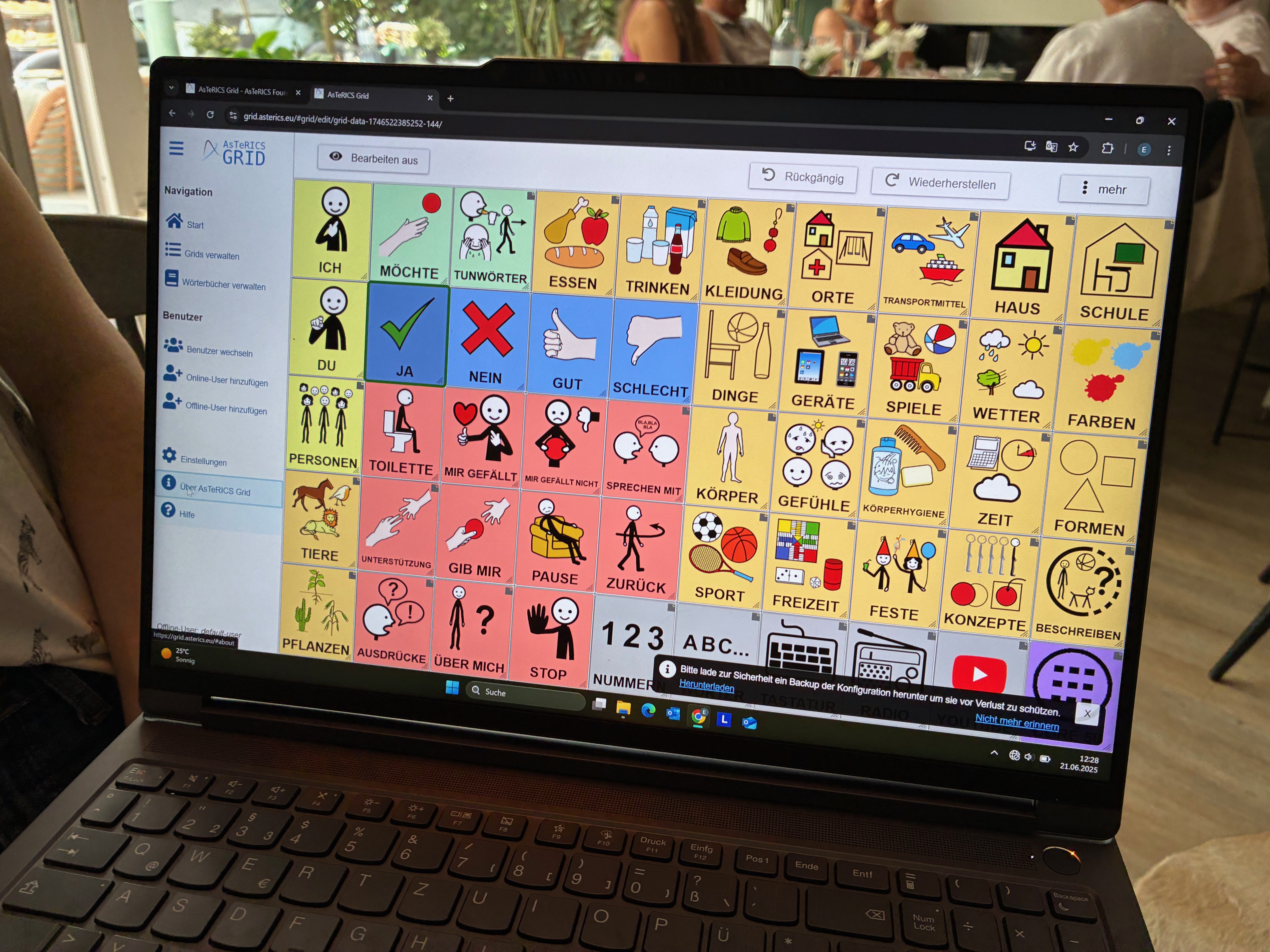
Smartbox sent over a trial device for Pádraig to work with. It is, basically, a fancy tablet, with a stand, a rucksack, keyboard and mouse, running software that helps with communication.

We’ll have it for about three weeks and will do our best to use it every day as often as possible. And then decide whether to buy it.

Upwards and onwards. And no more fake stuff.

But always finding meaning no matter what happens.

How to live in a mad world

It is my belief that in our mad world where there is so much pain, rivalry, hatred, violence, inequality, and oppression, it is people who are weak, rejected, marginalized, counted as useless, who can become a source of life and of salvation for us as individuals as well as for our world.
Jean Vanier

Someone the other day said to me that he thought we were living in a mad world. In a world, where the mad are the sane.

Tears For Fears sang in their 1982 hit Mad World:

All around me are familiar faces
Worn-out places, worn-out faces

Bright and early for their daily races
Going nowhere, going nowhere

And their tears are filling up their glasses
No expression, no expression

Hide my head, I want to drown my sorrow
No tomorrow, no tomorrow

I remember the early 1980s, the Cold War, the threat of nuclear annihilation, fear and uncertainty.

The recent past has confirmed that you just have to stay around long enough not just for your clothes to become fashionable again, but also for patterns in politics to repeat. Madness never dies out. When will they ever learn?

But there is a way to live, not just to survive, even under crazy circumstances. Even in a mad world.

The answer is not to be optimistic and think: it’ll all turn out well.

The answer is hope.

Where there is fear and despair, there is hope. The German, Korean born, philosopher Byung-Chul Han wrote in The Spirit of Hope:

Hope is definitely not the same thing as optimism. It is not the conviction that something will turn out well, but the certainty that something makes sense, regardless of how it turns out.

Ernst Bloch, another German philosopher, prior to Han wrote in The Principle of Hope:

The most tragic form of loss isn’t the loss of security; it’s the loss of the capacity to imagine that things could be different.


Last week, Pádraig’s fantastic practitioners challenged Pádraig to try out a couple of new things, some inspired by our good friend, the legendary Kay Coombes.

The first was to get out of the wheelchair and to sit on a normal chair.

We only noticed when we looked at the pictures that the back of the chair was upside down – because it is Pádraig’s lower, not his upper back, that needs support. Next time, he will sit on the chair with the back of it supporting his spine even better.

Next was straightening his back to sit up straight, followed by lifting up his head and turning it around while standing. It wasn’t the first time that he turned his head around by himself, but it was the first time I saw him lifting up his head so high as he was turning it.


What Pádraig is doing and what he stands for makes sense. Regardless of how it’ll turn out. He has the capacity to imagine that things could be different.

It is hope, above all, which gives him the strength to live and continually to try new things, even in conditions that seem as hopeless.

Would it be too much to say, like Jean Vanier, that it is people who are weak, rejected, marginalised, counted as useless, who can become a source of life and of salvation for us as individuals as well as for our world?

The Court Hearing and a CIA Field Manual

Nihil de nobis, sine nobis
Anon

A German court had appointed us as Pádraig’s legal Guardians who, with his consent, are entitled to look after his affairs. This week, we visited what must be one of Germany’s most beautiful Court House for a hearing with a judge whose duty it is to check in with Pádraig every seven years to make sure he is still ok with our appointment.

He was ok with that arrangement, the judge was happy, and when we departed we arranged to meet again in seven years time.

Nothing about us, without us apparently originated as a political principal in the early 1500s and only much later, in the 1990s became one of the central slogans of the disability rights movement. The United Nations used it in 2004 for its International Day of Persons with Disabilities and associated it with its Convention on the Rights of Persons with Disabilities (UNCRPD).

When Pádraig was discharged home from hospital in Ireland, the discharging consultant apparently had not heard about this right. Nor was he happy to recognise German Court Orders, following legal consultation – which seemed to have ignored both The Hague Convention and the Execution (Enforcement) rules by the Irish Court Service on the “Execution on foot of: Foreign judgments” which very explicitly allows for the enforcements of “judgments obtained anywhere in the European Union (‘foreign judgments’) in Ireland”.

Nothing about Pádraig without Pádraig.

Winter in the North of Germany is dark, cold, and mainly grey. We went out and about anyways. We went for walks, had a house visit by his German GP, and even organised our postal vote for the upcoming German general elections. We were assisted by a brilliant website, the Wahl-O-Mat, prepared by the Federal Centre for Political Education (Bundeszentrale für Politische Bildung) with the support of all political parties. They had answered questions about the main political topics on the agenda in Germany to help with the voters’ decision-making.

We went to one of our favourite Schnitzelrestaurant, admired the brilliant sign language interpreter place in the middle of the screen of the main evening news (not in a small corner of the screen and not in ‘special’ news for the deaf), and couldn’t believe the huge range of ashtrays still on sale in a German department store.

We went out to the North Sea, all wrapped up, – and discovered that even during winter time they charge access to the beach (and decided to give it a pass, walking along the dyke instead); and that even modern restaurants don’t have front doors wide enough for a wheelchairs (so we went through the back, only to discover that there were steps).


We heard that last week, a declassified World War II-era US Government guide to Simple Sabotage by “Strategic Services”, now the CIA, became one of the most popular open source books on the internet. The Simple Sabotage Field Manual describes ways to teach people to do their jobs badly.

It is now the 5th most-accessed book on Project Gutenberg, an open source repository of free and public domain ebooks. It is also the fifth most popular ebook on the site over the last 30 days, having been accessed nearly 60,000 times over the last month (just behind Romeo and Juliet), all according to Jason Koehler’s article Declassified CIA Guide to Sabotaging Fascism Is Suddenly Viral.

Jason says that it is impossible to say why this book is currently going viral at this moment in time and why it may feel particularly relevant to so many people.

Reading some parts of the manual made me smile. Almost laugh out loud.

Always go through channels, follow the “workflow” we would say nowadays. Talk at great length. Refer matters to committees. Bring up irrelevant matters, haggle over wording, reopen decisions already made, avoid haste, and be careful with decisions because they might conflict with the policy of some higher echelon.

Sounds familiar?

On more on one occasion have we been given lengthy and incomprehensible explanations, and were confronted with people who were most irritable and quarrelsome as possible without getting themselves into trouble.

It made me wonder whether the Department of Strategic Services, or now: the CIA, are aware of how successful their booklet from WW II had become over the decades and how far they managed to penetrate Western society.

Michelle, a sociologist, posted a comment saying: I’m having an uncomfortable moment of realization here because the sabotage tips are an uncannily accurate description of how higher ed admins behave towards professors…

I am nearly certain that many of us had one of these uncomfortable moments when reading the manual because it also seems to be an uncannily accurate description of what people, especially those with severe Acquired Brain Injuries, are at times faced with when they are looking for adequate support.

This could be really funny. If it didn’t have such serious implications for so many people.

I Can See Clearly Now

Gone are the dark clouds that had me blind.
Johnny Nash

There is a great version by the Hothouse Flowers, headed by Liam Ó Maonlaí, of I can See Clearly Now. Liam’s Alma Mater, Coláiste Eoin, is also Pádraig’s.

There isn’t a better song to capture what has been happening over the past weeks.

Here is the rainbow I’ve been prayin’ for
It’s gonna be a bright (bright), bright (bright)
Sun-shiny day

The incredibly thorough international collaboration, originally started by a German Neurologist and Rehab Consultant, followed up by U.K.-based communications specialists, by spec manufacturers, and finally delivered by Ireland’s top opticians, practically gave Pádraig back his eyesight. He can now see the world around him again with open eyes. With the new glasses, he can do that over longer periods of time. They are also much easier to put on than the previous pair he had.

If you want to find out more about Pádraig’s glasses, the amazing people who put us in touch with the best manufacturers and opticians you could possible find, have a look at this video.

There are brighter day coming, not just with yesterday’s Lá Fhéile Bríde and the beginning of the Celtic Spring time bringing longer stretches in the evening.

If there are obstacles, and there will be plenty of them, at least can them see all in his way.
Gone are the dark clouds that had him blind.

Impossible Gibt’s Nicht

Oh Jerry, don’t let’s ask for the  moon; we have the stars.
Bette Davies in: Now Voyager

There is this scene in A Complete Unknown when Bob simultaneously lights two cigarettes and shares one with his girlfriend Sylvie Russo (who, in real life, was called Suze Rotolo). Or did she lit the two cigarettes and shared one with Bob? In any case, the scene brought back long forgotten memories. Like many older ex-smokers this is something I remember having done more than once. The scene also includes a quote from Now Voyager, in which Bette Davies invites Paul Henreid to share the stars, rather than being bothered too much about the moon. There are those who consider this to be one of the most romantic and sob inducing cinema moments of all times.

How many times can a man turn his head and pretend that he just doesn’t see?

What you wish for doesn’t have to be what is “in your face”, the nearest, the brightest, and the biggest.

Perhaps it is those far-away tiny little sparkling mysterious stars way beyond that big auld moon that hold your dreams and hopes.

How many ears must one man have before he can hear people cry?

There have been no massive in-your-face improvements in Pádraig’s condition. But there are “little” star moments when they shine extra-bright, bringing incredible joy and hope to us all. When it seems that some of our dreams are coming true.

Last week, we had two of those.

The first one was when Pádraig did some fantastic exercise in An Saol. He was half upright on a tilt table and the physio he was working with asked him to allow himself to slide down by lifting up his knees. That worked fine. Hard, but not too special and not new. But when I expected the physio to ask him to push himself up again, the physio asked him to come down a bit more. And then: to hold himself in that position. Now this was hard and very special. Pádraig managed this pretty complex exercise to perfection. And on 3-2-1, he pushed himself back up completely, without hesitation, when he was asked.

There are a dozen things happening here that had not been part of the plan of the Cape Cod-based consultant who predicted an “intolerable life” for Pádraig following his accident. Yes, the one who, in open daylight and full knowledge of his colleges, repeatedly recommended organ donation to us. They even happened to have an organ donation team waiting for us in the hospital canteen.

Would he now have second thoughts if he saw Pádraig?

How many deaths will it take ’til he knows that too many people have died? 

Pádraig didn’t stop there.

What we saw next brought untold happiness to our hearts and tears to my eyes. Despite it being the most normal, every-day thing that each of us do all the time. Or, maybe, because it was (or should be) such an every-day thing.

We had bought a packet of “Luftis” in Germany. Just corn, oil, and salt – they’re large, like chips, very crisp, light, easy to grip and get into your mouth. They don’t taste spectacularly well but provide you with an immense amount of satisfaction. Especially if you manage to pick them up and stick them into your mouth all by yourself, without any help. As Pádraig did last week.

Let’s stop turning our heads pretending we just didn’t see. We can hear people crying if we open our ears. Too many people have died. We know. Enough is enough.

There is no impossible. Sometimes the answer is not blowin’ in the wind. Sometimes you don’t have to wish for the moon because you’ve got the stars. (Even if you are in the gutter.)

Do It

Ná habair é déan é
Anon

We’ve had had this fridge magnet on our oven (!) for nearly two decades and only yesterday did I figure out what it said.

It’s a slogan used by several campaigns. On one website it was labelled as “the rallying call for social, cultural and political change”.

I got a sweatshirt as a present recently saying –

– and I liked the idea of living without limits, of standing tall in the wind, of facing the waves of adversity, with no horizon too distant, no ocean too deep, daring to go where others can’t follow.

Until I came across a quote by Confucius who said, ‘To go beyond is as wrong as to fall short’.

So, yes: pushing the boundaries is good. Going where others can’t follow, not. Neither is to fall short. That is if you want to affect change.

We need social, cultural, and political change to make this world a better place. But we can only do this if we bring others with us. If we go places where others can follow.

And it is not sufficient to talk about it. We have to do it.

On Wednesday of last week, a 162-page Programme for Government of Ireland over the coming five years was published.

According to Christina Finn, writing in The Journal on Thursday, the word ‘continue’ is in the document 249 times, ‘explore’ is in there 34 times, ‘review’ is mentioned 126 times, ‘examine’ is contained in the document 86 times while ‘consider’ is mentioned 56 and ‘assess’ 27 times. 

Ná habair é déan é.

Finally, if you have a few minutes, this article, published in the New York Times last week, is worth reading: The Terrifying Realization That an Unresponsive Patient Is Still in There by Daniela J. Lamas, a pulmonary and critical care physician at Brigham and Women’s Hospital in Boston. She writes that

A provocative large study published last year in The New England Journal of Medicine suggests that at least one-fourth of people who appear unresponsive actually are conscious enough to understand language. As a doctor who sometimes sees patients like this, these findings are, in a word, terrifying.

Studies like this raise the possibility that there are tens of thousands of men and women locked inside their minds, isolated to a degree I cannot even imagine. They are voiceless and largely invisible, with some of them being cared for in nursing facilities.

Now that we know this, how can we ignore this horror?

Now that the An Saol Foundation has shown what can be done, how can the State not sufficiently support it?

We don’t have to go beyond. Just act on what we know. This horror has to end.

Ná habair é déan é.