

Human misery is too great for men to do without faith.
Heinrich Heine
It’s that time of the year again. We are on our way to the Vaterland’s North-by-Northwest. Only that ours is not “a fantasy”, like Hitchcock noted in an interview with director Peter Bogdanovich in 1963 about his place. Ours is a very real place.
Just getting there is a bit involved. A ferry to Holyhead, a drive across England, another (night) ferry to Rotterdam, a drive into Germany, overnight, and another drive up North towards Denmark.
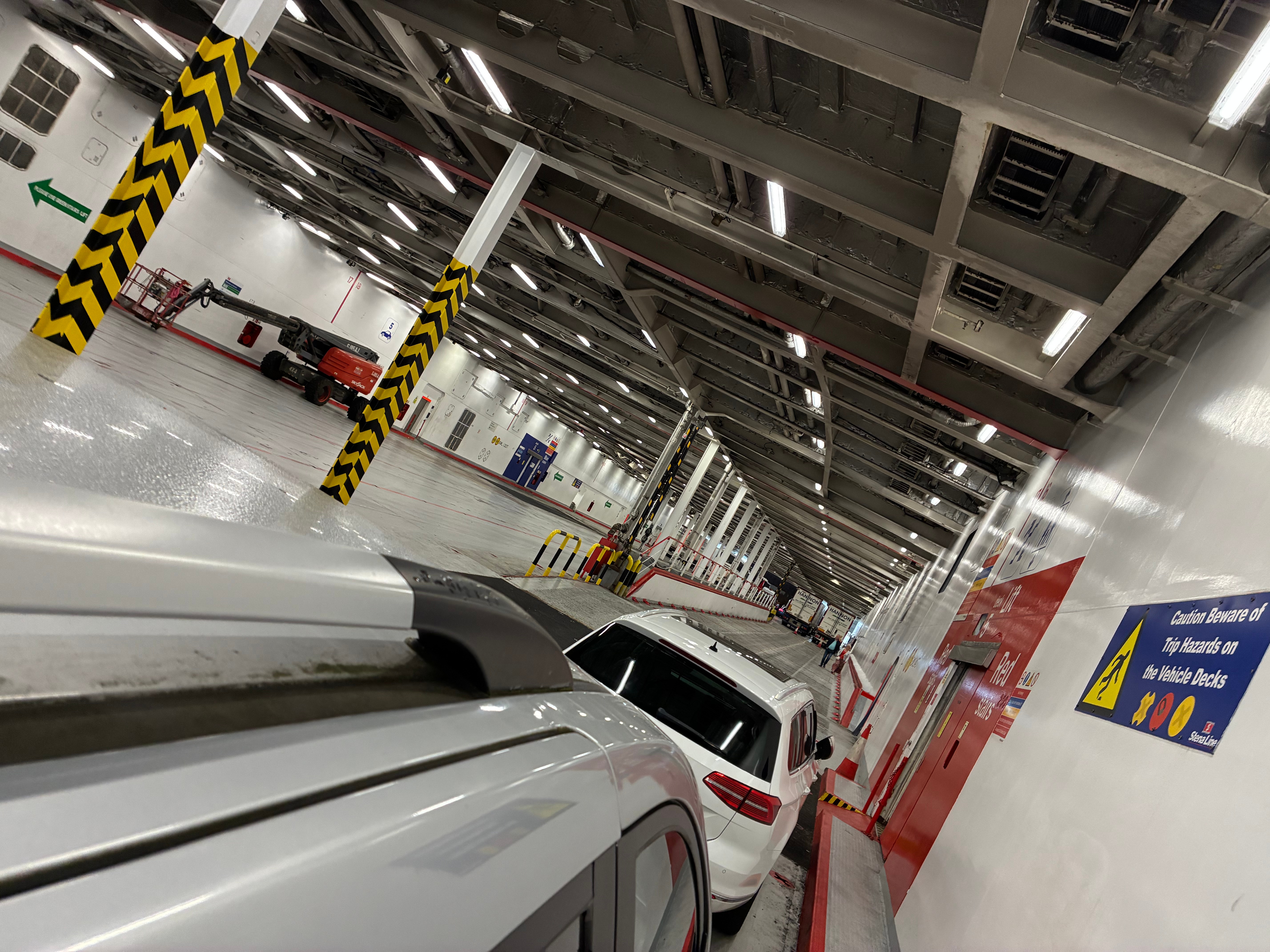
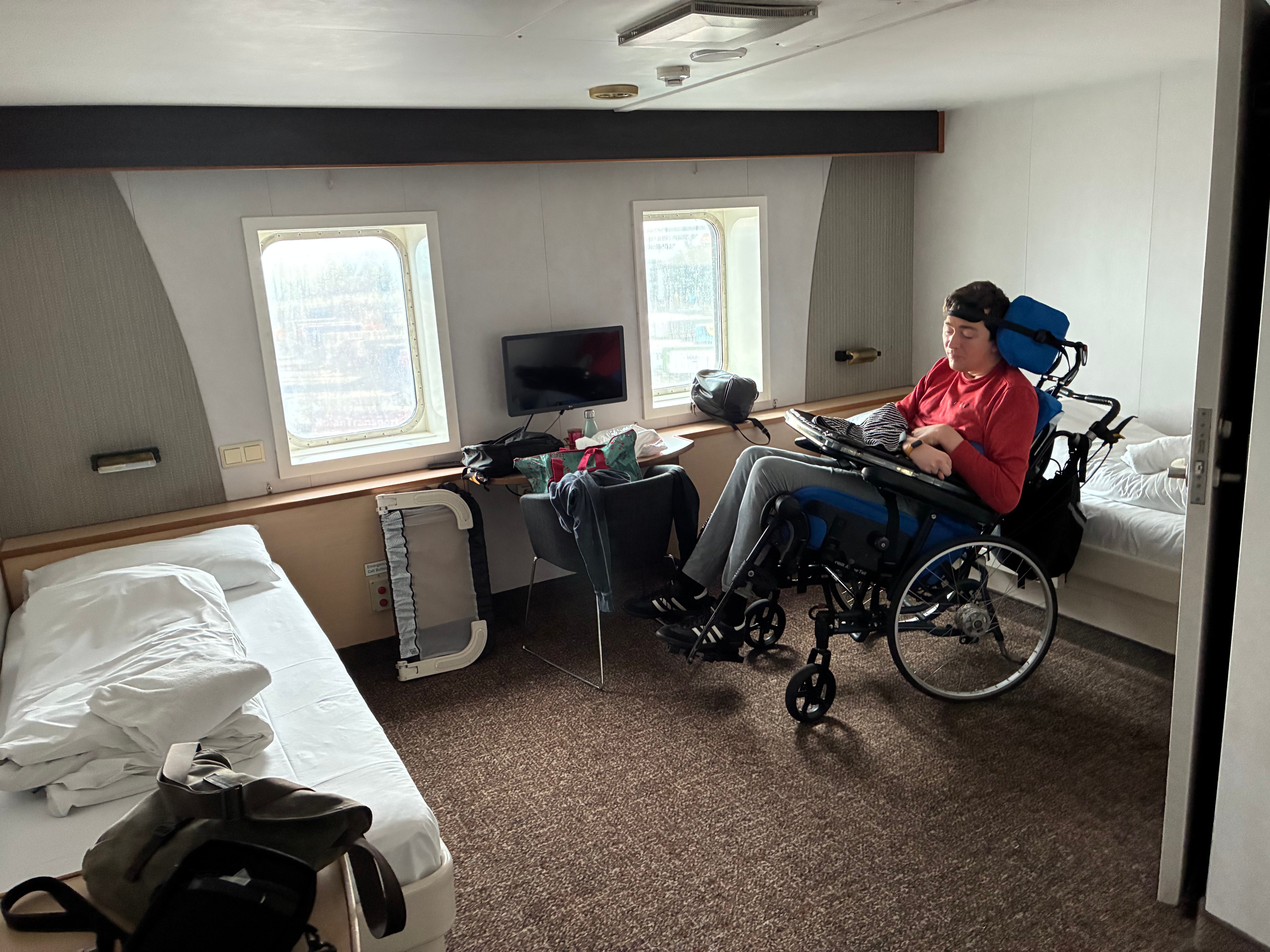
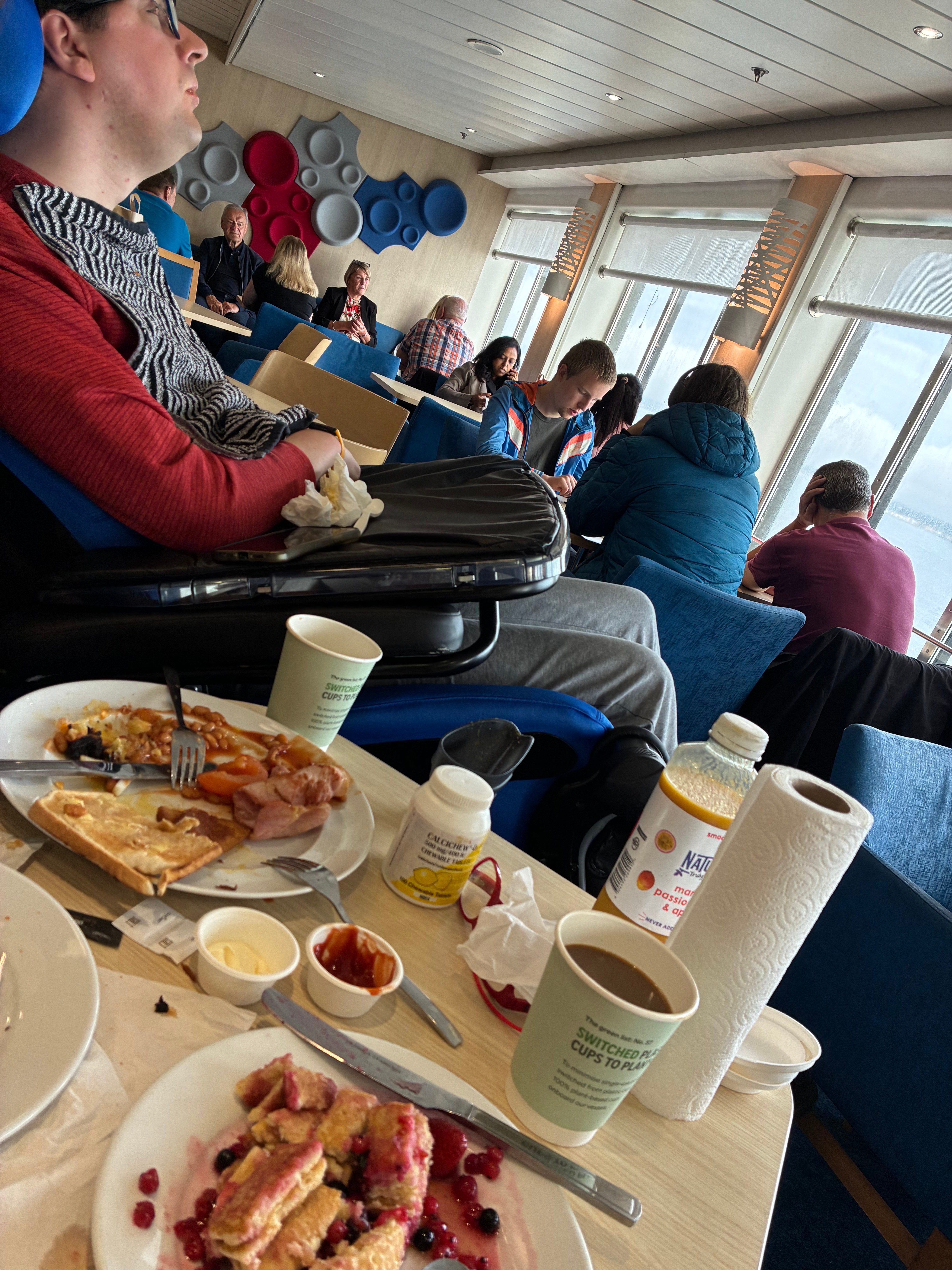



We enjoy this trip. We take it easy. Taste different food and drinks. Air. Rain. Sun. People. Languages. Cultures. Sounds.
Last week I read, for the third time, an article from the May/June edition of The Atlantic, called THE MOTHER WHO NEVER STOPPED BELIEVING HER SON WAS STILL THERE, about what happened to Eve Baer’s sone Ian. The most important lesson from Eve’s, Ian’s, and their family’s experience is that for their family, this is “not a sad story” but one of “enduring love and human connection“.
A lesson for bureaucrats.
Not everybody can be cured. But everyone can heal. Everyone can live their lives with dignity, respect, fun, inclusion, equality, participation. With the right support.
A lesson for physicians.
We’ll get to the North on Monday. I’ll be back on Tuesday to meet Bernard Gloster in An Saol on Wednesday. Back on Thursday.
Much of human misery is manmade.
It can be changed by man.
Hope is praying for rain, but faith is bringing an umbrella.
I don’t just have hope, I know and have the faith that the rain will come.
 Hospi-Tales