

Nihil de nobis, sine nobis
Anon
A German court had appointed us as Pádraig’s legal Guardians who, with his consent, are entitled to look after his affairs. This week, we visited what must be one of Germany’s most beautiful Court House for a hearing with a judge whose duty it is to check in with Pádraig every seven years to make sure he is still ok with our appointment.
He was ok with that arrangement, the judge was happy, and when we departed we arranged to meet again in seven years time.
Nothing about us, without us apparently originated as a political principal in the early 1500s and only much later, in the 1990s became one of the central slogans of the disability rights movement. The United Nations used it in 2004 for its International Day of Persons with Disabilities and associated it with its Convention on the Rights of Persons with Disabilities (UNCRPD).
When Pádraig was discharged home from hospital in Ireland, the discharging consultant apparently had not heard about this right. Nor was he happy to recognise German Court Orders, following legal consultation – which seemed to have ignored both The Hague Convention and the Execution (Enforcement) rules by the Irish Court Service on the “Execution on foot of: Foreign judgments” which very explicitly allows for the enforcements of “judgments obtained anywhere in the European Union (‘foreign judgments’) in Ireland”.
Nothing about Pádraig without Pádraig.
Winter in the North of Germany is dark, cold, and mainly grey. We went out and about anyways. We went for walks, had a house visit by his German GP, and even organised our postal vote for the upcoming German general elections. We were assisted by a brilliant website, the Wahl-O-Mat, prepared by the Federal Centre for Political Education (Bundeszentrale für Politische Bildung) with the support of all political parties. They had answered questions about the main political topics on the agenda in Germany to help with the voters’ decision-making.

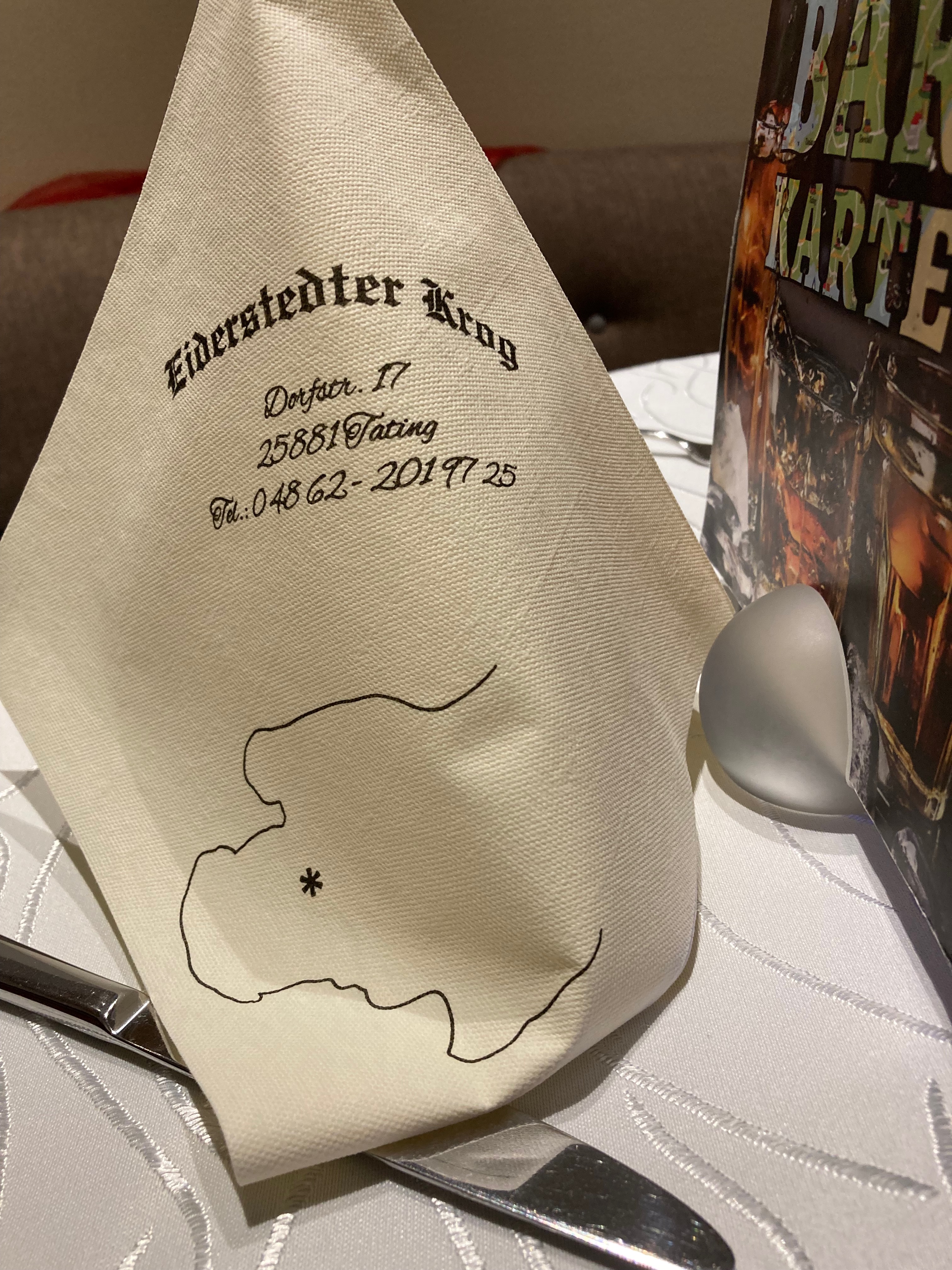

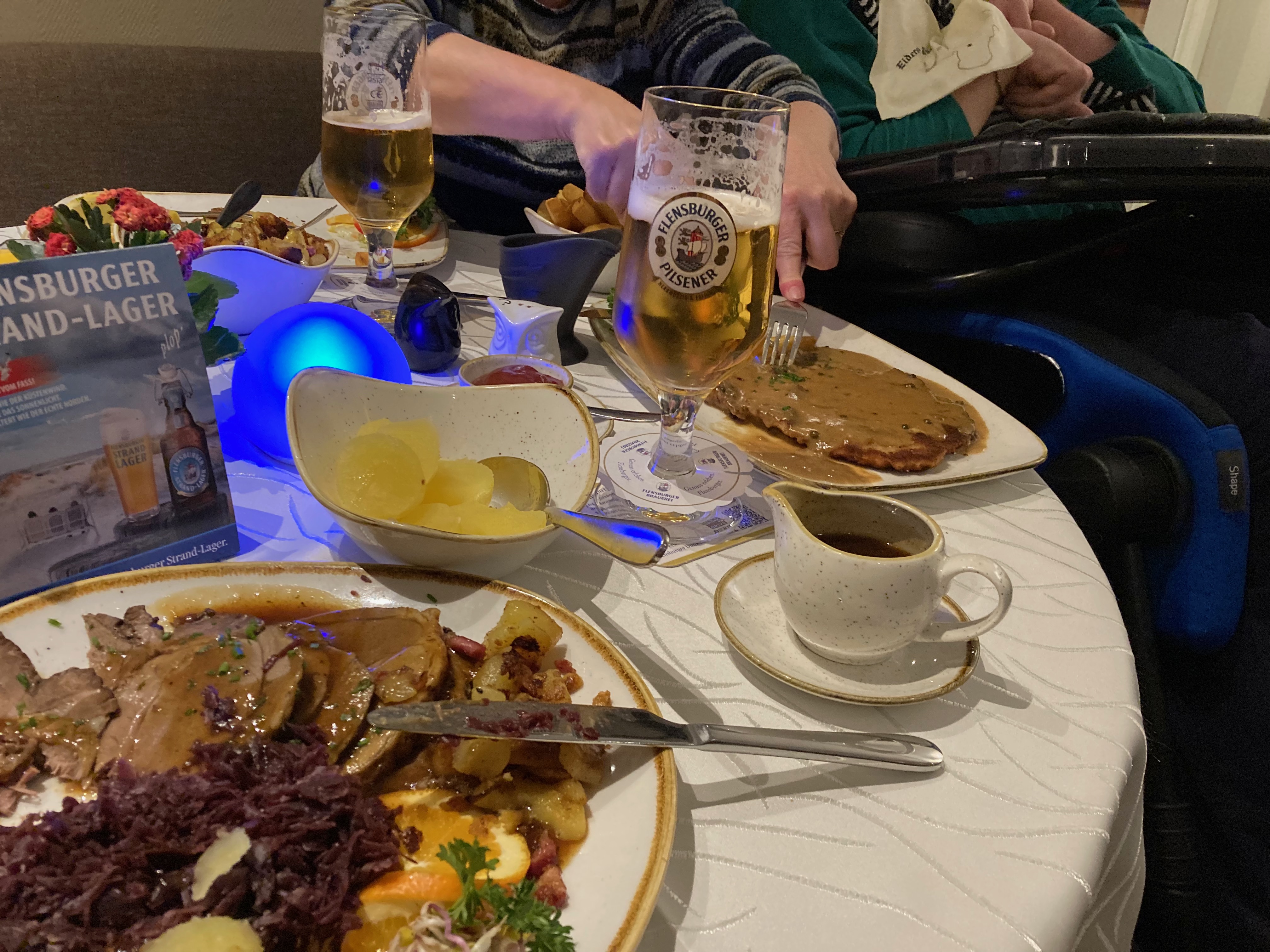


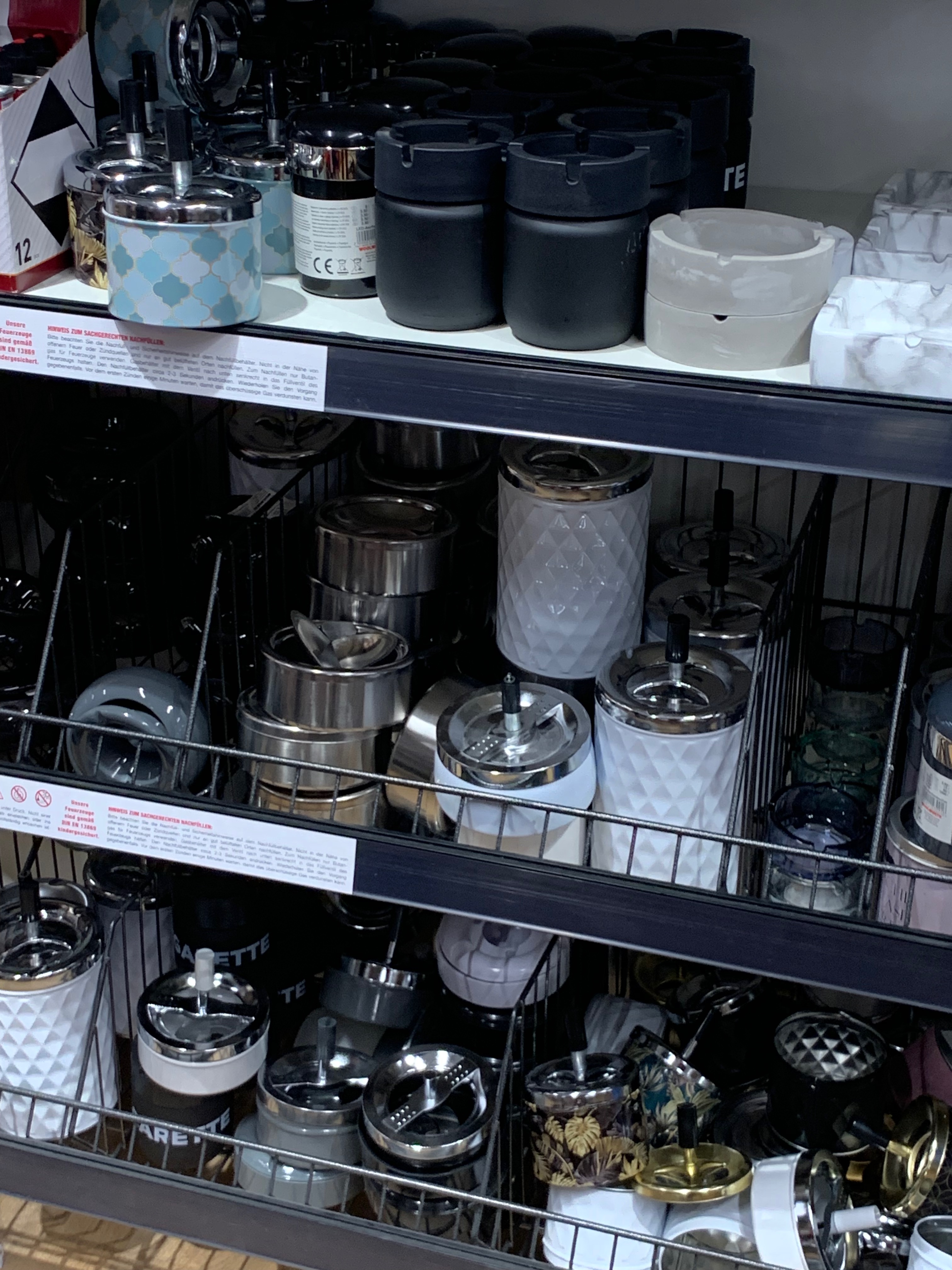
We went to one of our favourite Schnitzelrestaurant, admired the brilliant sign language interpreter place in the middle of the screen of the main evening news (not in a small corner of the screen and not in ‘special’ news for the deaf), and couldn’t believe the huge range of ashtrays still on sale in a German department store.
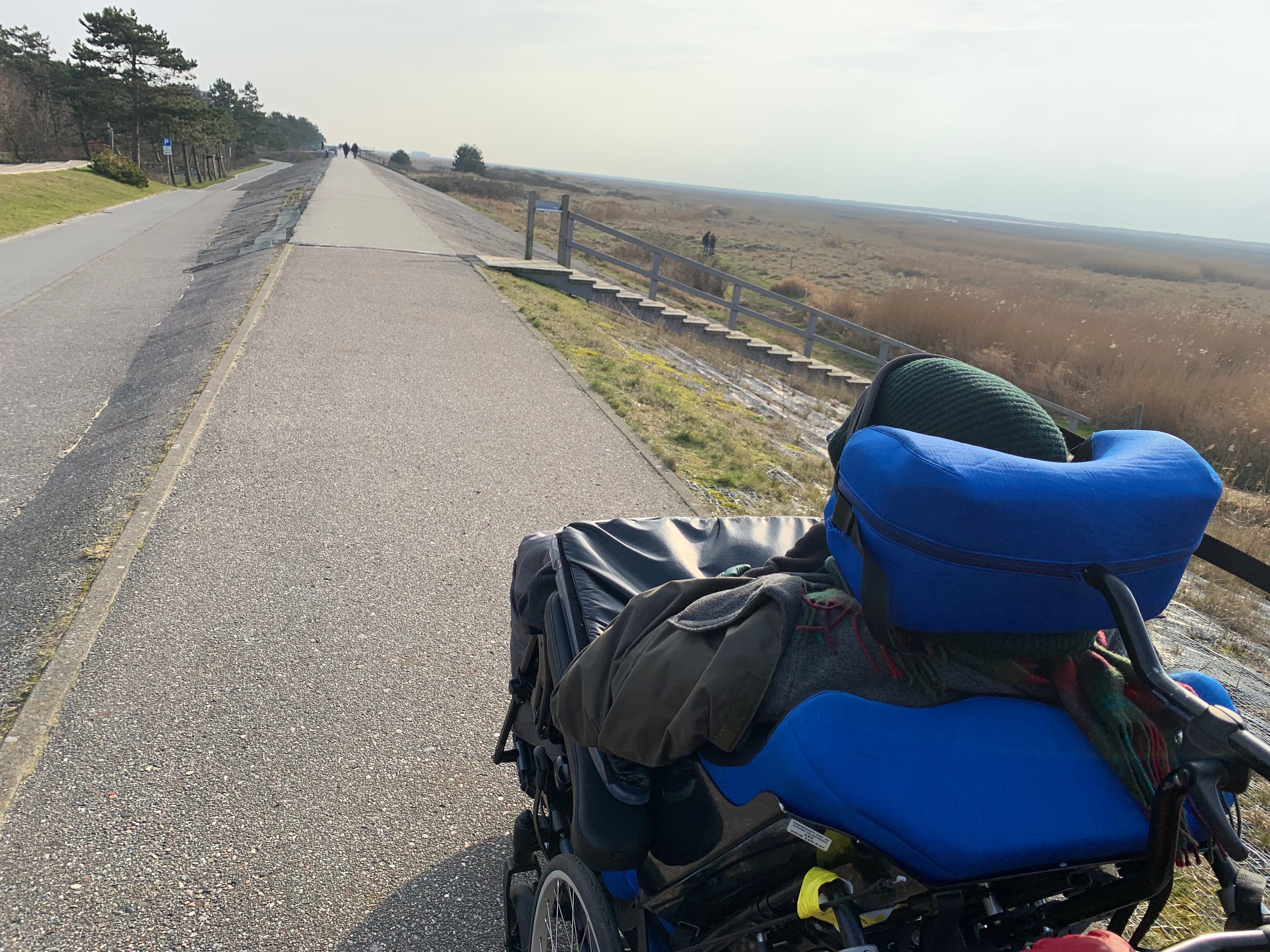
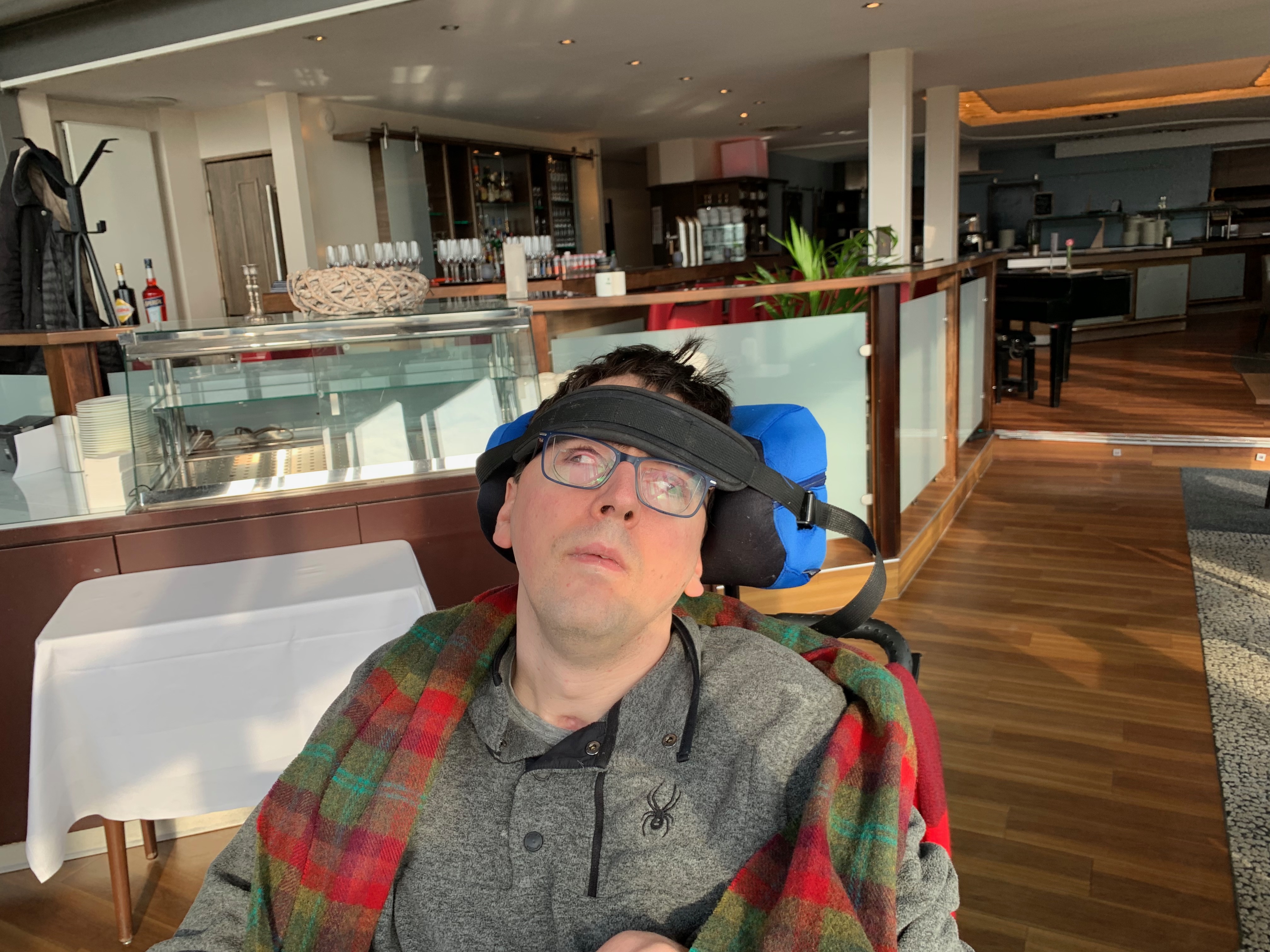
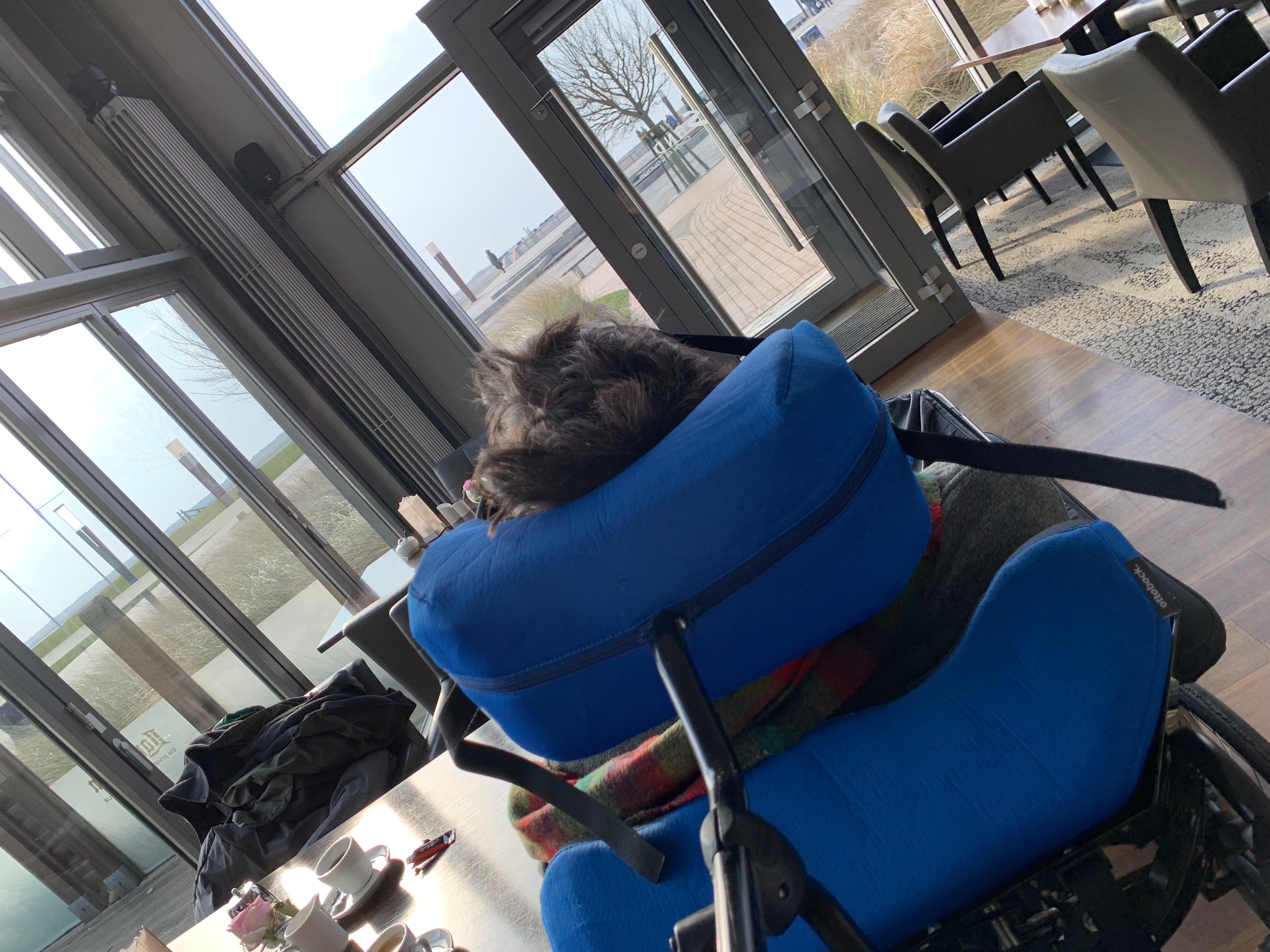
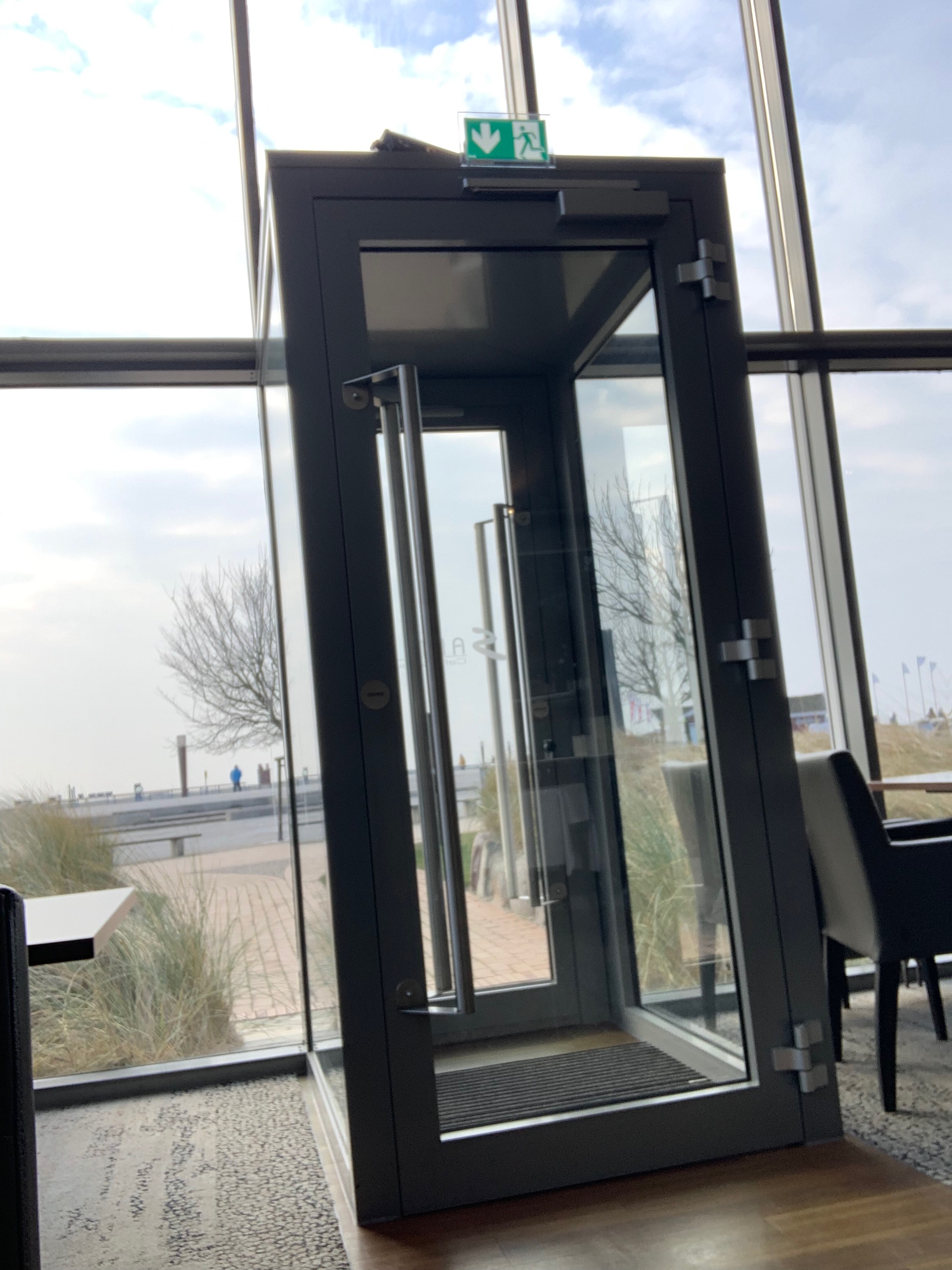
We went out to the North Sea, all wrapped up, – and discovered that even during winter time they charge access to the beach (and decided to give it a pass, walking along the dyke instead); and that even modern restaurants don’t have front doors wide enough for a wheelchairs (so we went through the back, only to discover that there were steps).







We heard that last week, a declassified World War II-era US Government guide to Simple Sabotage by “Strategic Services”, now the CIA, became one of the most popular open source books on the internet. The Simple Sabotage Field Manual describes ways to teach people to do their jobs badly.
It is now the 5th most-accessed book on Project Gutenberg, an open source repository of free and public domain ebooks. It is also the fifth most popular ebook on the site over the last 30 days, having been accessed nearly 60,000 times over the last month (just behind Romeo and Juliet), all according to Jason Koehler’s article Declassified CIA Guide to Sabotaging Fascism Is Suddenly Viral.
Jason says that it is impossible to say why this book is currently going viral at this moment in time and why it may feel particularly relevant to so many people.
Reading some parts of the manual made me smile. Almost laugh out loud.
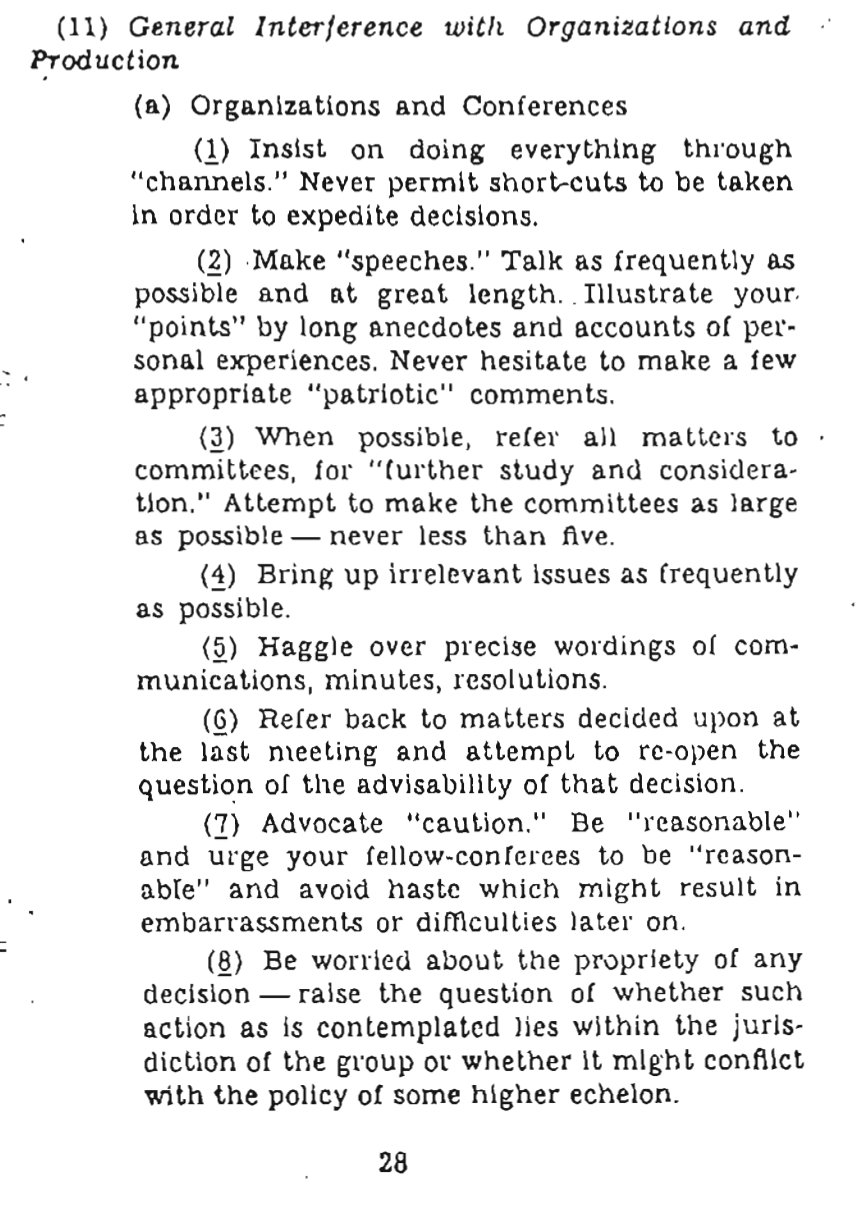
Always go through channels, follow the “workflow” we would say nowadays. Talk at great length. Refer matters to committees. Bring up irrelevant matters, haggle over wording, reopen decisions already made, avoid haste, and be careful with decisions because they might conflict with the policy of some higher echelon.
Sounds familiar?
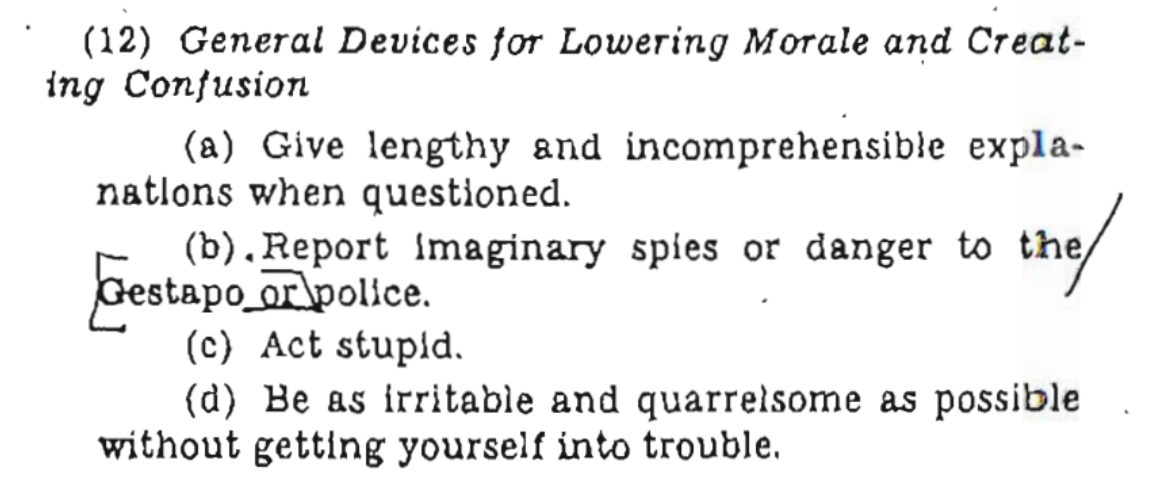
On more on one occasion have we been given lengthy and incomprehensible explanations, and were confronted with people who were most irritable and quarrelsome as possible without getting themselves into trouble.
It made me wonder whether the Department of Strategic Services, or now: the CIA, are aware of how successful their booklet from WW II had become over the decades and how far they managed to penetrate Western society.
Michelle, a sociologist, posted a comment saying: I’m having an uncomfortable moment of realization here because the sabotage tips are an uncannily accurate description of how higher ed admins behave towards professors…
I am nearly certain that many of us had one of these uncomfortable moments when reading the manual because it also seems to be an uncannily accurate description of what people, especially those with severe Acquired Brain Injuries, are at times faced with when they are looking for adequate support.
This could be really funny. If it didn’t have such serious implications for so many people.
 Hospi-Tales
Absolutely wonderful! Thank God for all who cooperated in everything involved in producing these fantastic glasses for Padraig. And a special bow for Helen Carroll, optician. I will definitely contact her to express my acknowledgment and appreciation of her participation in this superb project. Warm wishes to Padraig and you and Pat too Rheinard.🌟
Thank you so much for your kind comments, Raphael. Helen certainly is an exceptional optician and will be so happy to hear from you!